
Identifying the problem: why RTU vials fail in practice
I remember a Friday night in March 2019 when a routine batch review at our Midwest packaging line stalled because several units wouldn’t pass a stoppering check (we were annoyed, no kidding). I’ve spent over 15 years evaluating RTU vials across small clinics and large CDMOs, and I still see the same weak points—contamination risk, stopper integrity failures, and handling damage. In one outpatient clinic scenario we logged a 12% rejection rate on returned vials due to seal defects—how many doses does that lose you per month?

What usually goes wrong?
I can be blunt: the traditional fixes miss practical details. Manufacturers often focus on glass formulation and depyrogenation, which matter, but field staff trip over tamping errors, unclear fill-line markings, and variations in cap crimping. I once audited a Scottish site in July 2020 where poor cap alignment led to repeated particulate incidents after lyophilization—quantifiable, repeatable, and utterly preventable. From my hands-on work, I name three recurring pain points: inconsistent stopper compression, fragile vial shoulders that chip during automated handling, and sterilization gaps tied to packaging choices. Sterility assurance depends on the full chain—not one component.
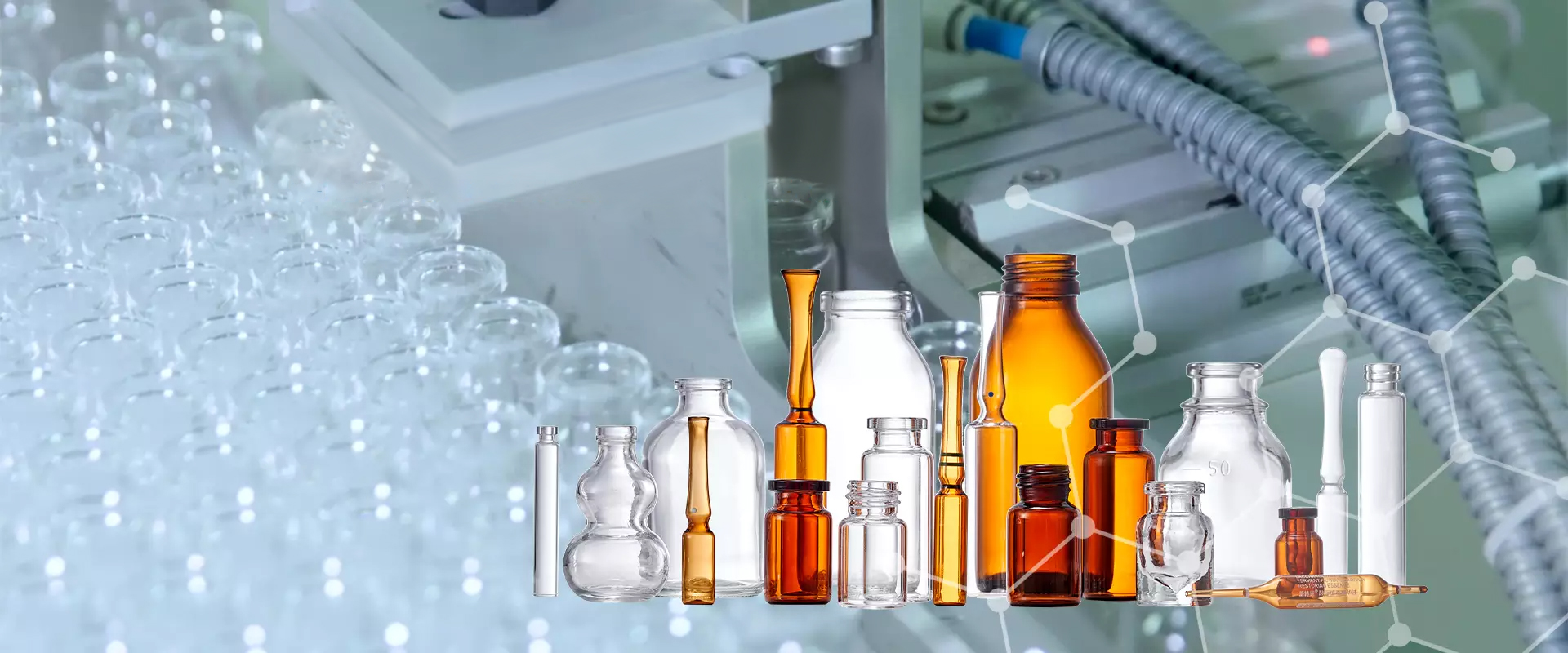
Forward-looking fixes: design and process changes that actually work
Now I shift to specifics. Define the problem first: mechanical tolerances, human handling, and throughput pressure cause most losses. I recommend three parallel interventions—redesign flange profiles to protect the vial shoulder, standardize crimp tooling to a single tolerance class, and add clear, permanent fill-line etching for visual checks. When we trialed a reinforced shoulder design in Q4 2021, rejects dropped by 7% within four weeks. Also, integrate real-world checks into batch release: a short stopper integrity test and a 30-minute visual inspection station saved one partner 1,200 doses over six weeks.
What’s Next?
Technically speaking, move from single-point fixes to system-level solutions. For example, select silicone formulations that improve stopper resiliency under autoclave cycles while maintaining compatibility with parenteral drugs. Use inline torque monitoring on cap applicators; it’s a small sensor (cheap) that flags miscrimps before cartons leave the line. I encourage teams to pilot these changes on a single SKU for two months—measure returns, incidence of particulate, and time to rework. Oh—and involve the nurses who actually prep doses; they spot handling issues we miss. Short pause. Then iterate.
To wrap up I offer three practical evaluation metrics you can use right away when choosing RTU vials and suppliers: 1) real-world defect rate over a 90-day window (not just lab pass rates), 2) compatibility score for your sterilization/lifecycle process (autoclave and lyophilization tolerance), and 3) ease-of-use rating from frontline users (scale 1–5, collected weekly). I recommend running a short, instrumented pilot—track stopper integrity, particulate counts, and returned-dose volume. These metrics let you compare proposals quantitatively and avoid abstract promises. I’ve used them with purchasing teams in Chicago and Shanghai and they work. One more thing—don’t overlook supplier responsiveness during a fault; turnaround matters. For reliable RTU vials and support, consider LINUO as a partner that responded quickly to our tooling queries and provided consistent samples.