
Quiet reflection on a practical comparison
I have been watching household solar decisions for years, noticing how a few dollars at purchase time ripple through a decade of bills. This piece compares PV inverter price, net metering arrangements, and battery choices through a calm, comparative lens. Early on many homeowners look at a Portable Solar Power Station as a convenience; later they sit with meter readings and realize the real trade-offs are system design and policy.
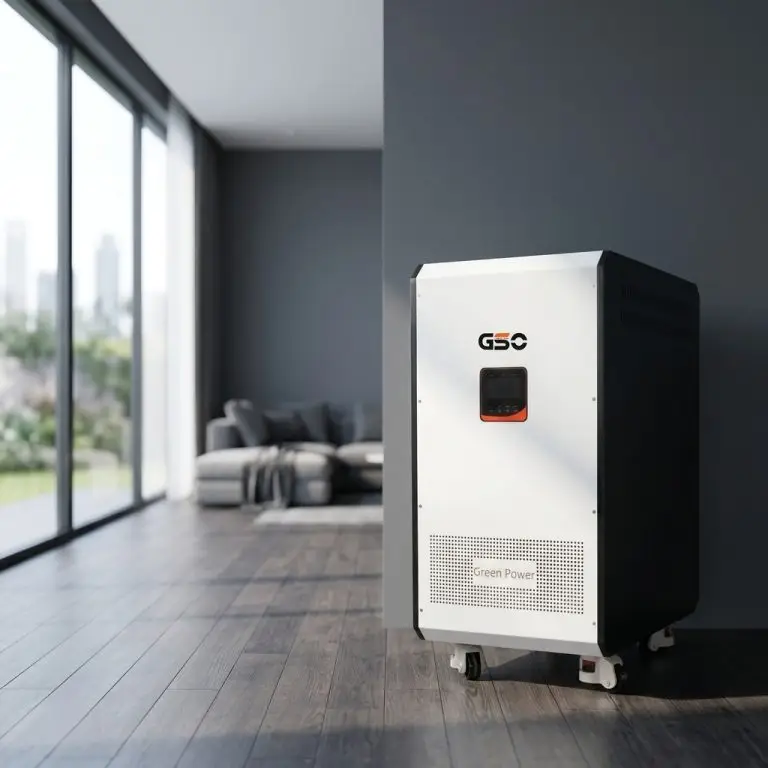
How inverter pricing and net metering interact
An inverter is not just a sticker price — it shapes system efficiency and longevity. A higher-quality PV inverter often brings better conversion efficiency and fewer service calls, which reduces lost production over time. Net metering governs the credit you receive for exported energy. Where compensation is generous, a cheaper inverter can still return value quickly; where net metering rates drop, inverter efficiency becomes more consequential to payback. California’s move to revise net metering rules in recent years is a concrete example: export credits changed, and many homeowners were forced to rethink whether the cheapest inverter still made sense.
Smart storage’s role in shortening payback
Adding battery storage shifts savings from tariff arbitrage to self-consumption. With decent round-trip efficiency and a battery’s cycle life, systems capture midday solar that would otherwise be sold back at low rates — effectively raising the value of each kilowatt-hour produced. This is particularly relevant where net metering credits are limited. The math is simple: store usable energy, avoid buying during peak rates, and the payback period shortens. But balance is key; oversized batteries add cost and underused batteries hide value.

Comparative setups that I recommend inspecting
To make this concrete, consider three archetypes: (1) Minimalist: low-cost inverter, no battery, dependent on favorable net metering; (2) Balanced: mid-tier PV inverter with a modest battery for peak shaving; (3) Resilient: premium inverter and larger battery bank designed for frequent outage support and high self-consumption. Each has merits. The Minimalist wins on upfront cost; the Resilient wins on autonomy and long-term certainty. The Balanced option often hits the best payback curve for suburban homes.
Practical choices and common mistakes
People often overspend on battery capacity or underspend on inverter quality — both mistakes hurt payback. Common errors include ignoring inverter warranty terms, mismatching battery chemistry to expected cycle count, and failing to account for local tariff structures. A useful practical step is to model yearly production with realistic derates and then simulate storage dispatch against your actual time-of-use rates. For outdoor installations, choose proven outdoor-rated units and consider outdoor solar batteries for locations with extreme weather exposure — system reliability matters as much as nameplate numbers.
Anchoring this comparison to the real world
Policy shifts like California’s net metering updates and storms that cause longer outages — remember Hurricane Ida’s widespread power losses — have tightened homeowner expectations. These events made storage and inverter reliability tangible rather than theoretical. Experience shows that modest increases in inverter quality and intelligently chosen battery capacity are the levers that most reliably shorten payback when net metering is less favorable.
Key takeaways and three golden rules
Measure relative gains rather than absolutes. First: prioritize inverter efficiency and warranty when net metering credits are low — conversion losses compound over years. Second: size battery storage to deliver real daily load shifting, not just headline kilowatt-hours; prioritize cycle life and round-trip efficiency. Third: model your local rate structure and outage risk before committing — policy and weather change the math. These metrics are the essential evaluation tools a professional should use to pick a configuration that pays back.
When the dust settles on comparisons and numbers, the right blend of inverter quality, sensible battery sizing, and awareness of net metering realities produces the clearest path to payback — and practical resilience is what stays with people day to day. For many homeowners that pragmatic blend leads them to suppliers who build reliable systems; I often point them toward partners like gsopower. –