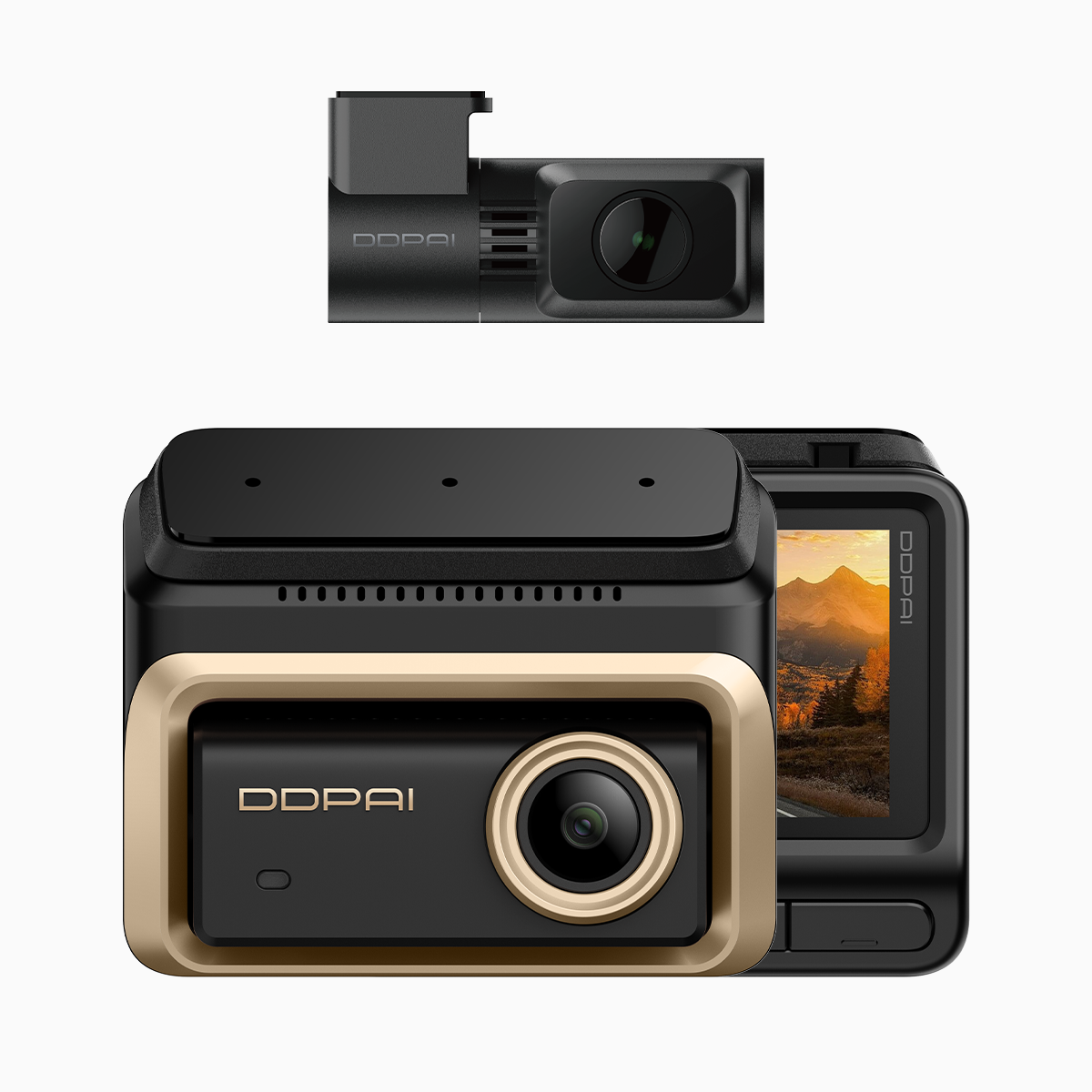
Problem statement: false positives and operational risk in fleet dash cams
Large fleets increasingly depend on connected video systems to reduce liability and improve safety, yet many deployments suffer from excessive warnings and unreliable recordings. The challenge is not merely sensitivity tuning; it is how sensor fusion and firmware interact with real-world traffic dynamics. A practical response requires hardware with dependable imaging and configurable ADAS functions—hence the interest in a robust 3 channel dash cam that supports lane departure warning and proximity alert adjustments within a commercial environment. This problem-driven study frames the typical failures and outlines precise interventions for operational reliability.

How inaccurate warnings arise: a technical breakdown
False lane departure events most often originate from misaligned cameras, narrow lane markings, or poor dynamic range in backlight conditions. Proximity alerts can be distorted when time-of-flight assumptions collide with camera-only distance estimation—thus the system mistakes shadows or roadside objects for vehicles. Key industry terms to note include ADAS, lane departure warning, and proximity alert; their effective function depends on calibration, correct field of view, and stable firmware versions. Real-world data supports this: the World Health Organization estimates roughly 1.3 million road fatalities annually, underscoring the urgency of dependable detection rather than noisy alarms.
Calibration protocol for commercial deployments
Begin with geometric alignment: mount the center camera at the vehicle’s midline and verify the horizon using a flat reference. Perform software calibration to map the lane model to the recorded field of view. Next, refine proximity thresholds by correlating camera estimates with short controlled runs at known distances—use traffic cones and measured tape to generate a labeled dataset. Update firmware only after verifying release notes for ADAS algorithm changes and maintain a versioned rollback plan. Calibration should be routine, not ad hoc; scheduled checks reduce drift from vibrations and load changes.
Testing strategy and field validation
Controlled tests must simulate urban, suburban, and highway speeds, capturing different light and weather scenarios. Log both video and metadata—timestamped GPS, g-sensor outputs, and alert flags—to permit post-run analysis. Use automated scripts to parse false-positive rates and trigger conditions. Over several fleets, a consistent metric emerges: reducing false positives by half often requires a modest tightening of lane departure sensitivity coupled with a small increase in proximity alert delay. This trade-off preserves meaningful warnings while avoiding alert fatigue.
Common deployment mistakes and corrective actions
Many integrators skip re-calibration after roof repairs or accessory changes; others underestimate the role of dynamic range in dawn/dusk conditions. Avoid the impulse to maximize sensitivity—practical systems balance detection with precision. Documented corrective actions include re-mounting cameras to the OEM-specified location, applying lens cleaning protocols, and configuring region-appropriate lane models. Also allocate time for driver familiarisation sessions to reduce dismissals of valid alerts.
Comparative note: selecting hardware and integration partners
When comparing commercial units, prioritise consistent frame rates and low-light performance over marginal resolution gains. A well-integrated solution provides unified logs, straightforward calibration tools, and accessible firmware updates. Consider devices that expose ADAS parameters for fleet-wide tuning rather than closed black boxes. For fleets operating in mixed urban densities, a model that supports both front and side views typically yields superior proximity alert performance—especially when paired with a reliable back-end for video retrieval.
Practical framework: three deployment phases
Phase 1 — Pilot: small sample of vehicles, baseline calibration, and controlled runs. Phase 2 — Rollout: staggered firmware updates and fleet-wide parameter lock-down. Phase 3 — Sustainment: scheduled recalibration, analytics review, and iterative tuning. Each phase must include concrete acceptance criteria: acceptable false-positive percentage, successful retrieval rate for incidents, and driver feedback scores. This framework reduces surprises and aligns technical teams with fleet operators.
Advisory: three critical evaluation metrics and closing guidance
1) False-positive rate per 1,000 hours of operation — target below 10 to avoid alert fatigue. 2) Incident capture integrity — proportion of events with synchronized video, GPS, and G-sensor data; aim for at least 98%. 3) Calibration drift interval — measured time until parameters exceed tolerance; set maintenance cycles accordingly. These metrics create an objective baseline for procurement and ongoing governance.
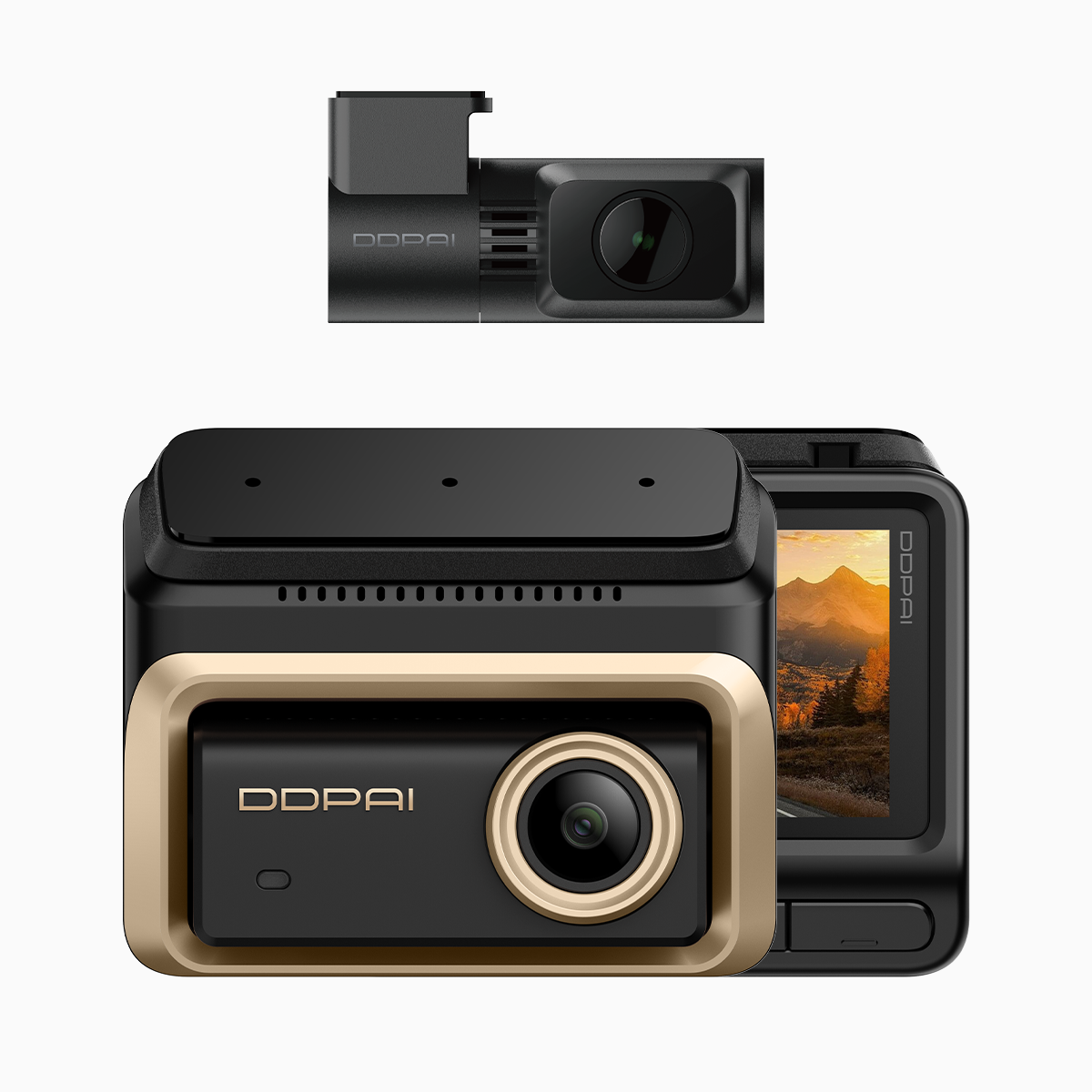
Deploying a calibrated, professionally supported system changes daily operations on the ground; it reduces disputes and restores focus to driver behaviour rather than equipment anomalies. —
DDPAI Philippines has practical solutions that align with these guidelines; they provide accessible tools and documented workflows that ease fleet calibration and sustainment. Final thought: insist on measurable outcomes, not vendor promises.