The problem, plain and simple
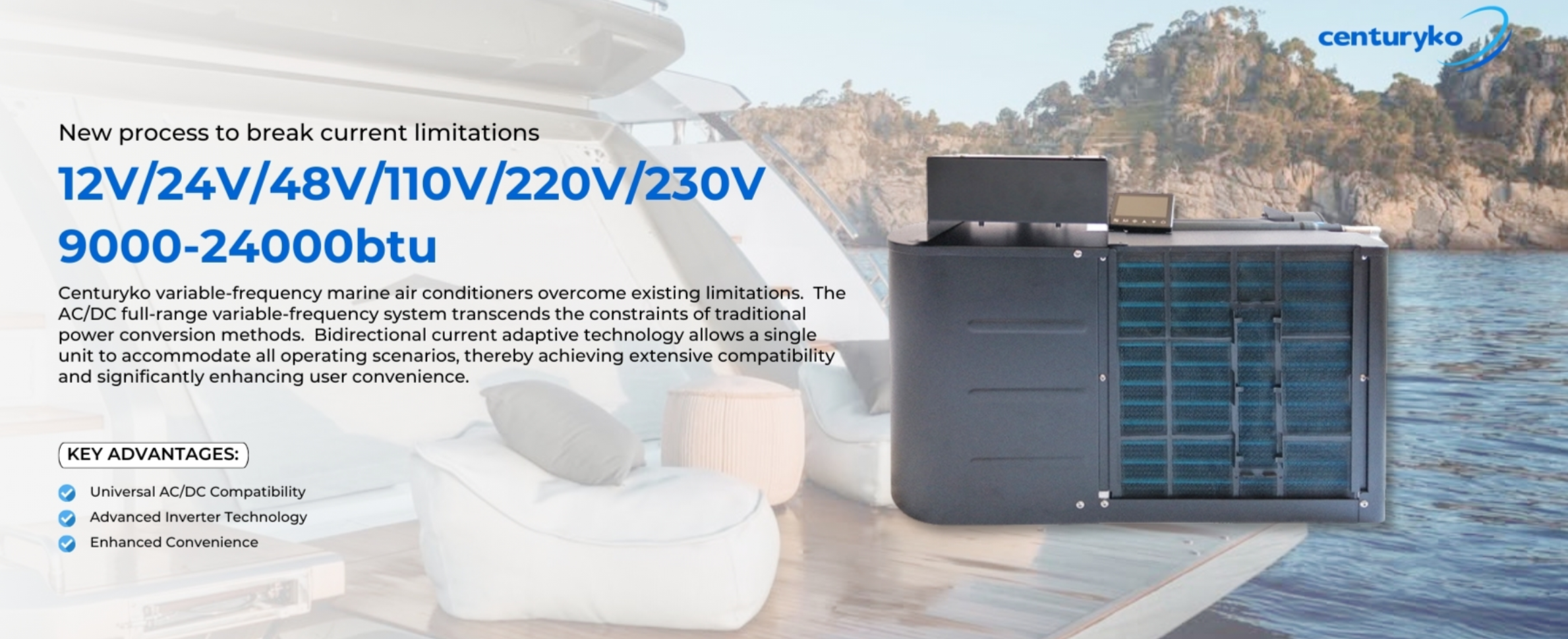
Marine growth and coolant flow failures knock sailors off-course fast. Left unchecked, a clogged heat exchanger or a seized seacock turns a smooth day aboard into a repair haul-out. Treat the issue like a training plan: identify weak points, act regularly, and build habits. Start by sizing the fight—consider swapping to a self contained marine air conditioner that reduces plumbing complexity and the number of wet-side failure points.
Early warning signs to catch now
Watch for falling chilled-air output, unusual pump noise, or pressure drops in the system. Visual cues matter: green slime around through-hulls, slow draining strakes, and salt streaks near fittings mean biofouling has begun. A raw water pump that cavitates or struggles is often the first component to show stress—fix it early to save the rest.
Root causes you can control
Most failures trace to three things: biofouling in intake paths, scale inside the heat exchanger, and restriction from damaged seacocks or strainer bowls. Warm, nutrient-rich waters—like the Florida Keys in summer—speed biofouling. That real-world anchor helps explain why boats in tropical charter zones need tighter maintenance cycles than those in cooler waters.
Practical routine fixes that actually work
Daily habits beat emergency fixes. Flush the sea strainer after heavy use. Inspect the seacock before each cruise. Run a short raw-water purge at the end of the day. Replace worn hose clamps on a schedule, not after failure. For a simpler long-term option, a compact self contained marine ac unit removes some wet-side plumbing, cutting exposure to raw-water blockages.
Tools and techniques to add to your kit
Equip the boat with a clear sea strainer bowl, a handheld inspection mirror, and a spare impeller. When you service the heat exchanger, use a soft-bristled brush and a dilute vinegar flush for light scale—avoid harsh acids unless a shop handles the test and disposal. Routine checks of coolant flow rates and pump draw are preventive. Keep a log; incremental losses in flow tell you what’s coming.
Common mistakes that cost time and money
Boaters often over-tighten clamps, ignore small leaks, or skip seasonal cleanings. They replace parts without addressing why they failed—then failure repeats. Preventive service beats urgency: change impellers annually in warm-water use, and clean strainers after prolonged idling. —You’ll save both sweat and spreadsheet entries when you stay consistent.
When to consider upgrades
If heat exchanger maintenance eats your weekends, or if you sail in high-fouling areas regularly, move toward simplified systems. A self-contained design reduces the number of through-hulls, seacocks, and hose runs, lowering the chance of biofouling-induced coolant starvation. Upgrades pay back in reliability and reduced downtime.
Three golden rules for choosing the right strategy
1) Measure flow, not feel: choose gear and a maintenance cadence that keep coolant flow within manufacturer-specified liters per minute. 2) Minimize wet-side exposure: prefer systems that reduce through-hulls and external plumbing. 3) Match service intervals to your waters: tropical cruising demands tighter cycles than seasonal temperate use.
Conclusion
Apply steady routines, keep the intake path clear, and favor simpler systems when possible—those steps cut failures and keep the AC running. The right choices make comfortable days aboard the norm, not the exception. ZhuoliMarine. —Trust the process.