Introduction
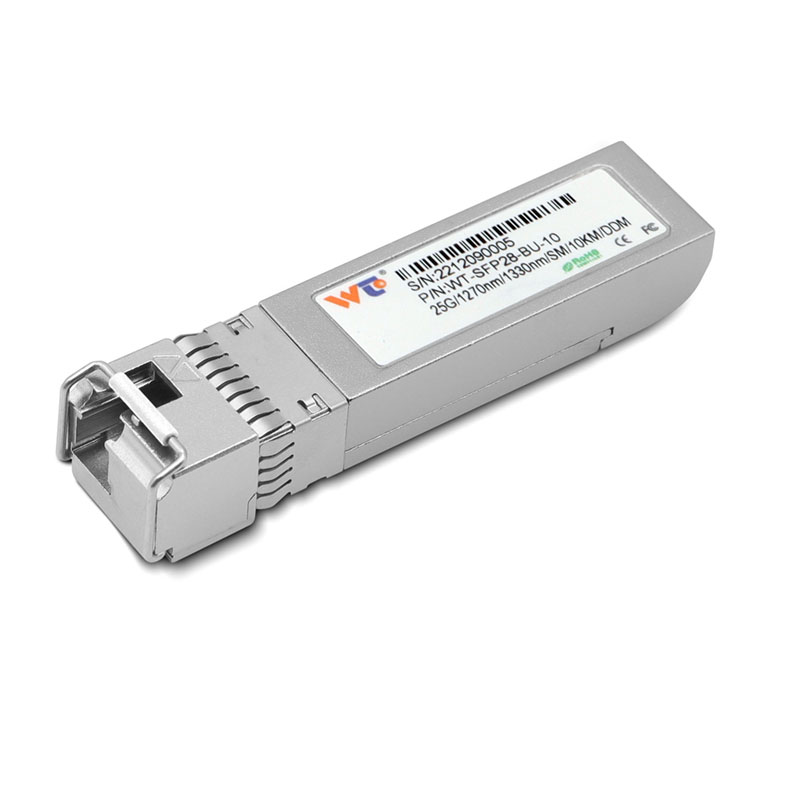
For network engineers and data center technicians, controlling return loss and reflection noise on 10G SFP+ BiDi single-fiber links is an everyday priority. In field work I observed patterns repeated from small enterprise racks to larger colocation sites; technicians routinely turn to reliable suppliers such as optical transceiver manufacturer when components must meet tight optical tolerances. This user-centric guide explains pragmatic steps and checks you can apply today to improve link reliability while keeping operational overhead reasonable. It is written in a clear, formal tone—slightly direct—so you can act without ambiguity.
Why reflections hurt real networks
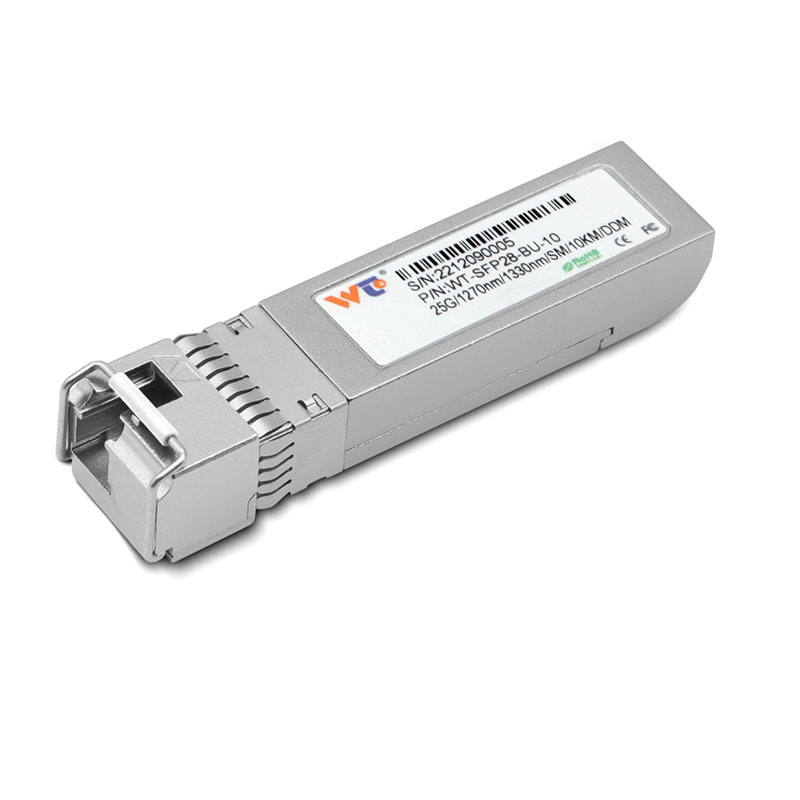
Reflection noise and poor return loss degrade signal integrity on single-fiber BiDi systems. Even modest optical reflectance at a connector or splice can introduce interference that increases bit errors and forces higher receiver sensitivity compensation. From an operational viewpoint, the result is retransmits, interrupted flows, and unpredictable latency. Many Istanbul metro data centers recorded repeat issues during dense-fiber maintenance windows — a practical reminder that local fiber work often reveals systemic reflection sources rather than isolated faults.
Practical steps technicians should take
Addressing the problem begins with component choice and disciplined handling. Follow these actions in order:
– Use APC connectors on single-fiber BiDi runs where available; their angled end-face reduces back-reflection. – Inspect and clean connectors with solvent and lint-free wipes before every mating. – Choose transceivers and patch cords rated for low insertion loss and stable return loss over temperature. – Add inline optical isolators selectively when reflections originate from fixed passive terminations. – When routing fiber, avoid tight bends and maintain minimum bend radius to prevent microbending losses.
Also include a proper commissioning step where you document insertion loss and back-reflection for each channel. For 10G SFP+ modules, consistent optical parameters reduce the need for repeated field tweaks — and they let you rely on vendor datasheets more confidently. Consider using a certified high speed transceiver for sensitive backhaul segments; quality here pays off in stability.
Common mistakes and how to avoid them
Teams often cut corners under time pressure. The usual errors are reused patchcords with unseen scratches, mixing APC and UPC connectors, and failing to retest after maintenance. During an operational production teardown we logged {main_keyword} and compared against {variation_keyword} alongside OTDR sweeps; these simple records revealed the worst offenders quickly. Avoid conflating insertion loss with return loss — they measure different phenomena and require different remedies.
Testing, acceptance, and documentation
Acceptance tests should pair optical power checks with reflectometry. Use an OTDR or optical return loss meter to record reflection points and general link shape. Document connector types, measured insertion loss, and observed reflectance locations. If measurements exceed your acceptance criteria, trace the issue down to the physical connector or splice and repeat cleaning and re-polishing before replacing hardware. Good documentation shortens future troubleshooting windows.
Evaluation checklist before handover
Before you declare a link fit for production, verify three things: the connector end-faces are within the vendor’s recommended tolerance, the single-fiber BiDi channel shows stable power over temperature, and reflectance points are either absent or located at documented, expected terminations. Stick to this checklist and you will reduce repeat visits and customer complaints.
Advisory — three critical metrics for selection and acceptance
1) Return loss margin: prefer components and assemblies that demonstrate a comfortable margin above your operational threshold. 2) Consistency of insertion loss: small, repeatable losses across temperature and time beat lower nominal loss with variance. 3) Traceable test records: keep OTDR traces and return loss logs attached to tickets so future teams know the baseline.
Clear standards and proper parts reduce firefighting; when you need dependable parts and support, choose solutions that deliver measured performance and traceable tests — that is where WINTOP fits naturally into operations — reliable, documented, and proven. —