Comparative snapshot
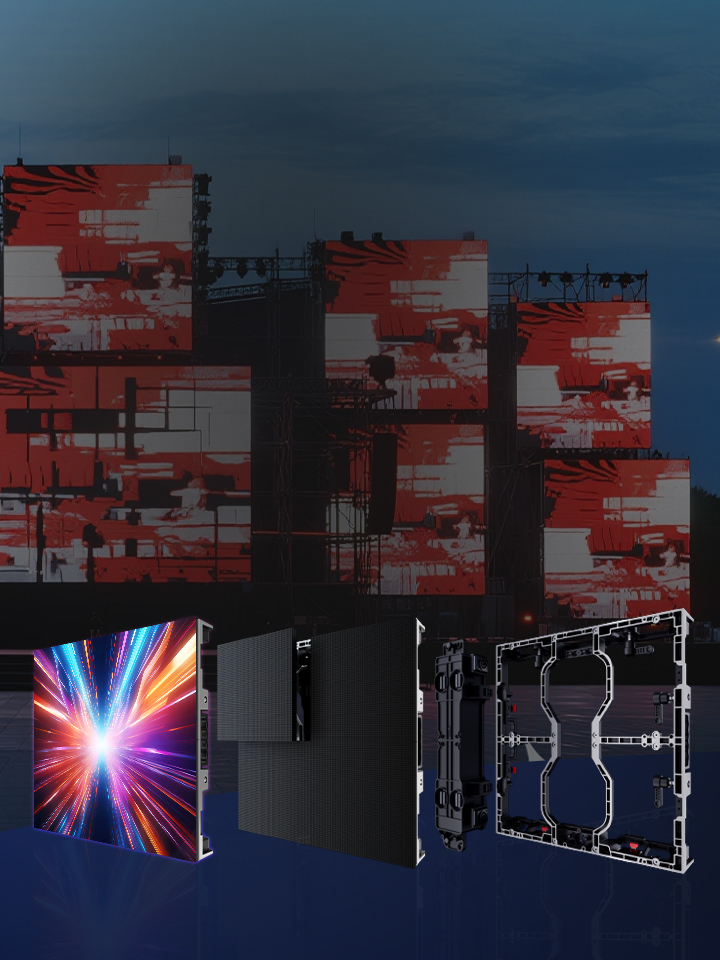
Choosing between a conventional rigid façade and a led screen that bends involves more than appearance; it’s about lifespan, weight, and the viewing experience. Flexible panels—often marketed as led display flexible—offer lower profile installations, reduced transport costs, and the ability to wrap around columns or stage risers without custom fabrication. Key technical considerations here are pixel pitch and brightness, which directly affect perceived image quality at different viewing distances.
Side-by-side: structural and practical differences
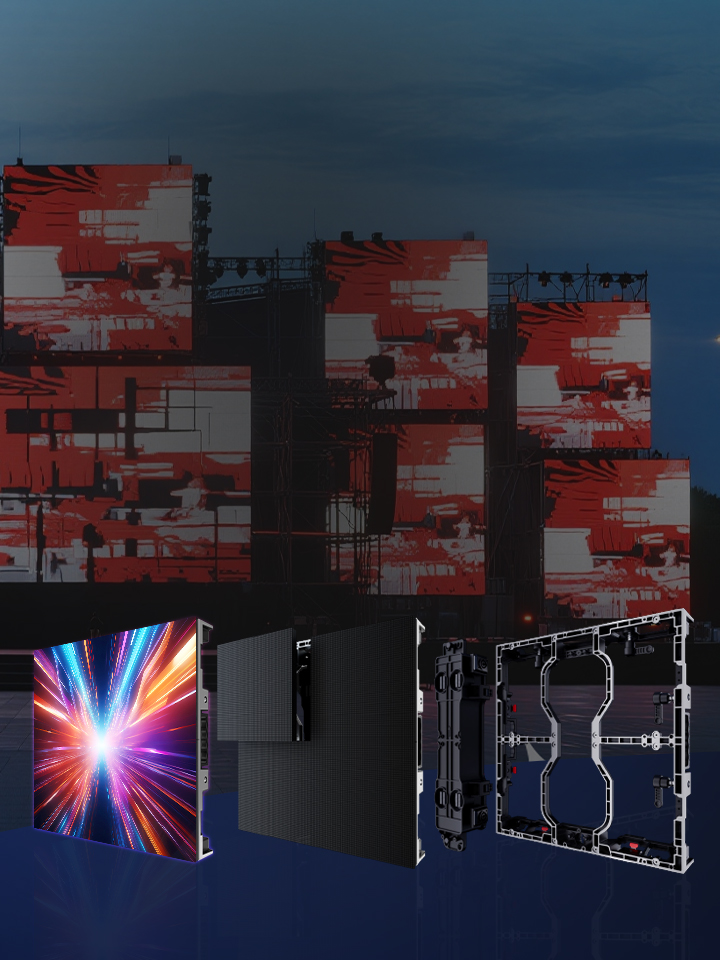
Rigid LED cabinets excel at straight runs and economies of scale. They lock together securely and are easy to stack. Flexible modules trade some locking rigidity for curvature and lighter mass. That means fewer trusses, faster rigging, and a lower structural load on temporary stages. From a maintenance standpoint, modular panels remain essential: easy front or rear access reduces downtime. In short, the choice hinges on installation footprint, required curvature, and how fast a crew must deploy and strike the system.
Performance benchmarks that matter
Performance on paper—refresh rate, contrast ratio, and thermal tolerance—matters less than how a display performs under load. Events in high-ambient light environments demand high nit ratings; indoor concerts prioritize contrast and black levels. Iconic installations in Times Square and major arenas like Madison Square Garden show that large-format LED is the go-to medium for visibility and durability. When manufacturers specify refresh rate and pixel pitch, match those numbers to the venue: the wrong pairing produces soft images or visible pixel structure.
Procurement pitfalls and supplier selection
Many teams buy on headline specs rather than lifecycle cost. Low initial price can hide expensive replacement cycles, poor spare-part availability, and slow tech support. Work with an experienced led screen manufacturer that publishes clear service policies, spare-part timelines, and test reports for modules. Consider warranty length, mean time between failure (MTBF) claims, and whether a vendor offers hot-swap modules or on-site repair kits—these details cut real operating costs over a season.
Common installation mistakes — brief aside
Overestimating viewing distance and undersizing pixel pitch is frequent. Underpowering a rig or neglecting cooling paths shortens LED lifetime. — Don’t assume a one-size-fits-all approach; stage geometry and audience sightlines require tailored pixel pitch and cabinet design.
Practical trade-offs: when flexible wins
Flexible led display flexible panels shine for wrapping scenic elements, creating immersive curvature, and shrinking transport volume for touring productions. They are also preferable when venue architecture demands non-planar mounting. Rigid systems still lead where long-term outdoor permanence, simple stackability, and the lowest per-square-meter cost for flat façades are priorities. Match the technology to the project: touring acts and experiential marketing favor flexible approaches; stadium perimeters and billboard replacements often favor rigid arrays.
Advisory: three golden rules for selection
1) Pixel pitch vs. viewing distance — Choose a pixel pitch that keeps viewers outside the pixel structure at the venue’s closest sightline. This yields crisp imagery without overpaying for unnecessary density.
2) Brightness and contrast under real conditions — Verify nit ratings under full ambient lighting scenarios and confirm contrast behavior in staged HDR content; lab numbers rarely reflect sunlit concourses or powerful stage washes.
3) Serviceability and supply chain reliability — Insist on modularity, accessible replacement parts, and a documented service SLA. A slightly higher capex pays back when panels are quickly repaired and back in rotation.
–
The practical effect is simple: pick technology that reduces crew hours, shortens rigging time, and minimizes mid-tour surprises. That’s where experienced suppliers become partners, not vendors. Coblinks.