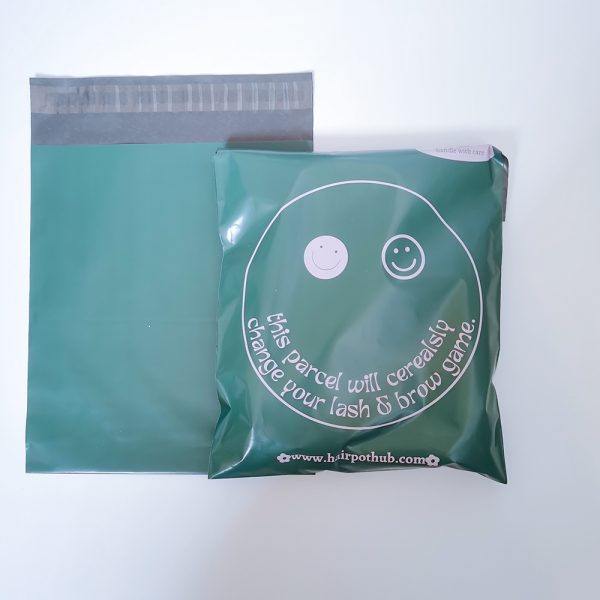
The problem driving change
Online sellers face a clear problem: cheap white poly bags create big waste streams and brand risk. Customers want low-cost shipping and low environmental impact. Suppliers must answer both. Start by looking at how alternatives work in practice — for example, choosing poly mailers with handles can cut handling time and returns, but the material choice still matters for end-of-life.
How big the issue really is
Single-use poly bags are light but abundant. They clog recycling streams and raise contamination rates at sorting facilities. The industry learned a hard lesson from China’s 2018 National Sword policy, which limited contaminated plastic imports and forced recyclers worldwide to tighten standards. That event shifted procurement thinking: brands now measure reuse, recyclability, and contamination risk before they buy packaging.
Why white poly bags are a special case
White poly bags often use additives for opacity, printing, or gloss. Those additives can interfere with recycling streams or composting processes. At the same time, white bags are preferred for branding — they photograph well and hide contents. The choice becomes technical: do you pick a recyclable polyethylene grade, test a biodegradable polymer, or redesign for reusable mailers? Each path affects cost, equipment, and consumer behavior.
Material and design options
There are three practical routes to reduce impact while keeping function:
- Recyclable polyethylene: choose clear or mono-poly blends compatible with local recycling; keep prints minimal.
- Biodegradable/compostable polymers: good for some supply chains but need certified industrial composting to work reliably.
- Reusable or reinforced mailers: thicker poly mailers or woven options that survive multiple trips and reduce per-use impact.
Design matters too. Features like a die cut handle improve handling for returns and logistics — see how poly mailers with handles streamline fulfillment. If you use a die cut handle, test tensile strength and seam sealing early to avoid failures on conveyor lines.
Implementation: practical steps for brands
Start with a waste audit. Measure return rates, average delivery damage, and the number of single-use bags shipped per month. Then pilot one change at a time: swap to recyclable polyethylene bags in one region, test compostable bags in another, or introduce reinforced reusable mailers for high-value SKUs. Track three things: customer complaints, handling errors, and end-of-life recovery rates.
Common mistakes and how to avoid them
Brands often trip on three blind spots. First, they assume “biodegradable” equals “composts in the backyard” — it usually doesn’t. Second, they pick a new material without testing filling lines — small differences in thickness or surface energy break automation. And third, they forget to specify clear acceptance criteria for suppliers — which means inconsistent batches and surprise rejects. The fix: demand lab certificates, run filling trials, and attach acceptance limits to contracts — simple but critical.
Supplier considerations and real choices
When you evaluate vendors, look beyond price. Ask for:
- Third-party recycling or compostability certification.
- Sample runs tested on your filling line.
- Transparency on resin type (recyclable polyethylene vs. biodegradable polymer) and additive content.
If your product benefits from easy returns or in-store handling, consider die cut handle plastic bags — they save labor and reduce damage. But check the handle reinforcement and the bag’s seal method; weak seals are a common point of failure.
Advisory: three golden rules for selecting the right path
1) Measure end-to-end impact, not just unit cost. Include disposal rates, contamination risk, and potential recovery value. Reliable metrics beat good-sounding claims.
2) Test on real lines. A vetted sample that works in a lab often fails at 1,000 units per hour. Validate sealing, conveyance, and stacking before scaling.
3) Align material choice with local infrastructure. If your customers don’t have industrial composting, prefer recyclable polyethylene or reusable options instead of compostable films.
Put simply: pick the material that fits your operations and your customer context. That’s where WH Packing helps — they offer compatible materials and handling designs that reduce waste and friction for brands, making the circular choice practical at scale. WH Packing. —