Decide what you actually need
You want shade, durability and predictable costs. Start by listing primary goals: guest comfort, year-round use, energy generation or a branded look. If power matters, a photovoltaic pergola can turn a canopy into a revenue-generating asset while still providing shelter. Keep the user needs at the centre of every decision so design choices solve real problems, not theoretical ones.
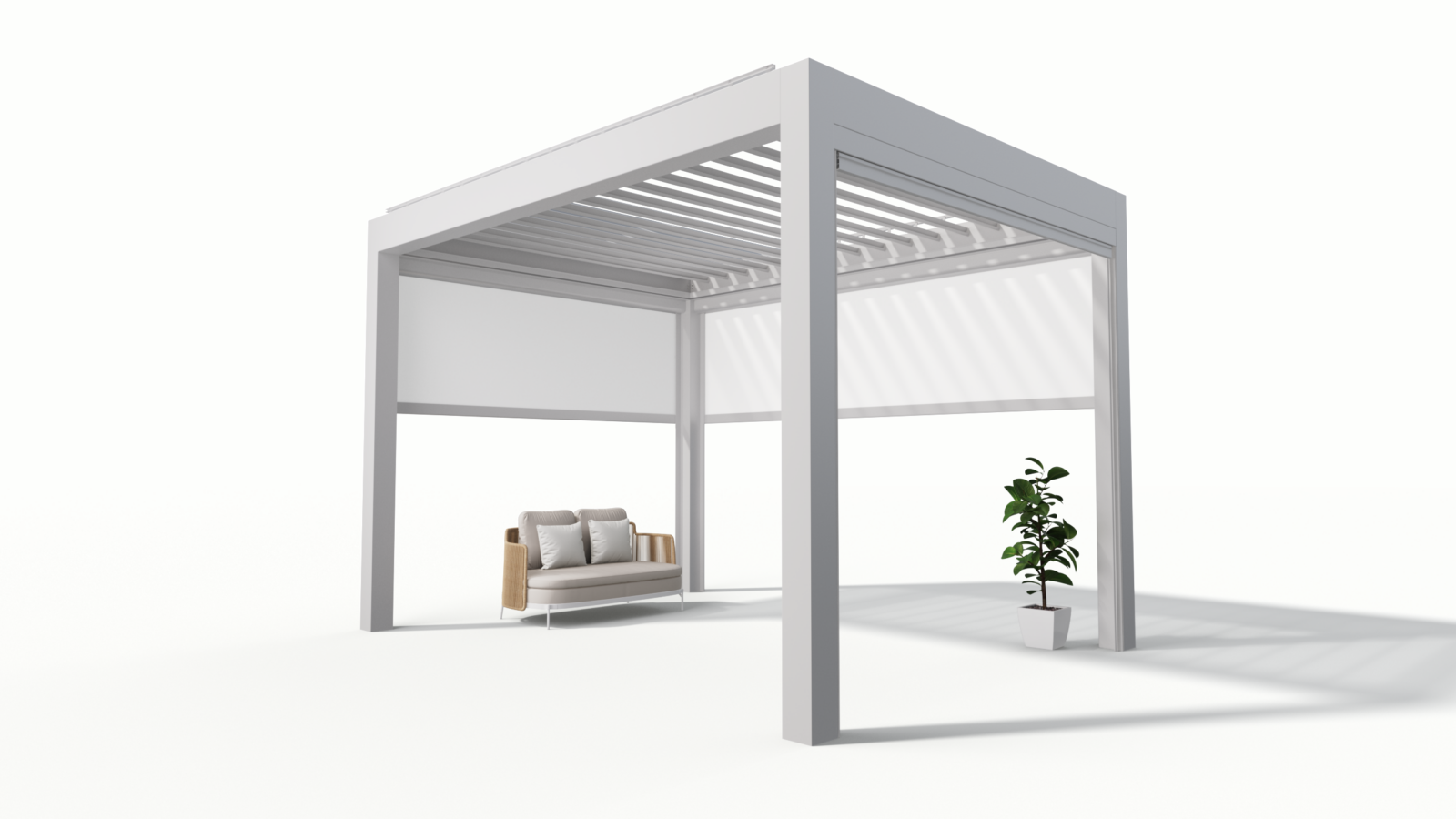
Site realities and a real-world anchor
Local rules and site conditions drive nearly every technical decision. For example, California’s Title 24 updates have pushed more commercial rooftops and canopies toward integrated solar solutions; many installers now adapt mounting and wind details specifically for pergola roofs. I’ve specified commercial shading and canopy projects for over a decade, worked with structural engineers and municipal permit teams, and tested details on live installations—experience that helps spot issues early.

Material and structural choices that matter
Aluminium extrusions, powder coating and stainless fixings resist corrosion and cut long-term maintenance. Timber looks warm but needs preservative treatment and clear maintenance schedules. Decide on rafter spacing based on sun angles and intended cover: wider spacing with solid panels for full rain protection, tighter or louvered profiles for airflow and adjustable light. Load capacity matters—design for snow and wind loads specific to your site rather than rule-of-thumb values.
Solar integration without surprises
Match module type to the canopy layout. Thin-film or framed PV behaves differently under heat and bending; framed crystalline panels mount cleanly to rigid rails. Plan wiring runs, inverter location and access for maintenance before finalising the canopy beams. Avoid hidden junctions that complicate repairs. A simple electrical snarl often turns a good project into a costly retrofit.
Common pitfalls and how to avoid them
Skipping early coordination with structural engineers is the top error—fix it by including load checks in the first schematic stage. Overlooking drainage leads to pooling and premature corrosion; design discreet gutters and fall lines from the start. Choosing a cheaper finish without lifecycle data saves money up front and costs more in three to five years—specify finishes with proven service histories and local warranties.
Comparing practical alternatives
Motorised louvers give control but add moving parts and routine maintenance. Fixed canopies are lower maintenance but less flexible. Fully enclosed roofs provide weather protection at the expense of airflow. Balance operational needs with maintenance capacity: if your operations team has limited maintenance bandwidth, favour simpler, robust systems and standardised replacement parts.
Budgeting, procurement and maintenance plans
Budget for three line items beyond construction: spare parts, scheduled inspections and a small contingency for unforeseen roof tie-in work. Purchase from suppliers who provide clear data sheets and on-site support. Maintenance saves money—set inspections at predictable intervals and keep a simple log of fastener torque checks and sealant condition so small issues never grow.
How to make a final, confident choice
You’ll land on the right solution by prioritising user needs, validating structural and regulatory constraints, and specifying materials with known lifecycles. Practical experience and clear specs reduce surprises during installation and service. That practical balance—performance, maintainability and verified supply—explains why many project teams default to suppliers who combine technical clarity with on-the-ground support, a combination I’ve seen repeatedly succeed with Light Hunter.