The problem: tiny setup mistakes ruin a night
You pitch a tent, crawl in, and hours later you’re wiping beads off your sleeping bag. It’s never glamorous to admit you were beaten by a single seam or a sagging ridge. The fix usually isn’t a new tent — it’s a better setup and the right fabric. A solid waterproof flysheet used correctly stops most of the drama, but you have to know where the leaks actually start.

Where shelters commonly fail
Leaks come from predictable places: taped seams that wore out, poor tension that lets water pool, poles that bend and change the pitch, and vents that don’t move condensation away. People blame the weather, but the shelter’s geometry and how the fabric behaves under stress are where fault lines form. Fix one weak point and the rest behave better.
Field-tested perspective from rainy zones
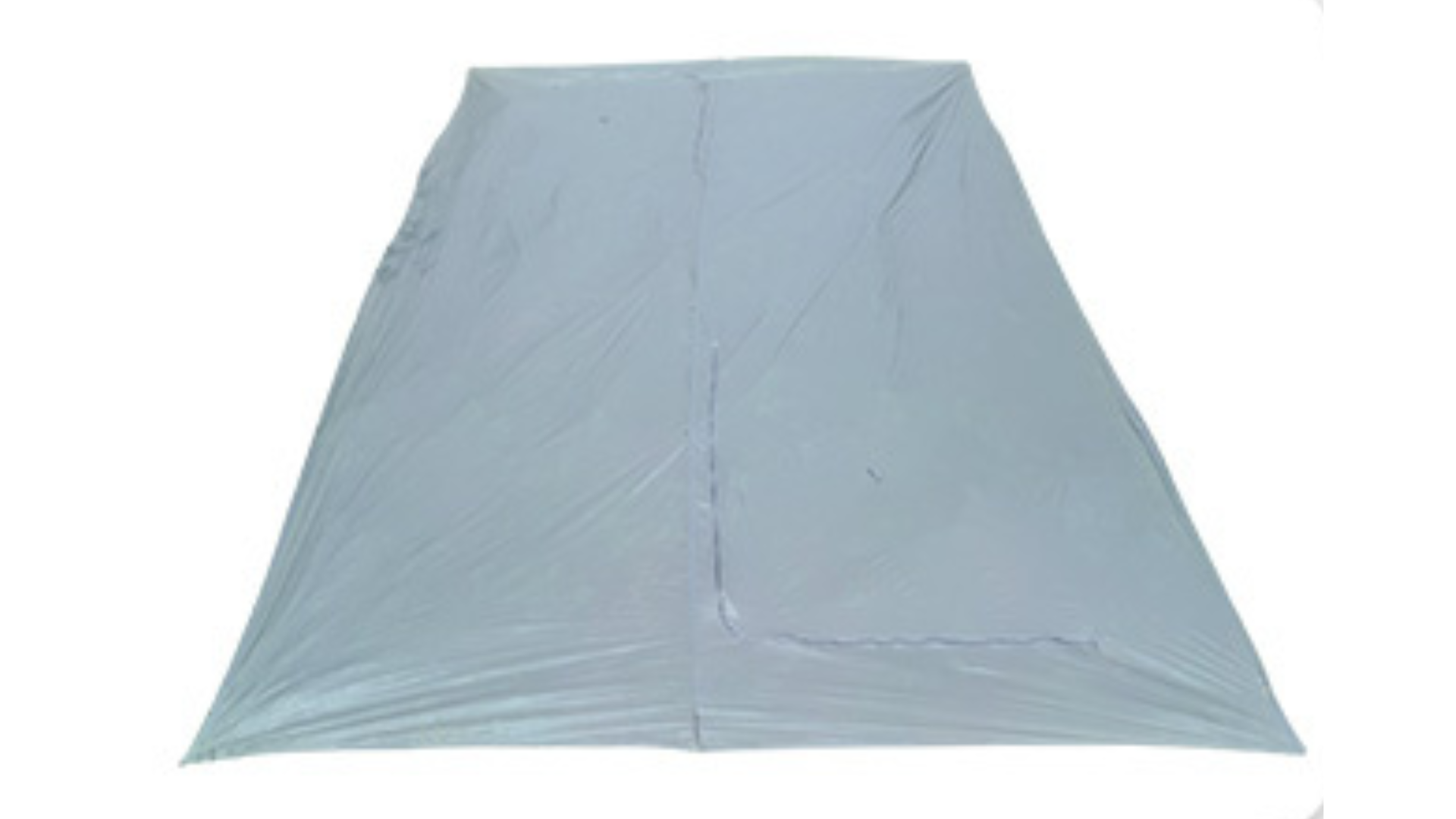
I’ve pitched and re-pitched shelters all over the Pacific Northwest during long, soaking weeks where a single cold night tells you everything about fabric choices and seam work. That real testing taught me to look past brand hype and check hydrostatic head ratings, seam-sealing methods, and stitch placement. On trips like that, a proper flysheet waterproof makes the difference between a wet bag and a dry sleep—no mysticism, just measurable performance and repeatable setup steps.
Fixes you can do tonight
Start by tensioning the fly: pull the ridgeline tight so water sheds instead of pooling. Seal vulnerable seams with a single, trusted seam sealer and re-press taped seams where needed. Raise the vestibule edges and angle the poles so runoff can’t hit attachment points. Add a small footprint under the floor to stop splashback. Vent the shelter to lower condensation—open a vent, even a little. Those moves prevent the majority of leaks without bulky upgrades.
Alternatives and trade-offs
If weight matters, look at silnylon or silicone-coated nylon — lighter and good at shedding water but they can flap more in wind unless tensioned. Polyester blends resist UV and stretch less, which keeps pitch stable over time. Taped seams save weight over full seam-taping jobs at the cost of long-term durability unless you refresh them. Choose based on where you camp: short, windy weekend trips favor lighter setups; extended wet trips favor durability and simple repairs.

Simple mistakes to stop making
Don’t lay the tent under dripping branches. Don’t assume a flat pitch will be fine in rain. Don’t skip checking the fly attachments after your first gust. And don’t confuse condensation with leakage—ventilation and proximity to wet gear matter more than some people think. Small habits beat expensive gear when it comes to staying dry.
The practical payoff
When setup and materials work together you sleep better and carry less anxiety. That practical focus—right fabric, sealed seams, and intentional tension—is exactly why THECATAL designs gear that makes pitching less guesswork and keeps the night dry without dramatic hacks or endless adjustments.