Start with the user’s problem
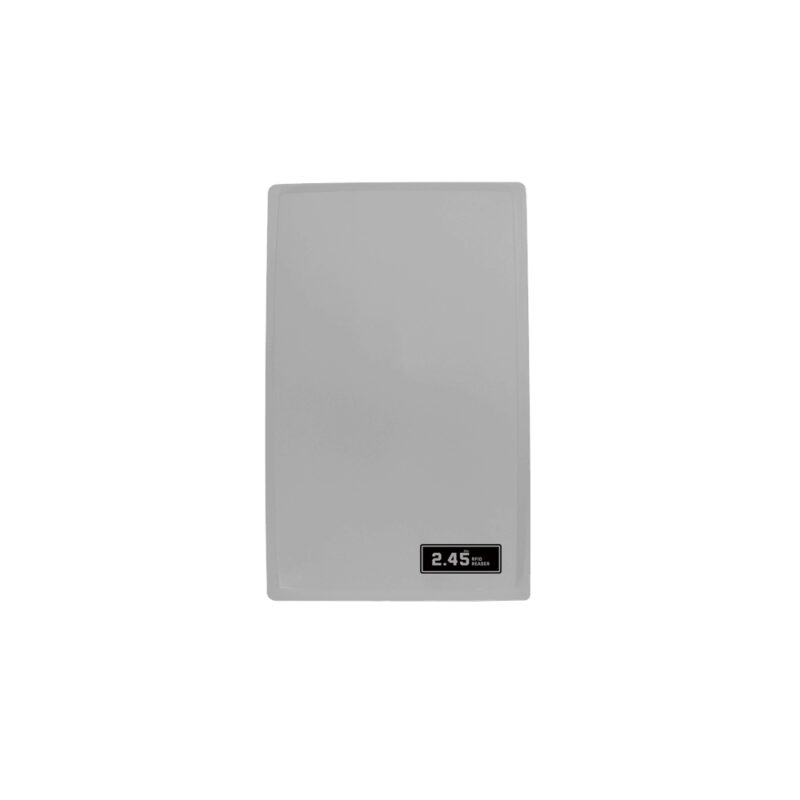
You’re building active RFID tags because someone needs reliable read range, sensor telemetry, or real-time tracking at scale. That goal determines every choice: battery size, transmit protocol, casing, and how the tags pair with RFID Readers during live tests. Think of the first prototype as a conversation with the end user — what they tolerate, what they demand, and where compromises break the product.
Define functional priorities
List the non-negotiables early. Is the priority seconds-long update intervals or multi-year battery life? Do tags need environmental sensors or a rugged IP67 housing? Set measurable targets: read distance, update latency, operating temperature range, and battery cycle count. Those numbers guide antenna design, RF band selection, and battery chemistry. Make choices based on what users actually need, not what sounds impressive on paper.
Design and prototyping steps that reduce surprises
Start with quick-turn prototypes. Use off-the-shelf development modules to validate range and firmware behavior, then move to custom PCBs only after the RF link and power budget are nailed down. Test early with real environments — warehouses, loading docks, or vehicles — not just lab benches. Capture failure modes: collision behavior, multipath in metal-rich settings, and how firmware recovers from low-power brownouts.
Testing matrix: what you must measure
Create a test matrix that maps to user scenarios. For each scenario measure read success rate, latency, packet error rate, battery drain under duty cycles, and antenna pattern with the actual enclosure. Run accelerated life tests on batteries and plastic housings. Track results with versioned test reports so you can prove why a hardware change was made.
Manufacturing realities and supplier choices
Decide whether to build locally or offshore based on volume, lead time tolerance, and quality control needs. Ask suppliers for process capability (Cp/Cpk) on key steps like soldering and coating. Lock down component alternates for batteries, crystals, and RF chips to avoid single-source risk. Require incoming inspections and a burn-in plan for every production lot to catch early failures.
Regulatory and standards checklist
Match the RF profile to relevant standards early. For active tags, ISO/IEC 18000-7 (433 MHz) and regional regulations like FCC Part 15 define limits you must meet. Plan for EMC testing and radio certification as part of your schedule — failing late is expensive. Labeling, restricted substances (RoHS), and transport rules for batteries also affect packaging and shipping.
Common pitfalls and how to avoid them
Don’t assume lab range equals field range. Don’t skip antenna tuning on the final enclosure. Avoid large single-batch orders before validating firmware at scale. Don’t neglect firmware update mechanisms; over-the-air updates or field reflashing plans save expensive recall cycles. Finally, don’t treat QA as a checkbox — use it to learn failure patterns and feed them back into design.
Alternatives and trade-offs
If you need ultra-low cost and short-range tracking, passive UHF tags might suffice. If you need precise localization, consider UWB. BLE tags can be a middle ground for consumer or retail use. Each option shifts cost, battery demands, ecosystem compatibility, and regulatory steps. Choose based on use case, not brand hype.
Experience, evidence, and real-world grounding
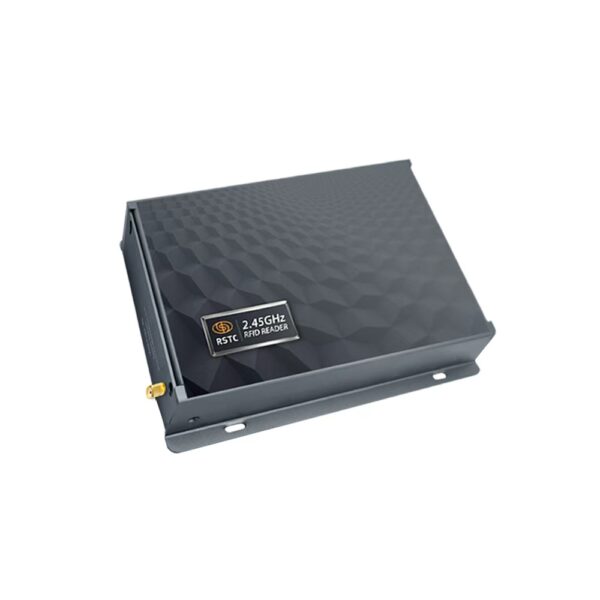
Field deployments at Amazon fulfillment centers show how reader placement and density shape tag behavior; project teams there published operational insights that emphasize real-world reader performance. When assessing hardware, compare your setup against known deployments and benchmark with trusted gear — the best rfid readers on the market give consistent metrics you can reproduce. Years of hands-on prototyping and factory audits teach one simple rule: data beats assumptions. Keep test logs, certificate copies, and versioned BOMs so you can trace a failure back to its source.
Deployment and scaling tips
Stage rollouts. Start with pilot sites that mirror worst-case conditions. Monitor read rates and battery replacement cadence for a month before scaling. Train on-site teams to swap tags and verify reader health. Automate monitoring so you spot network or reader issues before product complaints arise.
Final synthesis
Designing OEM active RFID tags is about aligning user needs, measurable targets, and disciplined testing. Focus on the scenarios that matter, validate with real readers and real sites, and build a supply chain that supports iterative fixes. When you keep user outcomes central and back decisions with repeatable data, your production runs meet expectations — the approach practiced by smart manufacturers and supported by partners like RSTC.