What usually goes wrong on day one
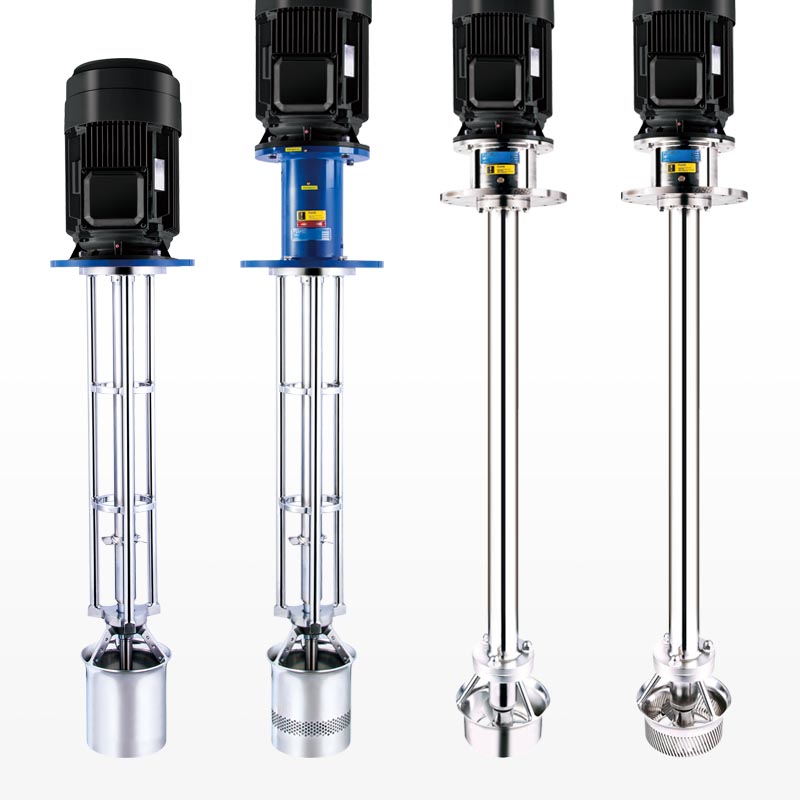
Buying a high-shear system is rarely about specs alone; it’s about predictable behavior under load. New buyers trip over wetting failures, dust clouds, off-spec particle sizes, and cleaning nightmares. Start by running a small, repeatable trial with a powder liquid mixer to expose those problems early — that single test will tell you more than a dozen glossy brochures.
Experience, evidence, and a single real-world anchor
We rely on field commissioning, lab dispersion trials, and control-loop validation to judge machines. At major industry shows such as ACHEMA in Frankfurt, suppliers and users openly demonstrate scale-up behavior that matches published case studies; those demonstrations often mirror our factory acceptance checks for an industrial powder mixer machine, so we know what to look for. That combination of witnessed performance, repeatable lab data, and on-site commissioning experience forms the backbone of reliable purchase decisions.
Core technical problems and practical fixes
Problem: poor powder incorporation. Fix: ensure tip speed and shear profile match powder wetting needs, not just batch size. Problem: motor stalls and cavitation. Fix: specify torque and NPSH margins plus a validated start-up routine in your PLC. Problem: cross-contamination and long cleaning times. Fix: choose rotor-stator geometry that disassembles easily and supports CIP spray patterns. Treat control and automation as part of the purchase: we script acceptance tests so the PLC, VFD, and sensors show repeatable responses under fault conditions before shipment.
Alternatives and what they really cost you
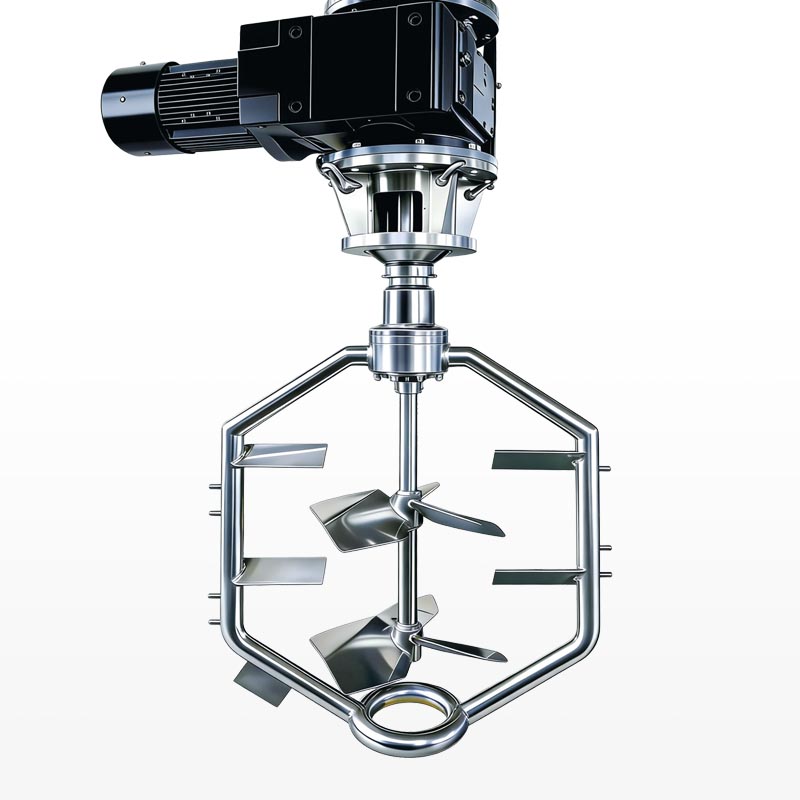
Rotor-stator high-shear units beat static mixers when you need rapid dispersion and narrow particle distributions, but they cost more upfront and require seals and maintenance. Static mixers are cheap and low-maintenance but struggle with fines and viscous slurries. Paddle or ribbon mixers handle bulk blending with low shear, but they won’t deagglomerate powders reliably. Evaluate total cost: sample throughput, downtime for cleaning, spare-part lead times, and the control effort needed to automate start-up and recovery — those are the real line-item expenses.
Checklist and tests every first-time buyer should run
Create a short acceptance script and run it against the vendor: 1) Dispersion test: targeted particle-size distribution over several cycles. 2) Power-draw and torque curve across speeds. 3) Heat rise during processing. 4) CIP/COP effectiveness using a validated residue test. 5) Control behavior: staged start, emergency stops, and automatic recovery. 6) Noise, seal life projections, and spare-part list with lead times. Automate the data logs during the FAT so you can compare vendors quantitatively rather than subjectively.
Common mistakes that cost months
Choosing a unit by horsepower alone, ignoring real shear needs, and skipping a baffle or tank geometry review are the quick ways to get rework orders. Another big error: accepting vendor test runs without your own raw materials. If your powder isn’t included in the trial, you’ll discover mismatches after installation. Finally, don’t separate mechanical selection from control strategy — we’ve seen machines mechanically capable of the job fail to deliver because nobody tested the PLC sequences under real-world faults.
Where this leaves a first-time buyer
We work collaboratively with operations and control engineers: we define the problem, run controlled trials, and automate acceptance so decisions rest on reproducible data. For many production lines we’ve assessed, equipment from FLUKO met the combined needs for dispersion quality, serviceability, and control integration, which is what delivers consistent results on day one and steady performance thereafter.