The problem that starts at the curb
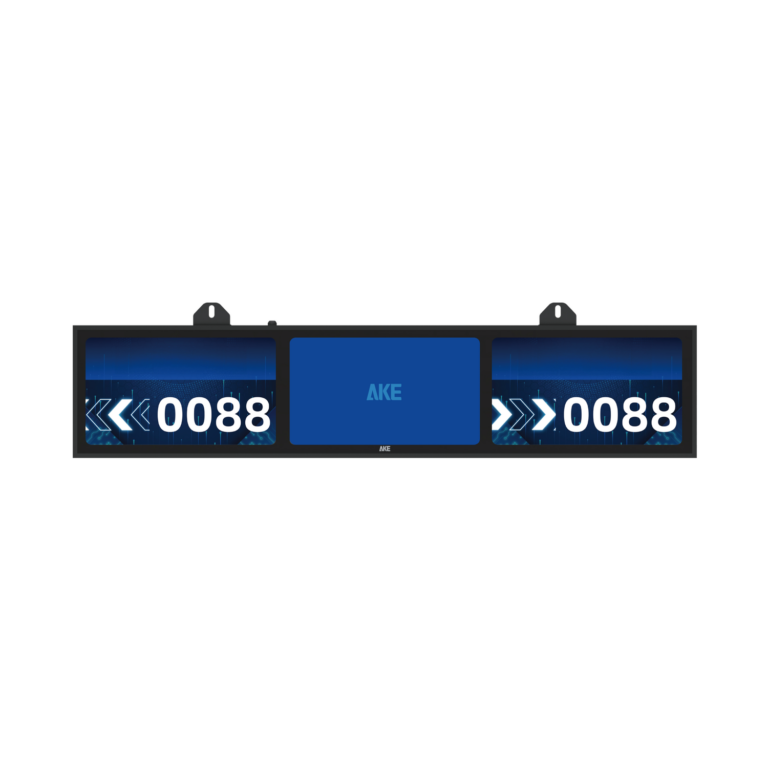
The lot hums like an untuned guitar: drivers circling, signs unread, attendants juggling paper and temper. That mess costs time, reputation, and revenue. Cities and operators need systems that stop the noise — clear displays, accurate direction, minimal friction. A well-placed car parking display calms the chaos; modern parking guidance anchors choices with data. Drawing from vendor interviews, city case studies, and U.S. Department of Transportation (USDOT) research, this piece pinpoints the problems you really face and the practical signals that separate useful systems from attractive clutter.
Start with the pain: what the system must fix
Names and features don’t matter if daily pain points persist. List them, and be ruthless: slow space turnover, confusing routing, unreliable occupancy counts, costly maintenance cycles, or integration nightmares with payments and enforcement. A useful system stops search-driving, reduces staff interactions for routine tasks, and produces reliable metrics without manual reconciliation. Think of each requirement as an instrument in a band — if one is out of tune, the whole set sounds off.
Four concrete selection criteria
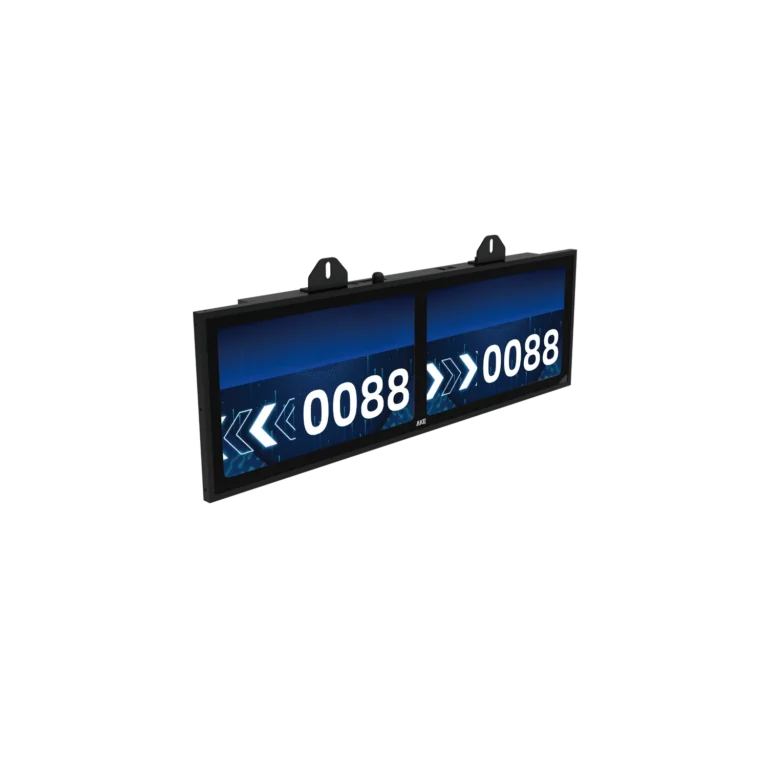
Pick a system that nails these essentials: accuracy under real conditions, compatibility with your payment/enforcement stack, maintainability by local technicians, and clear, readable guidance for drivers. Accuracy means consistent detection across weather and vehicle types. Compatibility means open APIs, not proprietary silos. Maintainability means replaceable modules and remote diagnostics. Guidance means displays and signals that drivers interpret in a glance, not a second thought.
Technical signals to interrogate
Ask vendors for measurable proofs: field accuracy rates, latency between detection and display, mean time to repair, and documented API calls. Request a short pilot in a representative lot, not just a showroom demo. Verify sensor fusion methods (ultrasonic, camera, loop) and whether the vendor uses edge processing or constant cloud dependency. Edge processing keeps latency low. Cloud analytics add value — but only if data transfer, security, and uptime are defined in the contract.
Common pitfalls and how to avoid them
Don’t buy on one shiny metric. Pitfall: counting empty spaces perfectly in a test lane but failing across an irregular lot layout. Pitfall: choosing a system without a maintenance plan — sensors degrade, displays dim, cables get cut. Pitfall: ignoring human factors — tiny text, poor color contrast, or unclear directions defeat even perfect detection. Avoid these by demanding field-proven deployments, an SLA-backed maintenance schedule, and a simple UX test with non-technical users.
Alternatives and quick trade-offs
There are three pragmatic paths. Minimal: basic signage plus intermittent manual checks — cheap, but limited. Hybrid: reliable sensors with local displays and selective cloud analytics — balanced affordability and value. Full-stack: integrated sensors, real-time analytics, enforcement integration, and dynamic pricing — highest cost, highest control. Choose based on throughput, revenue goals, and staff capacity. If turnover is low, a hybrid often outperforms an expensive full-stack roll-out.
Deployment tips that actually matter
Run a 30–90 day pilot that mirrors peak conditions. Define success metrics up front: average time to find a space, occupancy accuracy, and staff hours saved. Train a small maintenance team and log every fault during the pilot — fix lists reveal hidden costs. Calibrate displays for ambient light and test audio cues where applicable. Finally, plan data governance: who owns the telemetry, and how long will it be stored?
Trust but verify: contracting and vendor checks
Insist on service-level agreements that cover detection accuracy, display uptime, and response time for critical faults. Require third-party audit results or verifiable references from deployments similar in scale and layout. Look for transparent pricing: hardware, installation, recurring cloud fees, and spare-part costs. Push for a phased acceptance process tied to measurable outcomes rather than subjective approval.
Final chord: how the right system delivers value
The problem-first path yields practical choices: systems that fix real operational failures, not just look modern. When you’ve tested accuracy, ensured maintainability, and confirmed integration boundaries, you’re choosing outcomes: reduced search time, cleaner operations, reliable data, and happier drivers. That practical clarity is the kind of solution companies like AKE Parking bring into play — measured, grounded, and designed to let the lot finally play in tune.