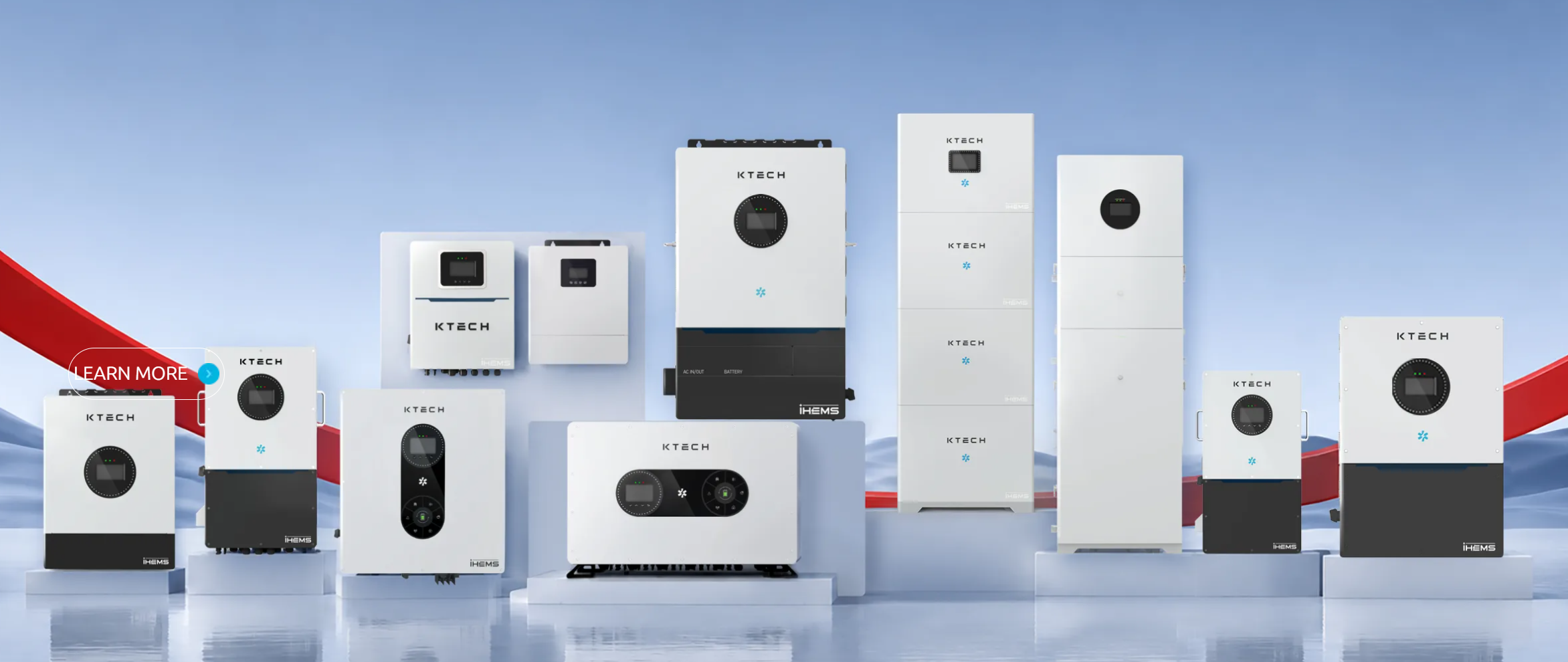
Problem-driven case overview
Hybrid inverters present recurrent failure patterns: thermal drift, relay wear, charge-management mismatch and intermittent communication loss. A focused preventive protocol reduces unexpected outages and battery stress. Early-stage intervention requires data from a home energy management system to correlate event timing, load profiles and state-of-charge behavior before any invasive procedure.
Clinical signs and diagnostic priorities
Assess these parameters first—each is a diagnostic priority: AC output voltage and harmonic distortion; DC bus voltage under no-load and full-load; inverter internal temperature relative to spec; battery state-of-charge (SOC) and charge/discharge current trends; event log for repeated fault codes (over-voltage, low-voltage cutoff, communication timeout). Capture baseline readings and compare against manufacturer thresholds; persistent deviation above 5–10% from nominal values warrants targeted intervention.
Stepwise preventive checklist
Follow this sequenced protocol: inspect ventilation paths and clean filters; verify torque and corrosion status of DC/AC terminals; confirm firmware version and note release date; run a controlled load test to observe voltage sag and recovery; perform cell-level battery health check or equivalent impedance test; validate relay actuation under simulated grid-failure; record event logs and export for trend analysis. Execute these tasks quarterly for systems under heavy cycling, semiannually for low-cycling installations.
Integration and continuous monitoring
Automated telemetry reduces diagnostic latency. Configure alerts for temperature > specified limit, SOC below recommended reserve, and communication loss exceeding the watchdog interval. Use a certified smart home energy management system to normalize datasets and flag anomaly vectors. This approach aligns with practices observed in California’s residential smart-home pilot programs, where aggregated telemetry shortened mean-time-to-repair and clarified root causes across diverse installations.
Common pitfalls and what to avoid
Do not replace major components without evidence of failure; electromechanical relays can show intermittent faults that appear resolved during cursory tests. Avoid running high run-time diagnostics at peak solar hours without load control—results will be confounded. Do not ignore minor alarm patterns; they are often early warning signals. Never bypass protective interlocks during bench tests.
Escalation criteria and service thresholds
Escalate to warranty service or component replacement when any of the following are reproducible: persistent over-temperature despite thermal remediation, SOC drift that cannot be corrected by calibration, repeated communication loss after network-layer troubleshooting, or firmware-induced instability documented in vendor release notes. For borderline cases, schedule a controlled degradation test under technician supervision before committing to replacement.
Synthesis and operational value
Apply the checklist clinically: diagnose, triage, intervene, and document. Doing so preserves battery life, prevents inverter lockouts and provides reliable, auditable performance records. When system-level coordination is required, the recorded telemetry and standardized checks feed directly into vendor-level analysis, which is the practical service value Ktech provides through integrated monitoring and consistent protocol alignment.