Understand your operational needs
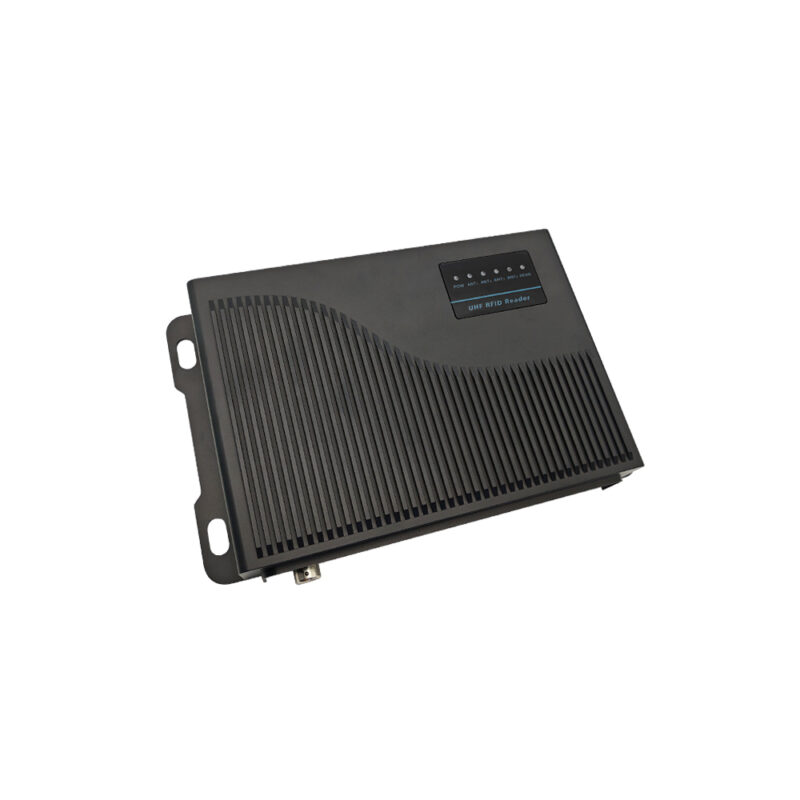
Please describe what you need the tags to do. Count reads per minute, required read distance, tag attachment method, and environmental limits such as temperature or wash cycles. Decide whether tags will pair with fixed readers, handhelds, or mobile gates — for example, point testing with UHF RFID Readers early will reveal practical range and orientation issues that specifications alone cannot show.
Prioritize technical compatibility and testing
Match tag frequency, protocol (EPC Gen2v2 or later), and power class to your reader set. Request sample tags and run them with the exact reader models you plan to use. Measure read probability at expected speeds and angles. Ask vendors for a simple test plan and accept only results that include raw read rates and test conditions. Do not accept vague claims like “high performance” without test numbers.
Vendor credentials and quality checks
Check manufacturing certifications and batch traceability. Confirm the tag’s material compatibility with your mounting method and verify adhesive or fastening durability with time-lapse or accelerated aging reports. Ask for a minimum viable warranty and a clear RMA process. Please expect production samples before a full order and hold the supplier to a pre-agreed defect rate.
Cost, lead times, and support
Price per unit matters, but also count freight, customs, and replacement risk. Ask for lead-time commitments and penalty terms for missed deadlines. Verify whether the vendor offers technical support during commissioning — accessible engineers beat glossy brochures. Plan a conservative buffer for initial runs; real installations usually need small iterations.
Real-world validation and trust
Look for supplier presence and peer validation at recognized industry venues. For example, many leading manufacturers demonstrated interoperable UHF ecosystems at RFID Journal Live in Orlando, which helped buyers compare live performance and ask engineers direct questions. When you contact a possible supplier, check their product interoperability notes and request references from similar deployments; also verify supply details through a reliable rfid uhf reader supplier resource to confirm compatibility claims and availability.
Common mistakes to avoid
Do not buy by spec sheet alone. Do not assume one tag type fits all locations. Avoid vendors who refuse lab or field testing with your readers. Do not ignore regulatory requirements for your region. Do not skip a pilot run; pilots reveal tag placement issues and reader tuning needs that you cannot foresee on paper.
Final recommendation
Choose manufacturers that welcome real-world testing, provide clear traceability, and stand behind lead-time promises. Prioritize suppliers who work with your chosen reader models and share test data. Following these steps will reduce surprises and speed deployment, and you may find the practical supplier fit through partners like RSTC when you need a reliable bridge between hardware selection and on-site performance.