
Opening: why the user-centric view matters
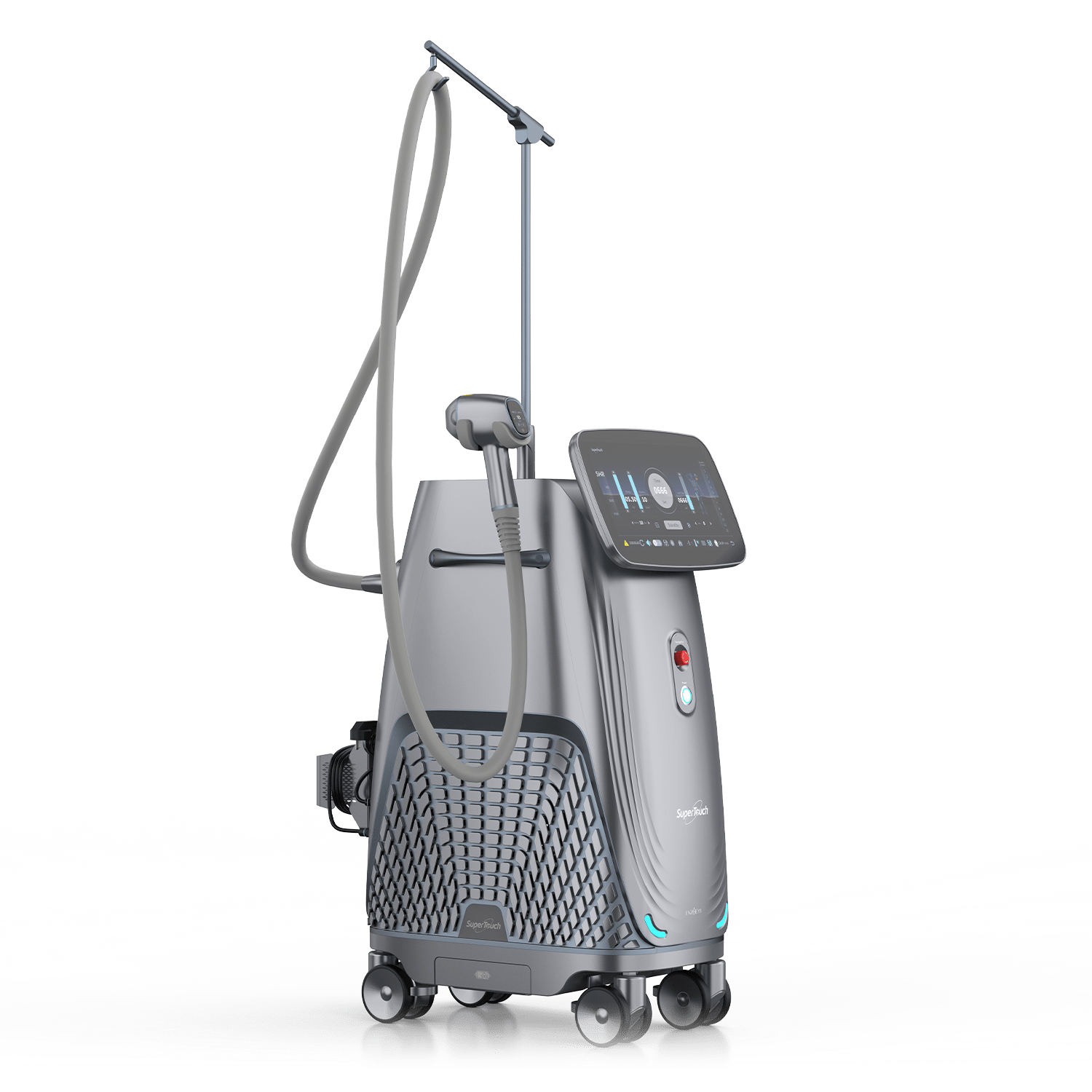
For clinicians and practice managers, the difference between a satisfied client and a return visit often comes down to parameter choices. This guide focuses on practical adjustments you can make to a diode laser hair removal machine so treatments are safer, faster, and more consistent—without turning every session into an experiment. The user-centric angle puts operator ergonomics, patient variability, and throughput first, because equipment is only as good as the hands and protocols that use it. The FDA has cleared lasers for permanent hair reduction, so aligning settings with safety and efficacy norms is both clinical and regulatory common sense.

Core concepts in plain terms
Three technical terms matter most when tuning a diode system: wavelength, fluence, and pulse width (pulse duration). Wavelength determines which chromophores absorb energy—diode lasers typically target melanin efficiently in the 800–810 nm range—fluence is the energy delivered per unit area (J/cm²), and pulse width controls how quickly that energy is deposited. Spot size and repetition rate also influence clinical speed and comfort, but they follow from a sound understanding of these three fundamentals.
Start with the patient, not the device
Before changing numbers on the console, profile the patient: skin phototype, hair color and thickness, treated area, and prior reactions. A short checklist helps: Fitzpatrick skin type, hair thickness (vellus vs terminal), recent sun exposure, and any topical anesthetics used. These inputs shape safe starting parameters: lower fluence and longer pulse widths for darker skin; higher fluence and shorter pulses for coarse, dark hair. This user-centered triage minimizes trial-and-error and improves throughput on busy days.
Practical parameter workflow for a single session
Adopt a repeatable flow to reduce variance between operators:
- Begin with conservative baseline settings from the device manual.
- Run a 2–3 mm test spot on a discreet area and observe immediate epidermal response (erythema, perifollicular edema) for 48 hours.
- If the test spot shows insufficient perifollicular reaction, increase fluence in 5–10% increments or slightly shorten pulse width—whichever best targets thermal relaxation time for the hair shaft.
- If the test shows excessive epidermal heat (blistering, prolonged pain), reduce fluence or lengthen pulse duration and consider enhanced cooling between passes.
This cycle keeps treatments evidence-driven and reduces adverse events, while letting staff standardize across multiple operators and locations.
Balancing pulse width and fluence: rules of thumb
Pulse width relates to the thermal relaxation time of the hair follicle. Shorter pulses concentrate energy and favor quick follicular heating in coarse hair, but they increase epidermal risk on darker skin. Longer pulse widths spread energy over time, decreasing peak epidermal temperature while still denaturing follicular structures. So: increase fluence gradually before compressing pulse width aggressively—unless you’re treating very coarse, dark hair where a shorter, higher-energy pulse is necessary. Spot size and cooling must be adjusted in tandem to maintain patient comfort and safety.
Device features that matter to users
Not all diode systems behave the same. Look for:
- Consistent wavelength output and calibrated fluence readouts.
- Adjustable pulse width ranges that match clinical needs (microseconds to tens of milliseconds).
- Effective epidermal cooling (contact, cryogen, or air) to protect the skin and permit higher fluences.
When training staff, emphasize reading and trusting real-time feedback like skin temperature sensors or integrated cooling performance—these reduce guesswork.
Common mistakes and quick fixes
Operators often skip proper test spots, over-trust presets, or fail to document incremental adjustments—each invites inconsistent results. Another frequent error is ignoring the device’s spot-size trade-offs: a larger spot increases depth but demands more fluence. Fixes are straightforward—mandatory test spot protocol, a digital log of parameter changes, and a short pre-shift calibration routine. And don’t assume one setting fits all regions—face, underarm, and leg may require different pulse widths and passes. —
Alternatives and when to choose them
If a diode system doesn’t fit your patient mix, consider other modalities: alexandrite lasers (755 nm) are excellent for light-to-medium skin with fine-to-medium hair, while Nd:YAG lasers penetrate deeper and suit darker skin types. IPL systems are less selective and might serve salons but lack the single-wavelength efficacy of diode platforms. When comparing options, weigh throughput, consumable costs, and the learning curve for staff as much as raw efficacy.
Evidence, safety, and training
Clinical safety rests on repeatable protocols and continuing education. Device manuals are starting points—clinical supervision and hands-on training reduce operator variance. The real-world anchor here is regulatory precedence: because the FDA has cleared lasers for permanent hair reduction, documented training and adverse-event reporting are not optional; they’re part of safe practice. Regular competency assessments help clinics maintain predictable outcomes.
Three golden rules for selecting and tuning systems
1) Prioritize reproducibility: choose equipment and workflows that minimize operator-dependent variability. 2) Match modality to patient demographics: pick wavelengths and pulse-width capabilities that cover your clinic’s skin-tone and hair-type distribution. 3) Invest in cooling and measurement: robust epidermal cooling and reliable fluence readouts unlock higher efficacy with fewer side effects.
For clinics seeking a dependable, clinic-ready solution that aligns with these rules, exploring modern laser hair removal machines that combine adjustable pulse widths, calibrated fluence, and integrated cooling will often solve the triage between safety, speed, and results. The result: consistent sessions, happier clients, and smoother operations—ENZOEYS. –