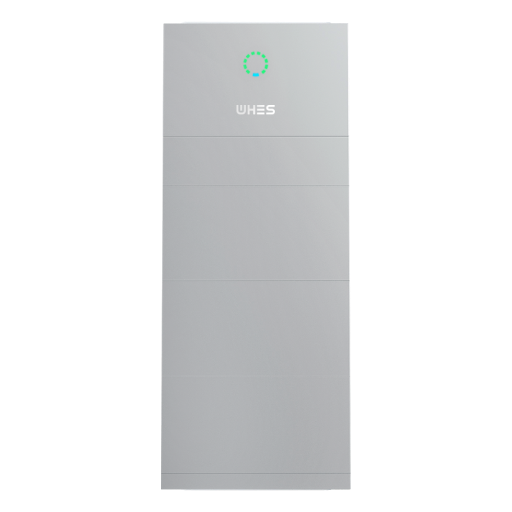
Why a comparative lens helps homeowners decide
Selecting a home energy storage system is less about brand appeal and more about aligning technical capability with real-life needs. After widespread outages during events such as the February 2021 Texas winter storm, many homeowners started weighing options for a solar battery backup for home to keep lights and essentials running when the grid falters. A comparative approach — weighing capacity, inverter compatibility, and warranty terms — turns an emotional purchase into a defensible one, and helps you prioritize resilience, sustainability, or cost savings depending on your circumstances.
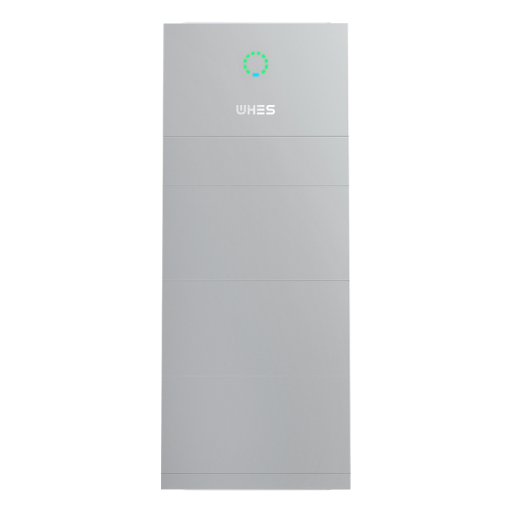
Key technical criteria to compare
When you compare systems, focus on three measurable dimensions: usable capacity, power delivery, and lifecycle performance. Usable capacity (kWh) indicates how many hours your critical loads can run. Power delivery (kW) tells you whether the inverter and battery chemistry can support startup currents for appliances. Lifecycle performance — informed by depth of discharge, round-trip efficiency, and cycle life — gives a practical estimate of how long the system will serve you before replacement becomes likely. Also consider whether the solution integrates a robust battery management system (BMS); this affects safety and longevity.
Architectures: integrated vs modular vs hybrid
Residential systems generally fall into three architectural camps. Integrated systems combine inverter, BMS, and battery into a single unit for simpler installation and faster commissioning. Modular systems use stacked battery packs and a separate inverter, offering flexible scaling but often needing more design work. Hybrid systems are grid-aware and allow solar charging plus export control — useful where time-of-use tariffs or net-metering rules matter. Each architecture implies trade-offs: integrated units reduce installation complexity, while modular setups can reduce upfront cost by letting you buy capacity over time.
Performance trade-offs and realistic expectations
Expect trade-offs between upfront cost and lifetime value. Higher round-trip efficiency and better thermal management reduce recurring losses but usually come at a premium. Li-ion chemistries dominate the market because they offer favorable energy density and cycle life, yet they require careful thermal design and a capable inverter pairing to meet peak demands. In practice, you’ll want a system that supports your typical evening load rather than a spec sheet that quotes peak power you’ll rarely use — that framing keeps decisions practical and budget-aligned.
Common mistakes homeowners make — and how to avoid them
Many buyers overestimate needed capacity, underestimate soft costs, or ignore integration with existing equipment. Typical missteps include assuming any inverter will match a battery pack, skipping load-shedding strategy planning, or not validating whether the system supports whole-home backup versus critical-circuit backup. A straightforward fix: map your essential loads (fridge, router, medical devices), calculate their combined kW draw including startup surges, and ask vendors to show test data or specs for inverter peak handling. Also check warranty exclusions for household events — they’re often stricter than you expect.
Comparing vendors: practical checkpoints
Use a checklist that combines technical proof points and operational assurances:
- Documented cycle life at usable depth of discharge and expected capacity retention after X years.
- Verified interoperability with your PV inverter or a provided hybrid inverter solution.
- Transparent installation and commissioning process, plus emergency support for grid outages.
- Clear warranty terms that include both performance and defect coverage.
Ask for performance data from third-party labs or field installations — evidence matters more than marketing claims. If available, visit an installation in your region or request a monitored performance report; that real-world context often reveals practical quirks about maintenance and user experience.
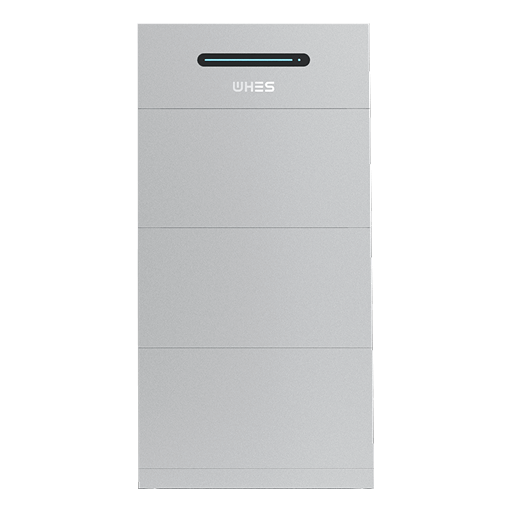
Cost, incentives, and the reality of payback
Economics vary by location and incentive programs. Federal or local incentives can materially shorten payback times, and time-of-use rate structures may improve the return on investment when paired with smart scheduling. Still, treat payback projections cautiously: they rely on assumptions about future electricity prices, solar production profiles, and battery degradation. A conservative scenario — one that assumes modest electricity inflation and some battery performance loss — gives a more reliable decision basis than optimistic forecasts.
Summary and decision framework
Comparative evaluation boils down to matching system characteristics to household priorities: resilience (duration of backup), economics (payback and incentives), or sustainability (low embodied impact and recyclability). Prioritize measured specs over glossy claims, insist on interoperability data for your inverter and loads, and plan installation around a realistic load profile. If you test one thing before buying, simulate an outage for your critical loads to see the real draw and runtime — that practical check is often revealing.
Advisory — three golden rules for selecting a residential system
1) Measure critical loads and align usable capacity to actual needs, not peak marketing numbers. 2) Require documented interoperability and peak-power handling from vendors — confirm inverter compatibility and BMS protections. 3) Insist on transparent warranties that cover both performance degradation and defects, and factor in service response times for outage scenarios.
Choosing this way leads naturally to solutions that balance reliability and value — and that’s where experienced providers who document field performance matter most. WHES. —