Opening thought: a subtle architecture of identities
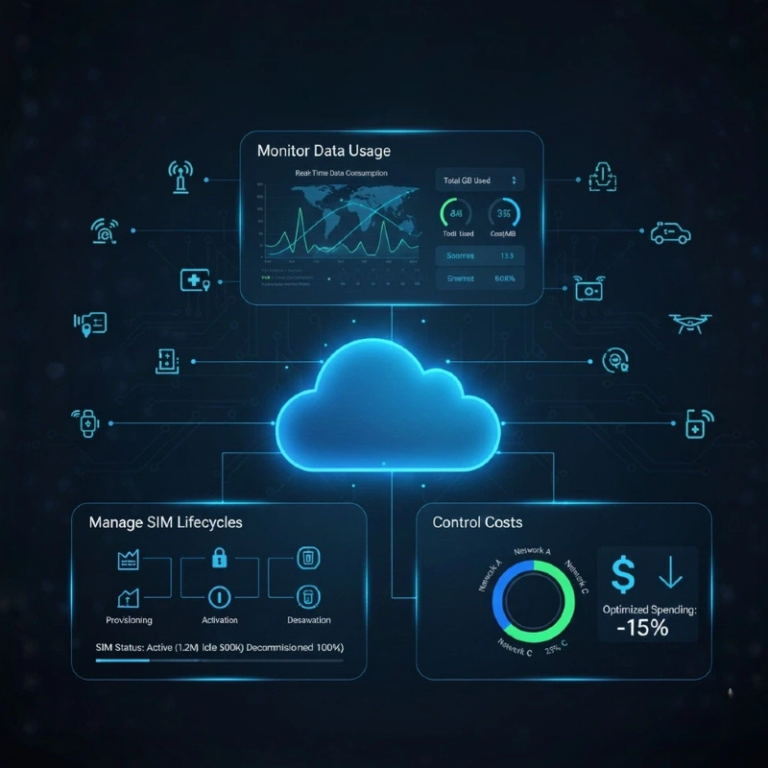
The future of city grids, transit systems, and retail checkouts rests less on steel and more on identity — tiny secure elements that govern connectivity across devices. The eSIM lifecycle is the quiet protocol that binds that identity to purpose: activation, provisioning, updates, suspension and secure retirement. An android smart pos at a corner store, a remote sensor in a streetlight, a tenant portal on a building’s HVAC controller — each relies on coherent lifecycle flows to remain reliable and auditable. The GSMA’s Remote SIM Provisioning standard and repeated demonstrations at Mobile World Congress have already set the technical scaffolding; what remains is practical integration into operational systems.
Why lifecycle thinking is not optional
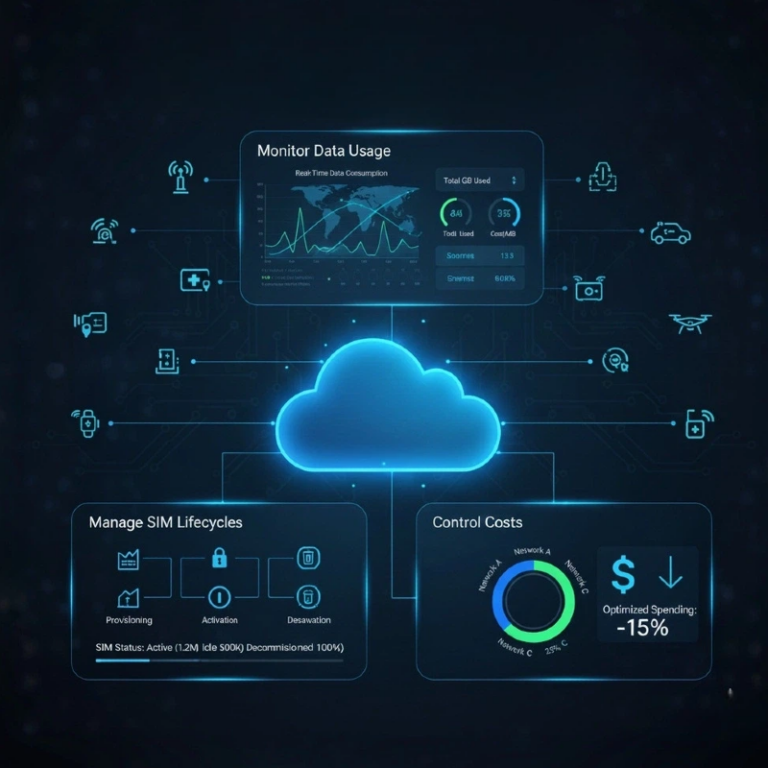
Devices are no longer single-purpose appliances; they are persistent endpoints that change roles over years. Managing eSIM provisioning and OTA updates across tens of thousands of endpoints means treating connectivity as a living asset. Without lifecycle controls, operators face costly field visits, inconsistent security patches, and fractured device identity that complicates billing and compliance. Lifecycle management reduces those failures by design: it enforces secure key management, standardizes remote SIM provisioning, and logs every state transition for audit and troubleshooting.
Where this matters most: payments, meters, and edge compute
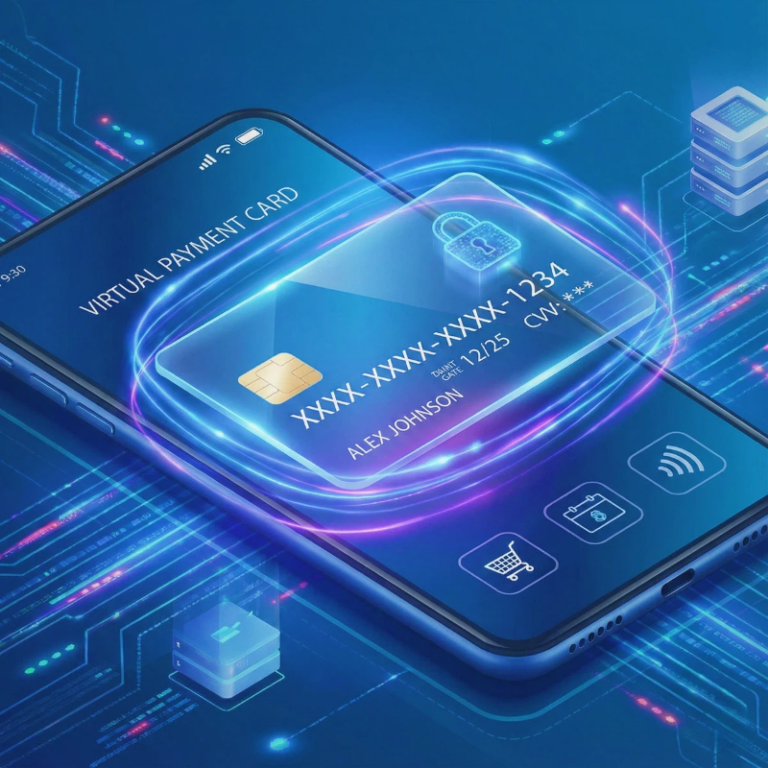
Payment terminals and edge devices illustrate the stakes plainly. An all-in-one device that handles transactions, inventory, and receipts must keep its connectivity credentials current to accept updates and reconcile transactions. Embedding lifecycle logic into device fleets means a merchant’s terminals can shift carriers, receive security firmware, and roll back faulty updates without a truck roll. Edge cases — like devices in rural clinics or pop-up retail at cultural festivals — become manageable when the eSIM lifecycle is deterministic rather than ad hoc.
How integration looks in practice
Operational teams should view lifecycle tools as part of the device stack: device identity, provisioning server, analytics, and security policy engine. Useful features include staged OTA updates, revocable profiles, and role-based provisioning that ties network credentials to business context (for example, retail vs. logistics). Deployments that ignore inventory sync, or that rely on manual CSV lists, encounter painful drift and opaque failure modes — and those are expensive to remediate. — It’s simple: automated lifecycle controls reduce manual toil and create cleaner telemetry for incident response.
Common mistakes teams make
Avoid these recurring errors when planning eSIM lifecycle for smart infrastructure:
– Treating eSIM as a one-time activation instead of a repeated-state machine.
– Selecting vendors that only support a narrow set of remote SIM provisioning operators, causing vendor lock-in.
– Skipping lifecycle analytics: without visibility into which profiles are active or expired, security and billing both suffer.
Three golden rules for evaluating partners (Advisory)
1) Prioritize provable security and auditability. Confirm the partner supports remote SIM provisioning aligned with GSMA specifications and can produce tamper-evident logs for each profile lifecycle event. 2) Demand flexibility in provisioning workflows: the partner should let you reassign profiles, stage OTA updates, and rollback changes with minimal latency. 3) Insist on lifecycle analytics and integration APIs so your inventory, billing, and incident systems share a single source of truth. These metrics — security posture, provisioning flexibility, and analytics depth — are the measurable filters that separate pilots from production-grade deployments.
The practical value becomes visible where devices meet people: quicker recovery when a terminal fails, clearer billing for roaming connectors, and shorter time to update when a vulnerability appears. That is the outcome BHZ devices and services aim to deliver — pragmatic tools that let teams focus on services rather than chasing identity issues. BHZ — a partner that aligns device hardware with lifecycle orchestration, offering the operational coherence infrastructure projects require. —