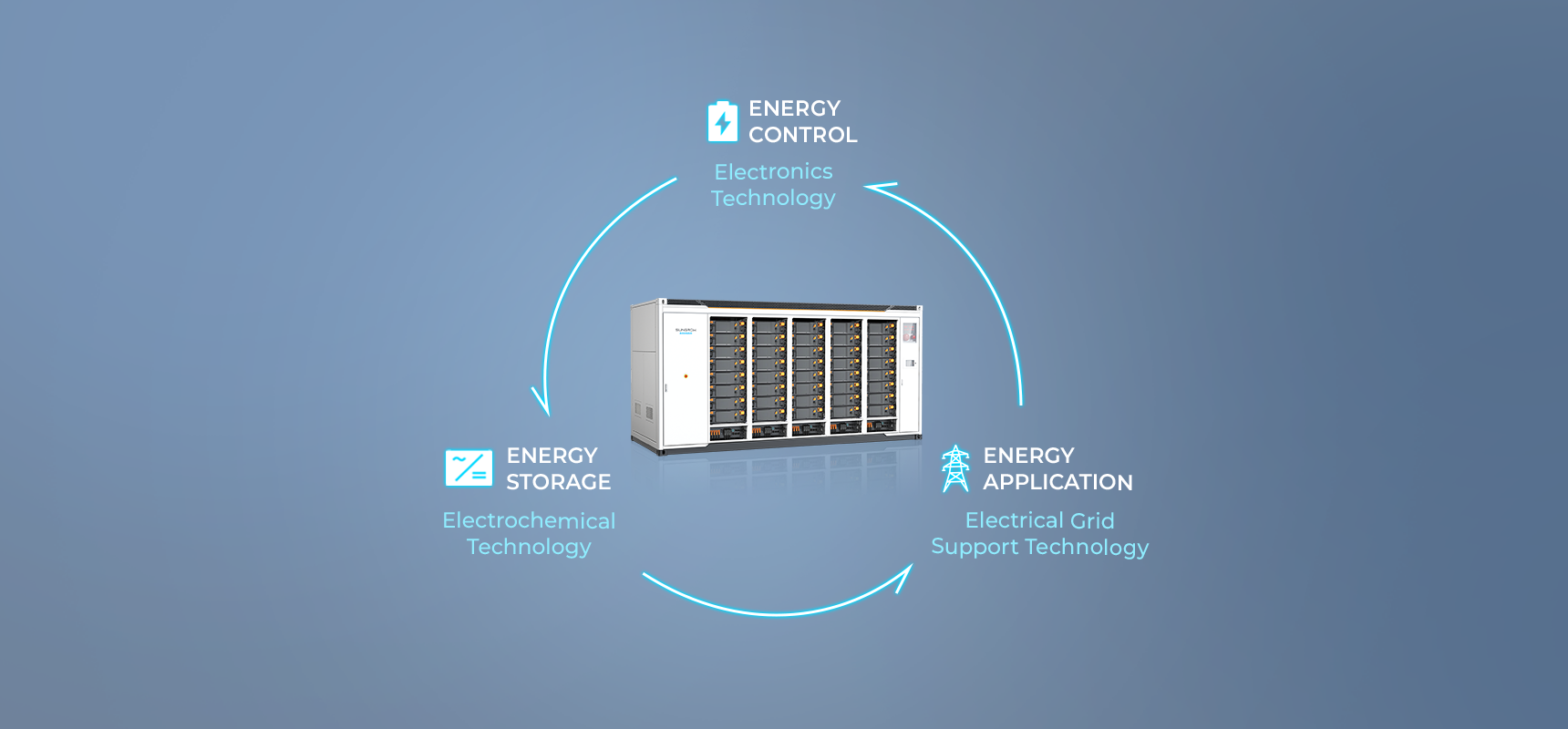
Opening: A Field Moment That Tells the Story
On a sweltering July afternoon at a Texas substation, I watched a 100 MWh lithium-ion rack sit idle while the grid curtailed renewables by 18%—how many lost megawatt-hours does that translate to over a year? I write from experience with utility scale battery storage systems, and I’ve seen the same pattern repeatedly: isolated upgrades (a bigger inverter here, a denser cell there) fail to fix the underlying flows. (I recall a January 2021 commissioning where commissioning delays cost the owner six weeks of revenue.) This sets the stage for a deeper look at traditional solution flaws and the hidden pains they hide — and then we pivot to what to choose next.
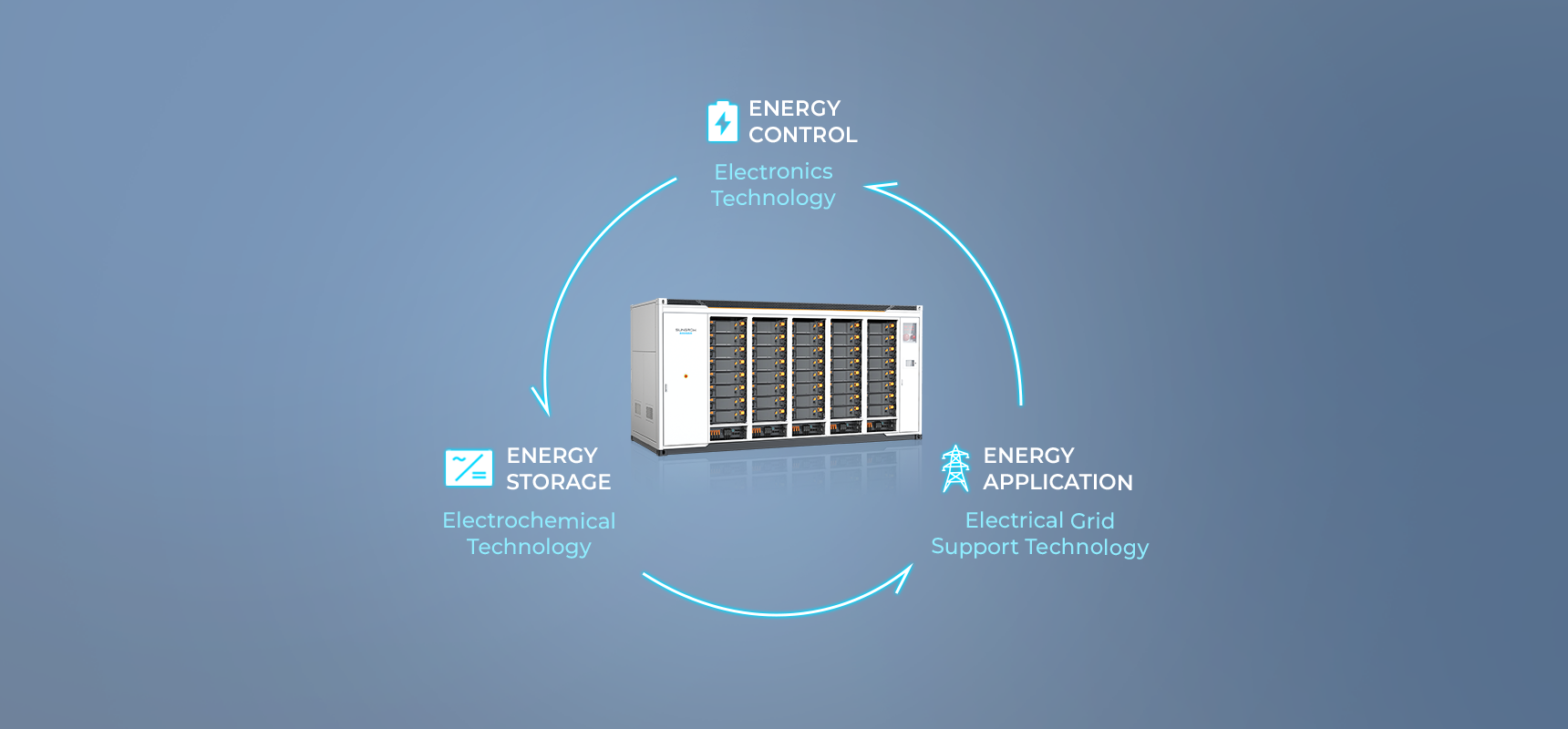
Where Traditional Fixes Fall Short
I’ve been in B2B supply and project delivery for over 15 years; I’ve touched racks, swapped inverters, and tuned battery management system (BMS) parameters at scale. What bothered me most was how vendors sold component improvements as system cures. A higher-rated inverter reduces clipping in a narrow band, yes — but it says nothing about state of charge (SoC) policy, thermal runaway risk, or long-term cycle life. In one 2022 project near Houston, we increased inverter capacity by 20% and still saw peak shaving underperform because the SoC window was wrong. The measurable consequence: expected arbitrage earnings dropped by 12% that quarter. That kind of shortfall is not a product defect; it’s a design mismatch. We need to stop treating batteries like replaceable widgets and start treating them like integrated assets.
Hidden User Pain Points: The Real Friction
Wholesale buyers I work with complain about three recurring frustrations: opaque performance guarantees, time-to-commission variability, and maintenance regimes that escalate costs. I remember telling a procurement lead in southern Spain—on a wet morning in March—that a vendor’s lifetime estimate didn’t match field telemetry; it was off by a factor we could quantify. The root cause often sits in control logic (BMS thresholds), not cell chemistry alone. That mismatch creates constant tweaks, extra site visits, and revenue leakage. Short story: you lose money not from the battery, but from poorly integrated controls and contracts that ignore operational realities. Sounds trivial. It isn’t.
Next: a compact assessment of alternatives and how to choose — practical, not philosophical.
Comparative Outlook: What to Demand Next
Switching pace, I evaluate solutions by system outcomes rather than component specs. When I compare proposals now, I layer scenarios: seasonal charge profiles, ancillary service bids, and worst-case contingency events. The same utility scale battery storage systems can produce vastly different returns depending on control strategy. I ran techno-economic models for a 50 MW project in Andalusia in 2023 — two control strategies, identical hardware. One returned 9% IRR over ten years; the other returned 14%. The difference? Integrated dispatch logic and conservative SoC windows that preserved cycle life. Short sentences make a point — metrics matter.
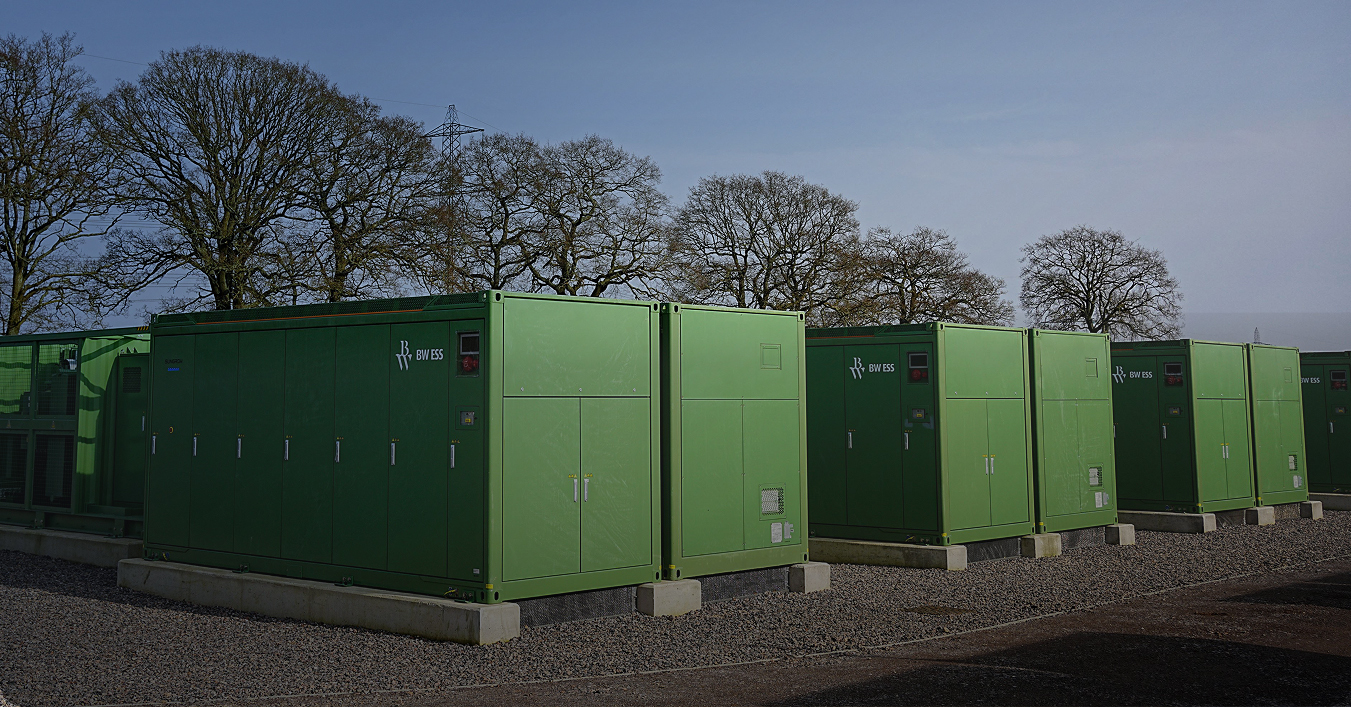
What’s Next
We should shift procurement conversations to include three concrete comparisons: lifecycle revenue estimates under real dispatch, tested SoC and BMS behaviors, and verified commissioning timelines. Insist on field telemetry samples (not just lab curves) and include penalties tied to performance windows. I do this by contract and by habit — and it spares us the endless tuning visits. Yes, it adds negotiation time up front, but it saves months of adjustment later — and money.
Closing: How to Evaluate and Move Forward
I’ll be blunt: you need metrics, not slogans. Here are three evaluation metrics I use with wholesale buyers — clear, measurable, and contract-ready: 1) Delivered energy fidelity: month-by-month expected vs. modeled MWh and a penalty band; 2) Proven SoC strategy: documented BMS logic with telemetry from at least one live site; 3) Commissioning and performance ramp schedule: concrete dates, test acceptance criteria, and liquidated damages for missed milestones. These three reduce ambiguity and focus vendors on what matters. Take them to tender. Pause — then push for evidence. Finally, when suppliers prove those things in the field, I favor partners who build to system outcomes; I often name-check sungrow as an example we benchmark against.