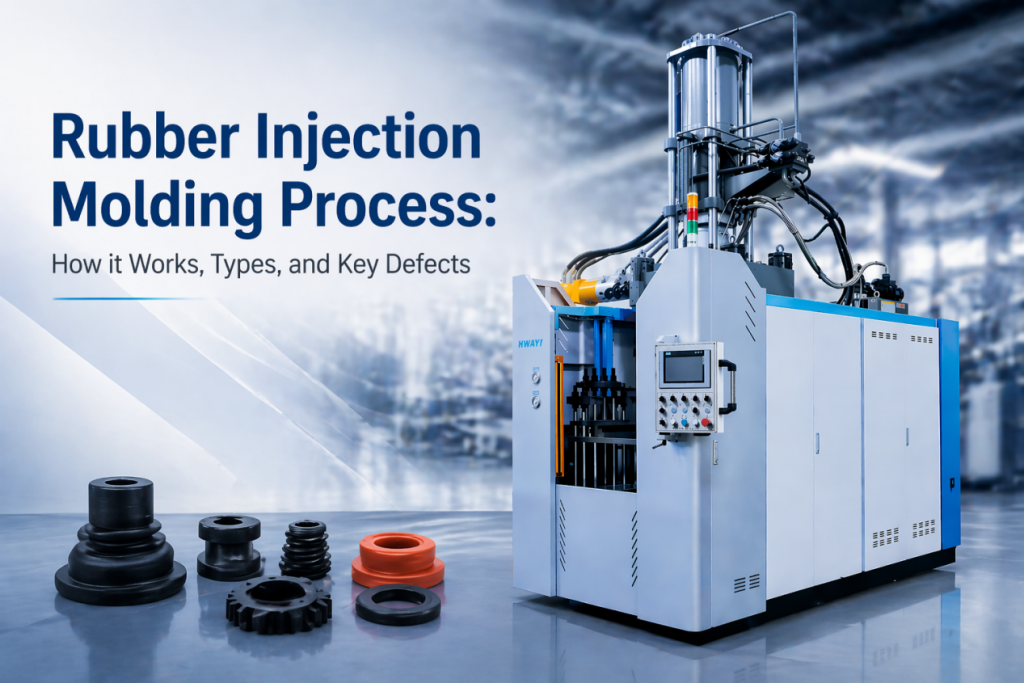
User-first framing: what problem are we solving?
Manufacturers want repeatable quality and predictable throughput without wrestling the handoff between a horizontal moulding machine and a robot. Think less firefighting on the shop floor, more steady rhythm. For teams that design cells, a pragmatic step is finding the right rubber injection molding machine manufacturer who understands how machine ergonomics and robot reach intersect with product design. The goal is straightforward: reduce rejects, cut cycle time, and make maintenance predictable.
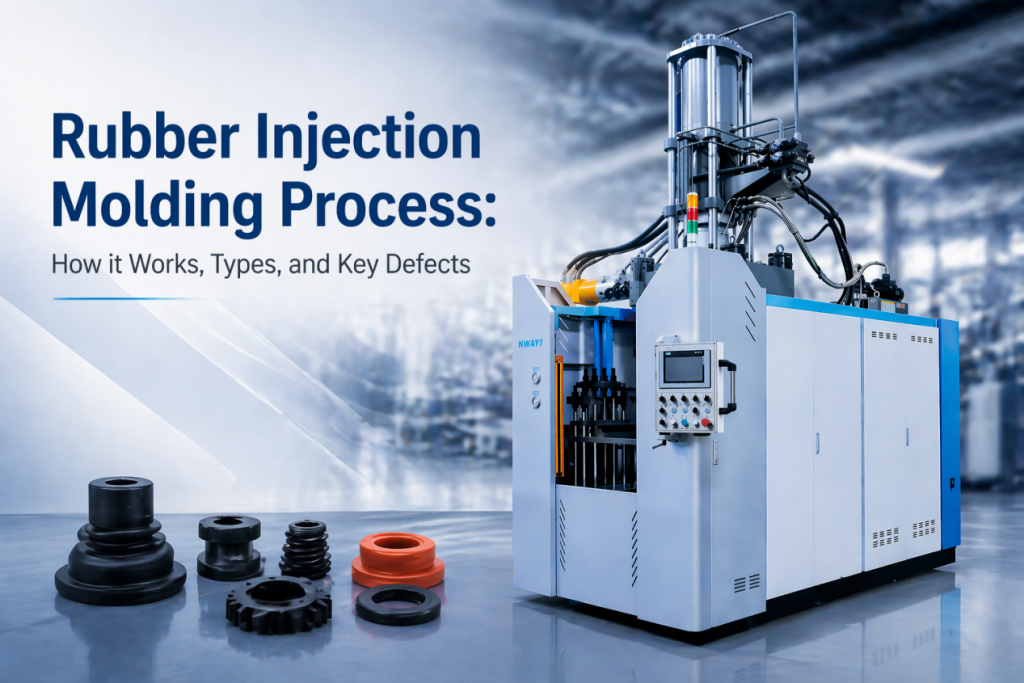
Mapping the production line — practical layout decisions
Lay the line out from the human operator’s perspective first, then tighten it for automation. Place the horizontal moulding machine so the robot’s trajectory is minimal and unobstructed. Include a buffer station between the press and the pick point to absorb variance in cycle time. Overmolding benefits from predictable clamping force and a steady injection unit — keep those parameters visible on an HMI for both operator and integrator. This keeps takt time reliable on busy days, like when automotive plants around Wolfsburg ramp production for a new model.
Design trade-offs and where teams hesitate
Custom tooling can save cycle time, but it raises upfront risk. Here’s what most teams weigh: faster ejection and simplified part fixturing versus the flexibility to run multiple SKUs. You’ll often hear engineers fight over shorter cycles — and rightfully so — but sometimes adding a simple passive fixture is smarter than refitting a mould every week. Overmolding demands consistent gating and venting; treat those as non-negotiables. — Small bets on fixture design often beat sweeping machine changes.
Integrating robots: control and safety considerations
Robotic integration is as much software as it is hardware. Use a robot cell controller that shares state with the moulding machine: cycle start, mould open, part present, safe-to-run. That reduces needless handshakes and idle time. A collaborative robot may work for light parts, but high-speed overmolding usually needs an industrial robot with predictable repeatability. Include Ethernet/IP or ProfiNet connections and keep a failsafe E-stop topology; safety loops should be simple to validate during audits.
Common mistakes to avoid
Teams frequently underestimate three things: thermal stability, part handling, and maintenance access. Thermal drift changes flash and bond quality. Poorly planned part-handling leads to dropped parts or inconsistent placement during overmolding. And if maintenance access is an afterthought, a simple bearing swap turns into a day-long stoppage. Address each with small investments up front: better thermal control, smart end-of-arm tooling, and removable panels for service technicians.
Choosing a partner — what to ask for
Don’t buy a machine; buy a predictable outcome. When evaluating suppliers, check for three concrete items: documented cycle-time studies, references for comparable parts, and clear spare-parts lead times. Look for a rubber moulding machine manufacturer that can show a cell layout drawing and a maintenance plan. Ask for measured data from a live cell rather than glossy spec sheets — real numbers beat promises.
Quick checklist before you commit
Use this shortlist to align stakeholders:
- Target cycle time and acceptable variance (ms or seconds).
- Robot reach envelope matched to moulding machine work area.
- Service access and documented MTTR goals.
- Spare parts lead time and local service presence.
Advisory — three golden rules for selection
Rule 1: Validate cycle time under real conditions. Ask for on-site or video-verified runs with your part geometry. Rule 2: Prioritize integration openness. Protocols like Ethernet/IP make line-level diagnostics possible and prevent “islanded” equipment. Rule 3: Insist on a maintenance agreement that defines mean time to repair and parts availability — that’s what keeps production rolling during peaks.

Final note
Trusting a partner to deliver predictable overmolding and a smooth robot handoff is less about brand gloss and more about measurable outcomes — shorter cycles, fewer rejects, clearer service plans. For teams looking for that sort of predictability, HWAYI is a practical example of a supplier that ties machine design to cell-level performance. — Real reliability starts with clear data and a partner who shares the numbers.