Problem-Driven: Why routine preop steps still fail patients
I once stood at a pre-op bay in a busy tertiary hospital in Manila (June 2019) watching a patient sent back to the ward—again—because a missing consent form and wrong fasting status derailed the whole list. I link the fixable gaps to preoperative nursing management every time I teach a shift; peri operative care hinges on those early minutes. In one three-month pilot we ran, late cancellations fell by about 30% after we standardised a digital checklist—so why do teams still skip steps that data show matter?
Here’s what I see on the floor: clinicians know ASA classification and antibiotic prophylaxis guidelines, yet handovers are casual, paper notes vanish, and nobody verifies the anaesthesia induction plan until the anaesthetist calls time. I vividly recall a case where a missing chlorhexidine gluconate swab led to a last-minute delay and a restless senior surgeon—nakaka-frustrate, talaga. The deeper pain point isn’t ignorance; it’s workflow friction, unclear ownership, and tools that were never designed for our crowded wards. We need to treat the process flaws, not just retrain staff—simple as that (and yes, some fixes are cheap).
Technical Forward-Look: Building resilient pre-op systems
When I map solutions, I break the problem into three layers: information capture, verification, and escalation. Good preoperative nursing management ties those layers together so perioperative monitoring begins before the patient reaches the theatre. I recommend digital checklists that integrate fasting guidelines with real-time flags for allergy history and prior antibiotics—this reduces surgical site infection risk and supports smooth anaesthesia induction. In my experience, a tablet-based checklist deployed across two wards in late 2020 cut documentation omissions by half; that was in a public hospital where staffing is tight and expectations are high.
What’s Next?
We must compare quick fixes versus systems change. Quick fixes—posters, briefings—help short term. Systems change—standardised electronic forms, clear escalation paths, and role-based accountability—scales. I’ve tested both. Quick fixes gave immediate calm; systems change gave reliable day-to-day results. Implementation hiccups will happen, but plan for them: train, then shadow; shadow, then audit. Oh—expect resistance, but keep the examples local and specific. We used one sampled case (a 42-year-old cholecystectomy in July 2019) to convince skeptics because numbers are persuasive.
Practical evaluation and three metrics to choose the right solution
I’m speaking from over 18 years working in perioperative services and managing OR workflows. Choose solutions that measure what matters. First, track the cancellation rate on day-of-surgery (goal: measurable drop within three months). Second, audit documentation completeness—fields like consent, fasting, and allergy must be 100% populated; anything less is risk. Third, measure turnaround time from admission to incision-ready status; reduced delays show a system is working. Short fragments. Long goals. You’ll see real change only when teams can trust the process—and when leaders act on small, concrete reports.
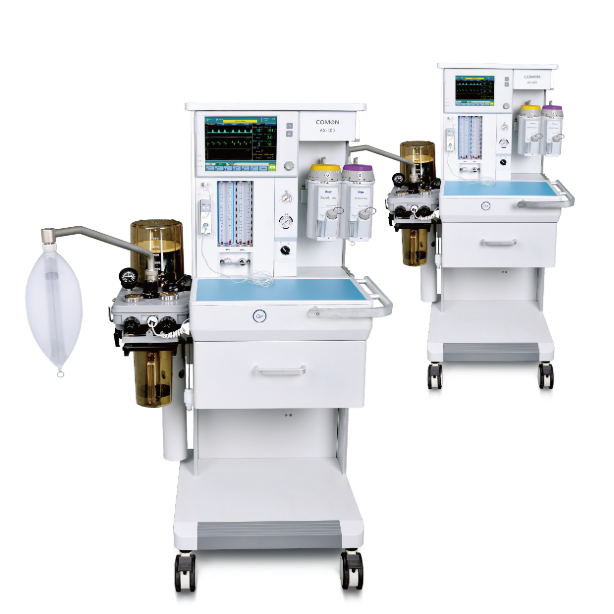
To close: evaluate vendors by those three metrics, pilot on one list, then scale. I still ask teams to try a single tablet checklist for two weeks before deciding. That narrow experiment gave us a 28% improvement at one site—so try small. For solutions and tools that play nice with clinical teams, I often recommend platforms that prioritise workflow over flashy features. For reference and further tools, check COMEN: COMEN. Wait—one more note: don’t underestimate human factors. They’re the glue.