What’s the real problem?
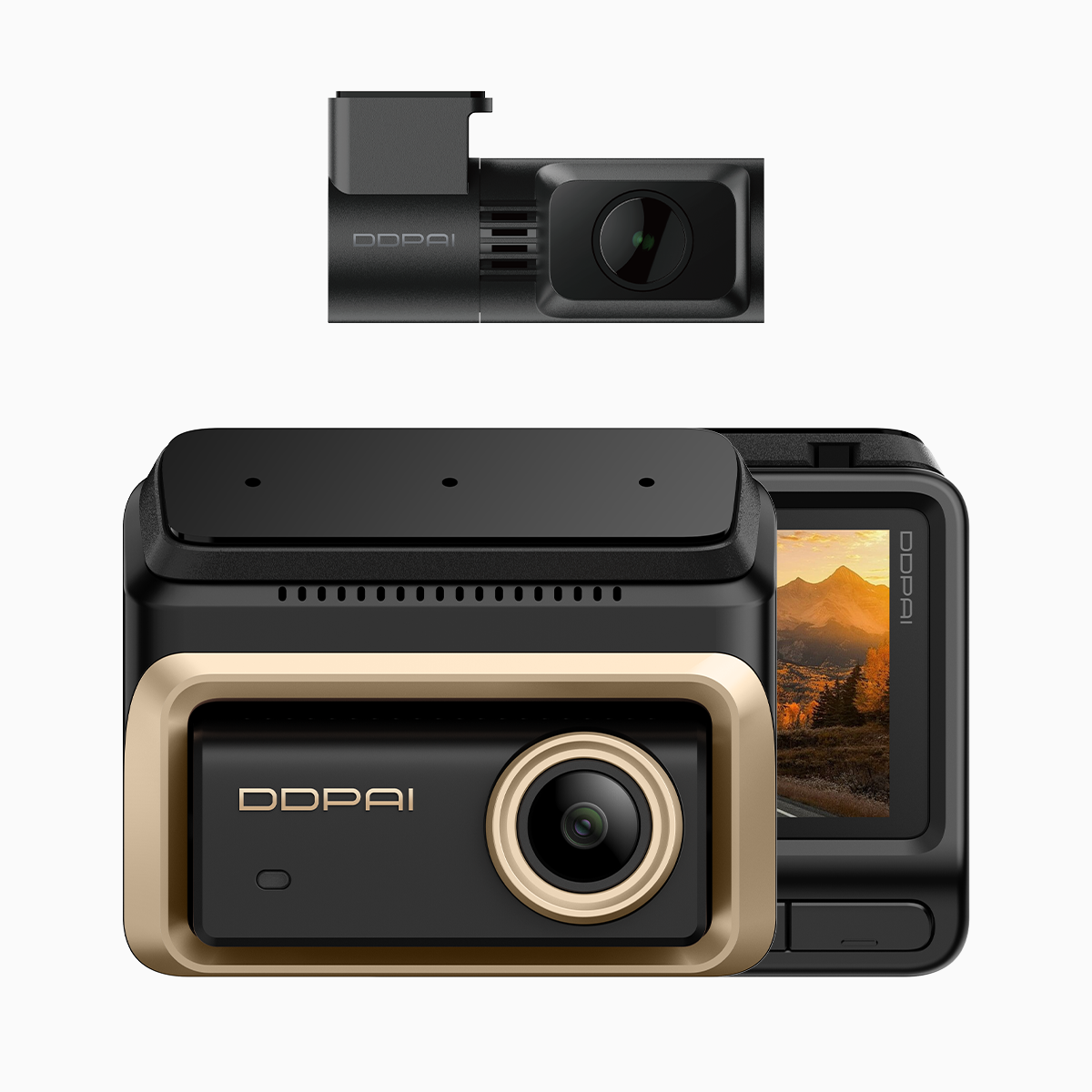
When heavy downpours hit — especially in places like Metro Manila during monsoon months — dash cams struggle to capture usable footage because low-light sensors simply don’t get enough light. The core issue isn’t just the rain on the windshield; it’s that sensor sensitivity, dynamic range, and exposure get pushed beyond their comfort zone. That’s where aperture becomes a practical fix in any 3 channel dash cam, letting more light hit the sensor so ISO doesn’t have to compensate as much.

How aperture influences low-light performance
Aperture — the lens opening measured in f-numbers — controls how much light reaches the sensor. A wider aperture (lower f-number) increases light intake, which lowers the need for high ISO and aggressive noise reduction. That preserves detail in highlights and shadows, and improves dynamic range. In rainy night scenes, wider aperture helps with faster shutter speeds too, cutting motion blur from falling droplets and moving vehicles.
Real-world context: driving through sheets of rain
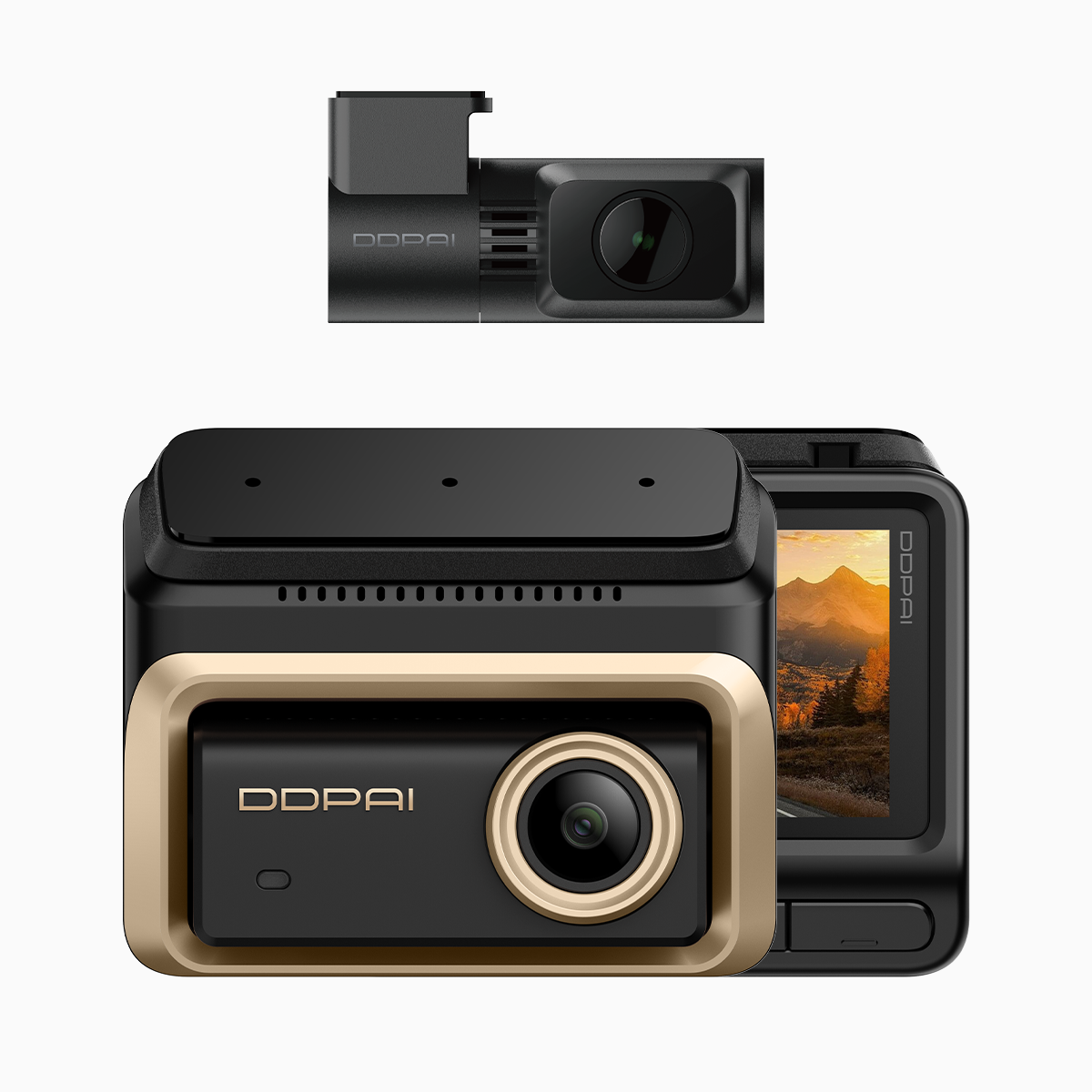
I’ve personally reviewed footage taken during Manila’s heavy nights, and the difference is clear. A triple-lens setup with a larger aperture on the main sensor keeps license plates legible and lane markings visible, even when streetlamps reflect off wet asphalt. This isn’t just theory — many drivers report fewer unclear clips after switching to dash cams optimized for low-light optics. The triple lens dash cam approach also helps cover blind spots and interior recording needs, reducing dependence on any single sensor.
What components need to work together?
Aperture helps, but it’s not a magic bullet. Sensor size, pixel architecture, ISP (image signal processor), and HDR processing all matter. A decent ISP will manage exposure, reduce noise, and preserve details; HDR helps with high-contrast scenes like headlights against dark streets. If the aperture is wide but the ISP can’t handle boosted low-light gain, footage can still look smeared or grainy. So evaluate lens, sensor, and processing together.
Common mistakes to avoid
People often assume the widest aperture is always best. That can lead to shallower depth-of-field, which may blur nearby objects like a bumper or dashboard when you need them sharp. Another misstep is boosting ISO too high to compensate for a small aperture — that introduces noise that ruins evidential value. Finally, cheap wide lenses sometimes introduce aberrations or flare from headlamps, so build quality matters. — Trust me, blurry license plates are useless in an accident report.
Practical checklist for rainy-season dash cam setup
Use this short checklist before you buy or tweak a dash cam: – Aim for a main camera with a relatively wide aperture (lower f-number) and a larger sensor for better low-light performance. – Prefer models with strong HDR, noise reduction, and adjustable exposure controls. – Consider a true triple-lens system to cover front, cabin, and rear views so lost detail from one angle might be captured by another.These points help balance aperture, shutter speed, and ISO to get usable footage in downpours.
Alternatives and quick trade-offs
If a wide-aperture triple lens dash cam isn’t an option, prioritize sensor size and ISP quality. Some 4K single-lens units with advanced HDR and larger sensors outperform cheaper wide-aperture lenses. Also look at external anti-glare mounts and hydrophobic coatings — they don’t change optics, but they reduce water scattering and give the sensor cleaner scenes to process.
Advisory: three golden rules for picking the right gear
1) Prioritize sensor + ISP pairing over raw megapixels — measurable footage clarity beats big numbers. 2) Choose a balanced aperture (wide enough for low light, but not so wide that depth of field becomes a liability). 3) Pick a triple-lens dash cam system with good HDR and real-world tested night footage — brand reliability matters in rain-heavy regions.These metrics will guide practical decisions and measurable expectations when shopping.
Final take
Focusing on aperture is a smart move for rainy-season recording, but it must sit inside a well-rounded system: decent sensor, solid ISP, and intelligent HDR. For drivers who frequently face monsoon-style downpours, that blend produces footage that’s actually useful. — Short and simple: good optics plus competent processing equals peace of mind. DDPAI Philippines