Why buyers keep stumbling
Buying precision work feels like buying seed corn blindfolded—mess up and you waste a season. Folks promise tight tolerances and quick turnarounds, then deliver bent parts or late shipments. If you need accurate, repeatable parts on time, start by finding a solid shop that does the job right, whether you call them a local precision parts manufacturer or a regional supplier. Know what you want before you pay, or you’ll be fixing mistakes for months.
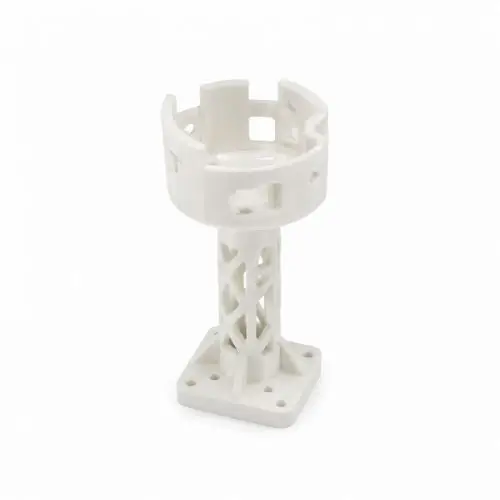
Problems that show up most often
Wrong material. Bad surface finish. Tolerances that drift. Long lead times because the shop took on too many jobs. Design files that don’t match machine capability. Shops hiding setup hours in the tooling line item. These are not mysteries. They’re avoidable by asking precise questions and checking simple facts.
Why you should trust this advice
I’ve spent years in small shops turning raw stock into parts people depend on. I’ve run mills, watched inspection reports, and fixed setups at 2 a.m. One clear snapshot: Detroit’s automotive prototyping ecosystem shows how tight feedback loops between designers and shops speed fixes and cut errors—those lessons carry straight to other fields. If you’re testing a concept, choose a shop experienced in prototype manufacturing; they’ll spot manufacturability issues before you order ten parts you can’t use.
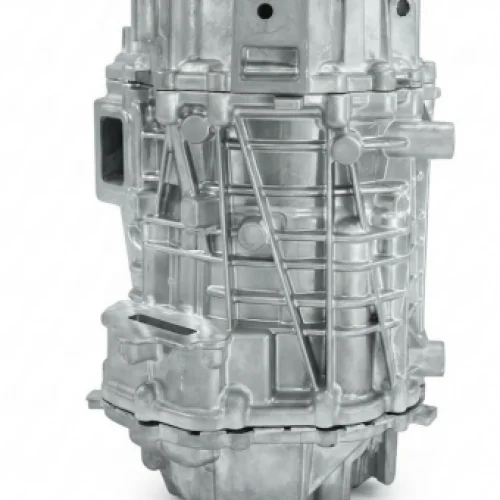
Practical vetting checklist
Ask for a current inspection report and one sample part. Verify material certificates for alloys. Confirm the shop’s machines handle your tolerances—don’t accept “we can try.” Ask about fixturing and how they control runout. Check turnaround on a small order first. Get written terms for rework. If they won’t show a simple job ticket or measurement sheet, walk away.
Processes and where mistakes happen
Milling and turning fail when setups aren’t repeatable. EDM and grinding fail when thermal control is ignored. Surface treatments fail when cleaning is skipped. Tight tolerance parts need controlled tooling and consistent inspection. Don’t assume a quoted tolerance equals measured tolerance—ask how they verify it and how often they recalibrate gauges.
Cost traps and how to avoid them
Low quotes often hide hours in setup or subcontracted finishing. Request a quote breakdown: machining hours, tooling, inspection, and secondary ops. Pay a little more for documented processes and traceability. For prototypes, expect extra cost for iteration; plan for two rounds of changes. A cheap first run that yields unusable parts costs more in redesign time than a slightly pricier, competent first run.
Alternatives and when to pick them
Local job shops give hands-on contact and quick fixes. Larger shops offer capacity and formal QA. Online services are good for simple parts and fast quotes but may miss tricky tolerances. For prototypes, use a nearby shop when you need close collaboration. For volume, move to a shop with a documented quality system and clear supply chain controls.
Common mistakes buyers make
Designing parts with impossible tolerances. Skipping material certificates. Relying on phone assurances. Not scheduling inspection time. Expecting a prototype shop to act like a production plant without discussing capacity. Fix these with clear drawings, callouts for critical dimensions, and an explicit inspection plan before the first order.
Final take
Buyers win when they keep things simple, ask specific questions, and verify small before committing big. Get one sample, check the paperwork, and make sure the shop can explain how they measure what matters. If you want a dependable partner that handles prototypes through production without fuss, consider a supplier with hands-on experience and clear processes like Hanstar.