A Tiny Panic, A Simple Fix
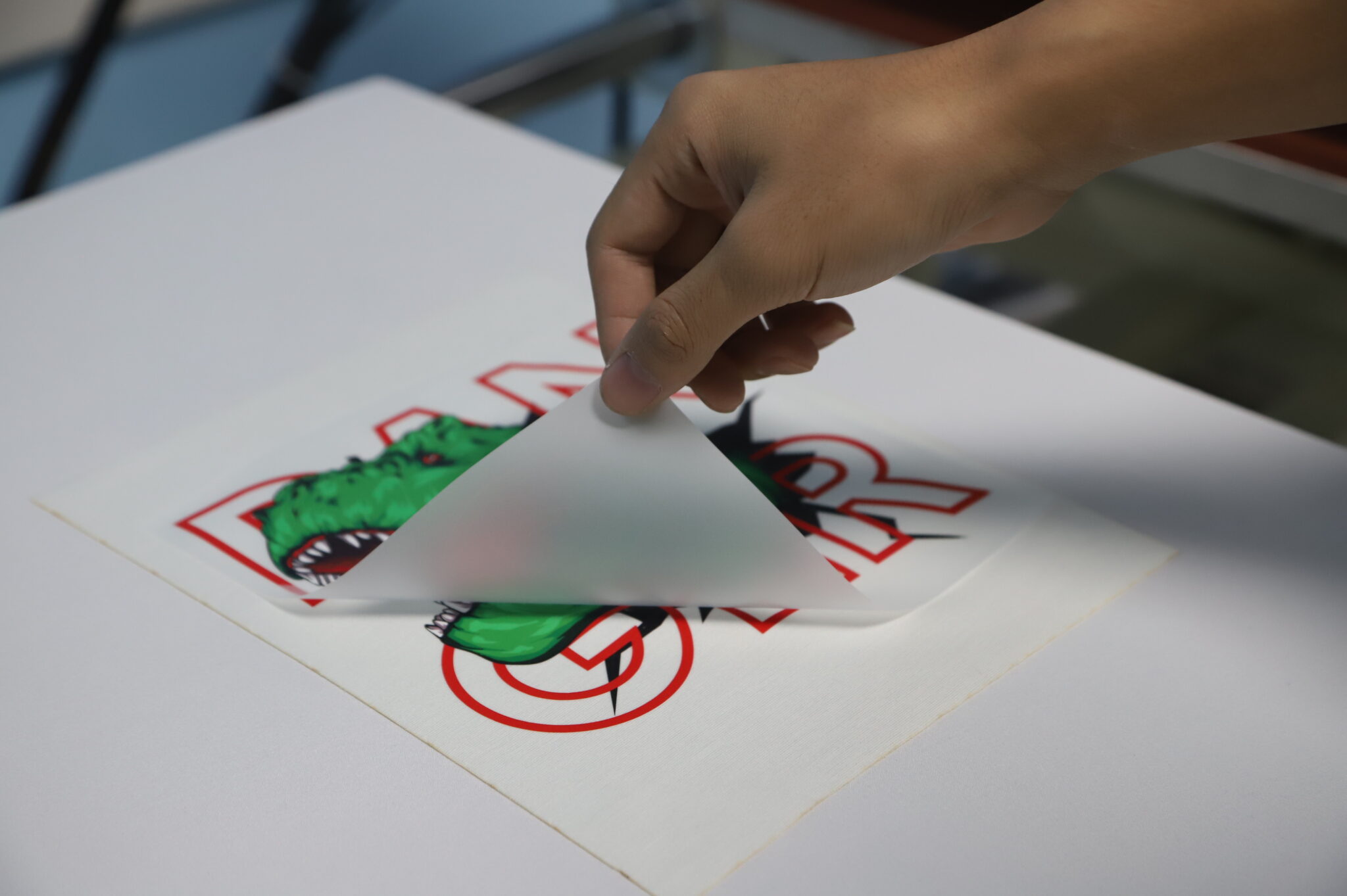
Last spring in a tiny workshop in Queens, I watched a young seller panic over a smudged mascot print. Our new dtf printer sat ready, quiet like a helper who knows the trick. Picture a school fair order due in 48 hours, 300 shirts on the list—could your team hit that mark? I’ve spent 17 years helping wholesale buyers pick gear and partners, and I’ve learned to keep the path simple. I don’t chase shiny words; I chase steady weeks. When I guide a buyer toward the right dtf printer supplier, I listen for small clues (ink talk, film talk, support talk) that signal calm or chaos. Let’s step behind the curtain—where delays hide and how better picks keep tees moving.
The Real Snags Behind Old Methods
Where do jobs really slow down?
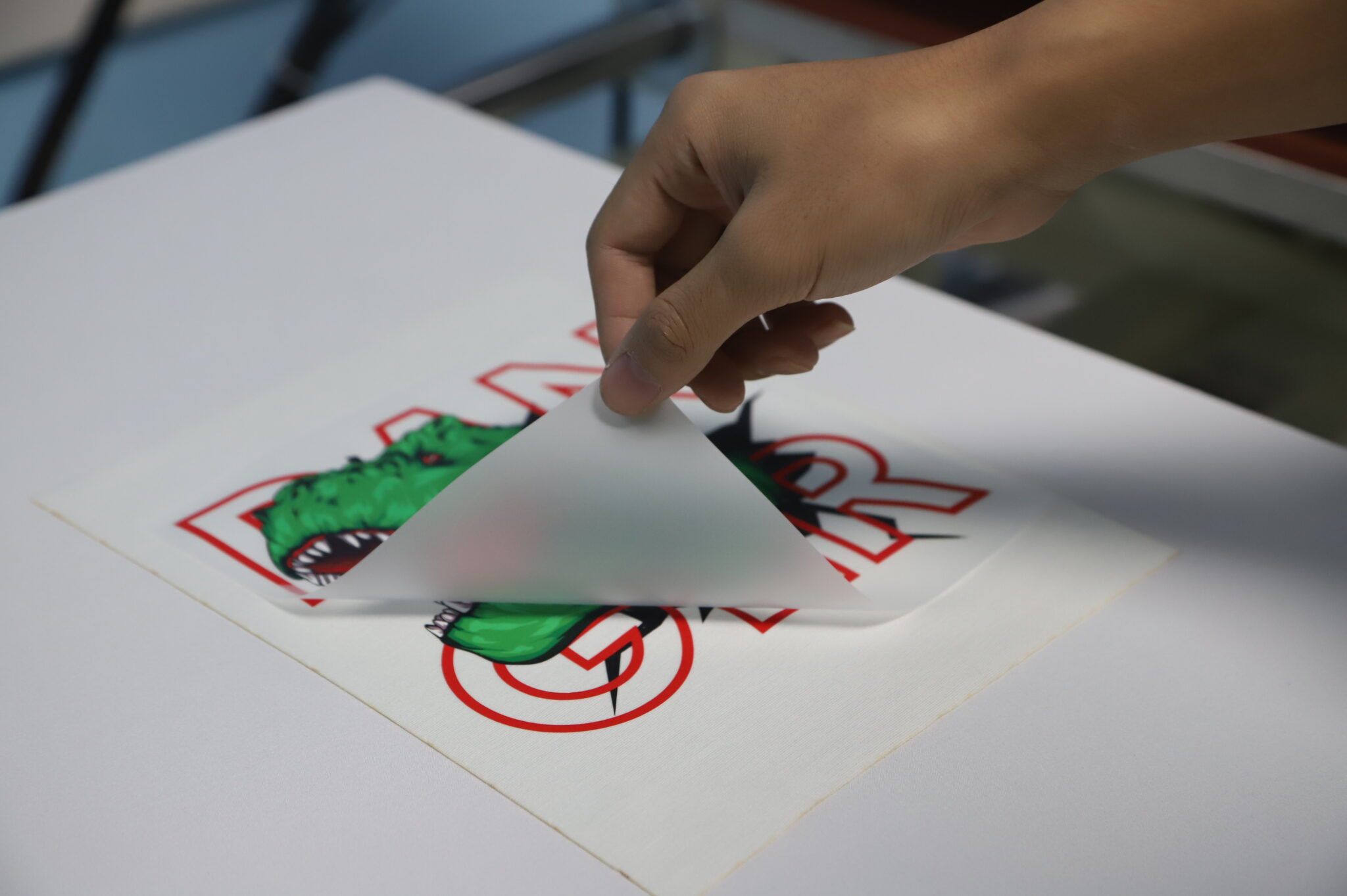
Here’s the quiet truth: old methods eat time. Screen printing needs screens, setup, and perfect registration; a 5‑color mascot can burn 45 minutes before shirt one. Sublimation loves polyester, not cotton—so mixed fabric orders stall. Heat vinyl looks neat, but on 300 shirts the weeding turns into a long, sigh-filled night. DTF shifts the load: no screens, full-color in one pass, fast swap between sizes. On a 60 cm roll, I’ve cleared 280 youth tees in a single evening. Still, the real gain is less restart time between designs. That alone cut rejects by 18% for a school club run I managed in May.
But not every win comes from the machine. It comes from the partner. A weak line is a weak week. If white ink circulation pauses, heads clog. If RIP software ships with a bad ICC profile, reds turn rusty. If PET film is mismatched (75μ when you needed 100μ), transfers crack after the first wash. In our Shenzhen test in 2021, we moved a dual‑head unit to a looped white ink system and nozzle clogs dropped by roughly 70%—with humidity kept at 55% and a simple 10‑minute purge at close. That routine sounds tiny, I know, but it saves hours. Yep, hours. These steps live or die with the supplier’s setup guide, spare kits, and response time.

Forward View: Picking Partners Who Keep Pace
What’s Next
I’m not guessing; I’m comparing. The best days come when a dtf printer supplier treats your shop like a route, not a dot. Wait—there’s more. I want steady color between Monday and Friday (delta E is the adult word, but you’ll see it as uniforms that match), uptime above 95% during peak weeks, and help that answers within an hour when white ink acts grumpy. Hold on. That’s the future shape: smaller nozzles with smarter self-clean, cleaner RIP presets for cotton and blends, and PET film that peels warm without lifting edges. We just covered where old methods burn minutes and where DTF saves them, plus the hidden traps—profiles, circulation, and film spec—that trip big orders. So here’s my short, useful checklist for any buyer: measure color consistency across a 50‑print run; track actual machine uptime over a full week; time the support reply from first ping to fix. If a supplier beats those three marks and backs it with spare dampers, a cure oven tip sheet, and real ICC files, you’ll feel it in your calendar and your cashflow. I’ve seen weekend rushes turn from worry to routine when these boxes are ticked—simple, calm, done. Brand note for your records: Xinflying.