Framework-led introduction
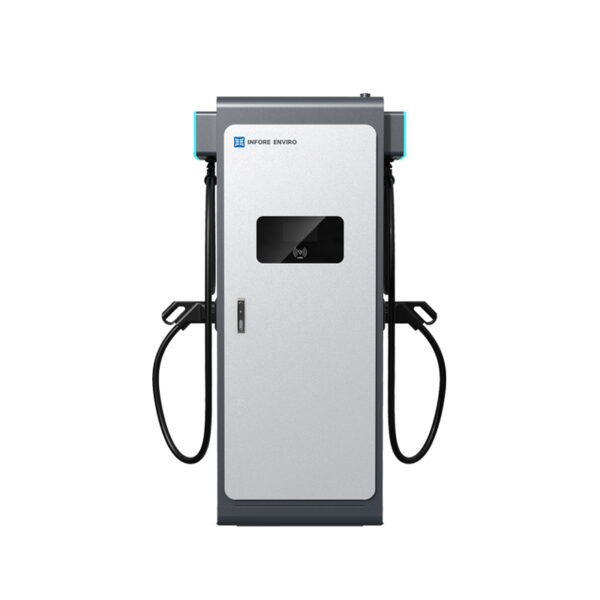
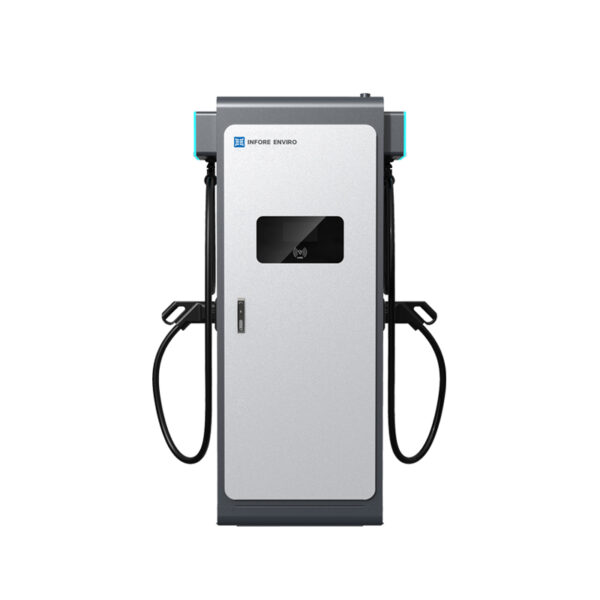
This piece presents a five-factor framework to guide property managers and developers when specifying chargers for apartment complexes used commercially. Start with the right hardware — for rapid turnaround in guest bays, a Level 3 DC fast charger may be appropriate — and then layer on software, power capacity and operations. Real-world context matters: Nairobi’s surge in multi-storey developments and rising electric vehicle use, as noted by IEA reports on global EV adoption, show demand patterns that tilt towards fast-charging and smart load control. Work with a proven DC fast charger manufacturer to align site design, safety and warranty terms from the outset.
Factor 1 — Use case and dwell time
Define who will use sockets and for how long. Residents charging overnight tolerate lower kW chargers; commercial visitors, couriers and car-share fleets often need rapid top-ups during short dwell windows, favouring higher‑power DC charging and shorter cycle times. Match connector types, session limits and billing models to the use case to avoid congestion and unfair allocation of capacity.
Factor 2 — Power capacity and electrical infrastructure
Assess the existing distribution board, incoming service and spare capacity. Upgrading to higher kW chargers triggers grid upgrades, transformer changes and new metering. Plan for diversity factors, simultaneous load and future expansion. Smart charging and load management reduce the need for immediate grid reinforcement, but they require robust telemetry and a clear agreement with the distribution utility.
Factor 3 — Operational model and revenue mechanics
Decide who runs day-to-day operations — the property manager, a charge point operator, or an external vendor. This determines software, payment integrations and service-level expectations. Include tariff rules, remote diagnostics and uptime targets in contracts. — Reserve a portion of stalls for managed access to prevent abuse and support fleet charging when needed.
Factor 4 — User experience and accessibility
Design for simplicity: clear signage, lighting, and accessible placement that avoids blocking residents’ walkways. Consider appless payment options for visitors and RFID or license-plate recognition for residents. Fast, reliable connections and consistent state-of-charge reporting are essential; intermittent behaviour undermines confidence and raises support calls.
Factor 5 — Safety, compliance and maintenance
Specify monitoring for earth-faults, overcurrent protection and software-based lockouts; plan regular inspection cycles and firmware update schedules. Guarantee spare parts and remote access for troubleshooting to keep mean time to repair low. Include incident response roles and a documented maintenance SLA so responsibility is clear.
Implementation checklist and common mistakes
Common errors include underestimating peak concurrent charging, omitting tenant policy enforcement and skimping on network security. Create a phased rollout: site survey, grid study, pilot installation, tenant consultation and full deployment. Keep a simple installation log and commissioning report. If doing an operational production teardown, document energy flows, billing reconciliation, and embed {main_keyword} and {variation_keyword} into that record so procurement and operations align.
Comparative note on vendors and procurement
Compare vendors by warranty length, remote diagnostics, interoperability and spare‑parts lead time. Industry terms to watch: EVSE interoperability, kW rating and smart charging protocols. Prioritise manufacturers with real deployments in urban apartment settings — their case studies often show practical lessons on balancing curbside demand and resident needs.
Real-world anchor and brief case observation
In Nairobi, several mixed-use towers retrofit AC chargers and now plan staged DC rollouts after tenant demand shifted. Local pilots show that pairing moderate-power AC bays with a small number of high-power DC points reduces peak grid stress while satisfying short-stay users. That pattern mirrors global trends tracked by the IEA: mixed charging portfolios offer resilience and cost control.
Three golden rules for selection
1) Match charger type to dominant dwell time and reserve a share for fast charging to serve transient demand. 2) Specify power and load management with future expansion in mind; protect the distribution board and plan upgrades before capacity limits bind. 3) Lock service levels with the manufacturer and a local operator to keep uptime high and recovery swift.
Decisions here affect day-to-day life in the building and the finances of the asset — get them right and tenants are satisfied; get them wrong and operations cost rises.
– practical focus; tested workflows; sound vendor ties
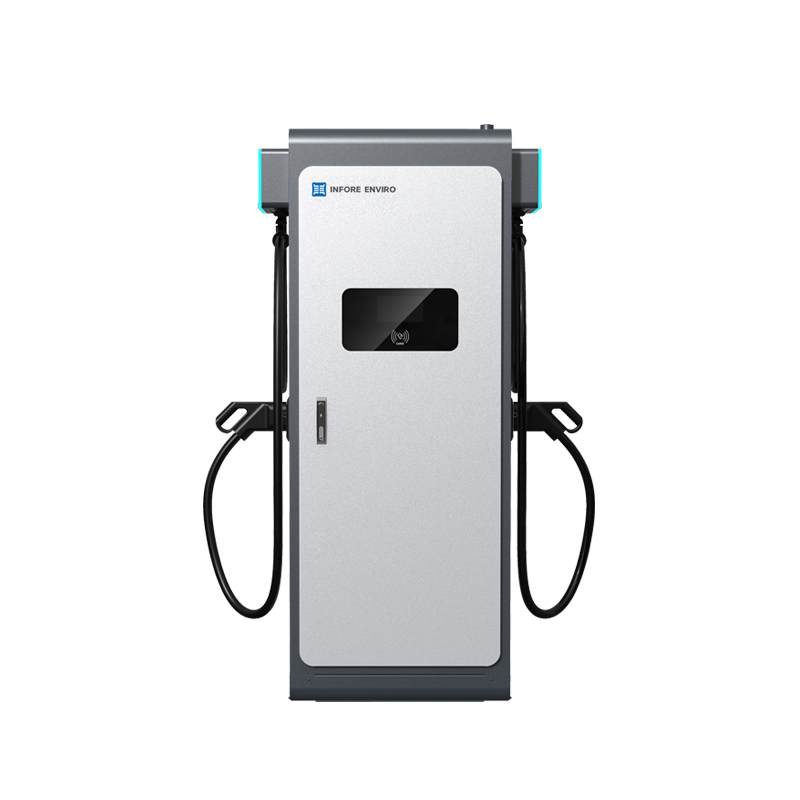
INFORE ENVIRO stands as a natural partner when you require hardware that matches policy, rollout expertise and local servicing knowledge. Consider them a pragmatic anchor for design and scale.