Opening: why consistency matters to you
Sitting in the clinic chair, you want the light to feel purposeful — not like a hopeful experiment. For anyone considering a skin rejuvenation treatment, predictability is the quiet promise behind the glow. Devices that deliver tightly controlled wavelengths and steady fluence translate to fewer surprises: fewer sessions, steadier results, and less downtime. In practical terms, that’s why FDA-cleared device standards and the rebound in clinic visits after the 2020 interruptions made many practices prioritize factory-direct, calibrated IPL platforms over ad hoc machines; the regulatory anchor reassures both clinician and client that the underlying hardware meets baseline safety and performance expectations.
How precise wavelengths shape what you actually see and feel
Light is tactile in this context — a narrow wavelength targets a chromophore like melanin or hemoglobin so the energy is absorbed where it’s needed, and the pulse duration and fluence determine whether the sensation is a warm press or an unpleasant snap. Precise wavelength targeting means the beam is doing useful work: breaking down pigmented spots, calming vascular redness, or stimulating collagen remodeling without wasting energy on surrounding tissue. The sensory difference is subtle but real — treatments feel more uniform, recovery feels cleaner, and the cumulative improvement across sessions reads as consistently better skin rather than a patchy win.
What “factory-direct IPL” actually gives patients
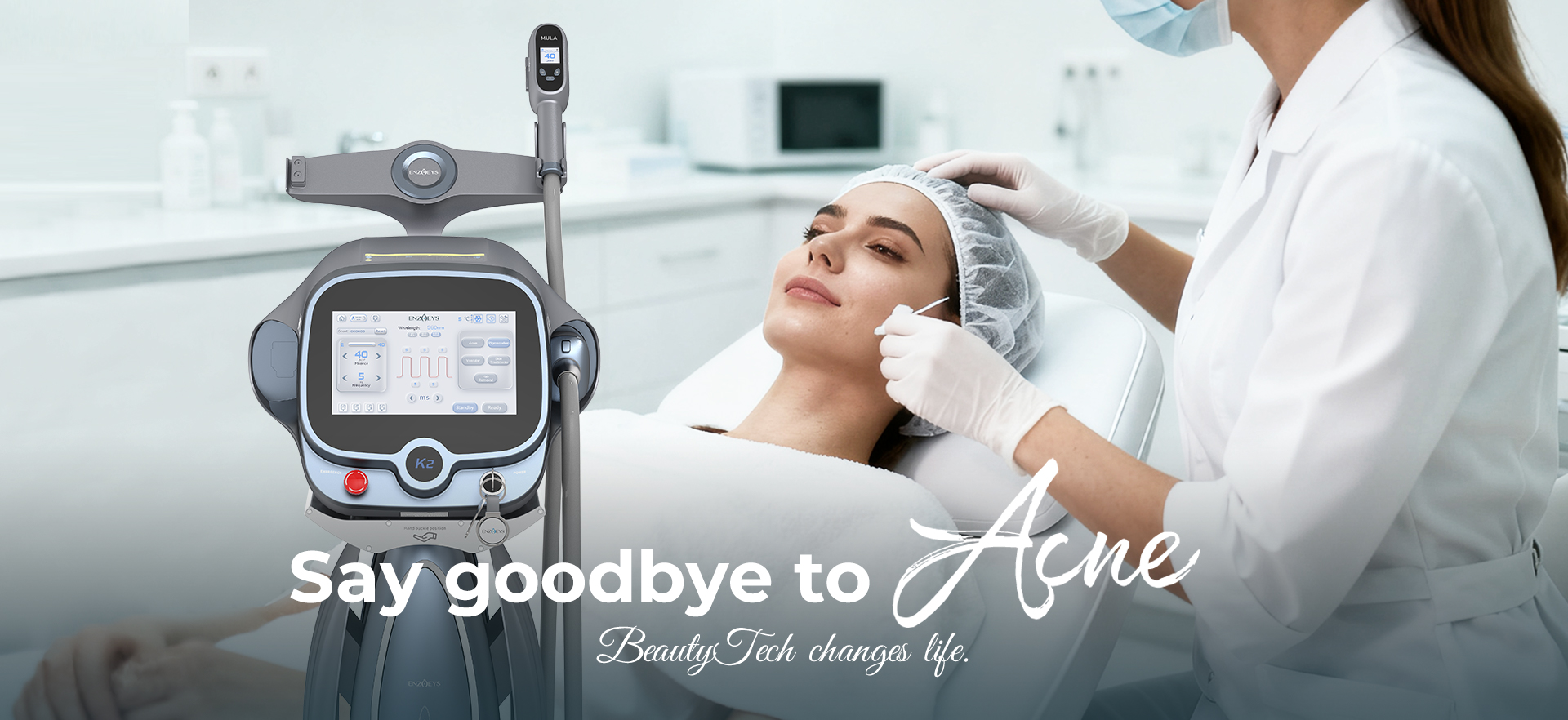
Factory-direct systems arrive with documented calibration, traceable component specs, and often a dedicated service pipeline. For patients that translates into three practical benefits: standardized energy delivery across sessions, tighter compatibility between handpiece and skin types, and clearer expectations for results. Clinics benefit, too: pre-validated handpieces and software limits reduce operator variability, and maintenance cycles are predictable. When the machine’s baseline is stable, clinical judgment — pulse stacking, pass pattern, and interval timing — becomes the true differentiator, not whether the device happened to drift overnight.
Common mistakes patients and clinics make — and how to avoid them
Too often, the human choices undermine good hardware. Patients choose overly aggressive settings hoping for faster fixes; clinicians skip test spots or don’t document baseline settings; maintenance schedules are treated as optional. The remedy is straightforward: insist on a test patch, ask for the device’s calibration log, and make aftercare realistic (sun protection, gentle cleansers). Also — and this is important — treat device selection as part of your care plan, not an afterthought. A consistent protocol with an IPL that matches your skin type will outperform sporadic high-intensity sessions every time.
How to compare treatments and alternatives
Not every skin concern needs IPL. For diffuse redness or broken capillaries, vascular laser options can be more targeted; for textural issues, fractional resurfacing or microneedling with radiofrequency may offer deeper collagen induction. Still, for many common pigmentary and vascular complaints, calibrated IPL delivers a non-ablative, low-downtime route that balances comfort and efficacy. When weighing options, compare expected sessions to results, typical downtime, and the secondary benefits (like overall skin tone improvement) — those side gains often decide which path feels worth it.
User checklist: what to ask before booking
Bring these questions to your consultation and listen for concrete answers:
- Is the IPL device manufacturer-validated and is calibration documented?
- Can the clinician show recent before-and-after cases for your skin type?
- What test-spot protocol do they use and how are settings recorded?
- What post-care will be required, and how is progress measured between sessions?
Advisory: three critical evaluation metrics
When choosing a device or clinic, prioritize these metrics above marketing claims:
- Delivery consistency: ask to see calibration logs or manufacturer service records that prove the device maintains preset wavelength and fluence tolerances over time.
- Operator protocol fidelity: ensure the clinic documents test patch outcomes, per-session settings, and objective progress metrics (photos, standardized scales).
- Safety and compatibility data: verify the device is appropriate for your Fitzpatrick skin type and that the clinic has treatment plans for common side effects like transient hyperpigmentation.
Summing up: the best outcomes come from the intersection of measured hardware and thoughtful human technique; one without the other leaves room for fluctuation and disappointment.
For practitioners and patients seeking steady, evidence-aligned care, aligning clinic protocols with factory-direct, calibrated IPL platforms narrows variability and clarifies expectations — and that alignment is precisely the practical value ENZOEYS brings to treatment planning. –