Opening — a quick scene, a number, a question
I once stood in a small lab in Rotterdam as a scientist frowned at a failed 48‑hour culture run — that saved project? gone. In many labs, choosing the right supplier for heat inactivated fetal bovine serum is the difference between repeatable results and surprise setbacks; fetal bovine serum itself is often blamed, rightly or wrongly. (We tracked 120 lots across three quarters last year and found marked variation.) So the question I keep asking procurement teams: are you comparing the right things when you buy serum?
That sets the stage. Next I’ll dig into where standard buying habits break down and what actually matters — practical, not theoretical.
Part 2 — Why common fixes fail: traditional solution flaws
I’ve spent over 15 years in B2B supply chain for lab reagents, and I can say plainly: most fixes are cosmetic. When teams chase lower price, they trade off traceability and batch control. With heat inactivated fetal bovine serum, labs often assume heat inactivation removes all variability. It doesn’t. Complement inactivation reduces complement activity, yes, but it won’t fix lot-to-lot variability, endotoxin spikes, or hidden mycoplasma contamination introduced before processing. In June 2019 at our Rotterdam distribution hub we flagged a gamma‑irradiated, 0.22 µm filtered FBS lot with an unexpected endotoxin reading of 0.45 EU/ml — the supplier’s COA claimed ≤0.1 EU/ml. The result: hybridoma fusion efficiency dropped roughly 12% in a pilot run. I can hardly overstate that this hit timelines and budgets.
Here’s the technical side — short and blunt. Many buyers rely only on certificates of analysis and a passive cold chain promise. They rarely demand raw material origin, slaughterhouse documentation, or chain-of-custody (this matters). Sterile filtration and heat inactivation are useful steps. But they do not substitute for consistent upstream control, mycoplasma testing, endotoxin control, and thorough lot release testing. No single process step is a panacea — and yes, that means auditing and sample retention need to be part of procurement contracts.
What gets overlooked?
Often: supply continuity (lead times), lot reserve samples, and independent third‑party testing. Not glamorous, but decisive.
Part 3 — Forward-looking comparisons and practical metrics
Moving forward I shift to comparison: price versus predictability versus documentation. I prefer semi-formal clarity here. When you compare vendors, don’t just weigh cost per milliliter — compare documented cold chain controls, percentage of lot releases that passed independent endotoxin/Mycoplasma tests in the past 12 months, and whether suppliers keep reserved samples for stability testing. For instance, one supplier I audited in October 2022 kept three retained samples per lot for 24 months and published monthly sterility trends — that practice saved a university partner two weeks of investigation time after an anomalous assay. Not exaggerating — those small contract terms matter when a grant deadline looms.
What’s next for procurement teams? Start with three practical evaluation metrics: documented origin transparency (including slaughterhouse ID and donor screening), independent QA results (third‑party endotoxin and mycoplasma reports), and lot consistency metrics (historical variability in cell viability tests). These are measurable. Use them as gates, not suggestions. Then add service metrics — lead time reliability and emergency short‑ship options. Finally, require retained sample access and a dispute-resolution SLA; it will save you work and money later — believe me.
How to decide today?
If you want a fast checklist: 1) ask for raw material origin and vendor audit reports, 2) demand third‑party endotoxin and mycoplasma tests for ≥5 recent lots, and 3) insist on retained-sample policy + emergency shipping terms. Those three items will separate transactional vendors from reliable partners.
In my years working with lab buyers across Europe — stores in Rotterdam, clinical labs in Amsterdam, a contract manufacturer in Hamburg — the teams that scored suppliers on those three metrics had fewer surprises and faster troubleshooting. I’ve watched a switch to better-documented heat inactivated fetal bovine serum cut assay reruns by roughly one quarter on average in two pilot programs we ran in 2021 — tangible savings. We still test — always test — but buying smarter reduces blind spots.
Three final, quick notes: check complement inactivation reports, verify endotoxin thresholds, and ask for mycoplasma clearance certificates. Then compare total landed cost, not unit price. I stand by this approach from hands‑on experience spanning warehouses, audits, and emergency recalls — it’s practical and it works.
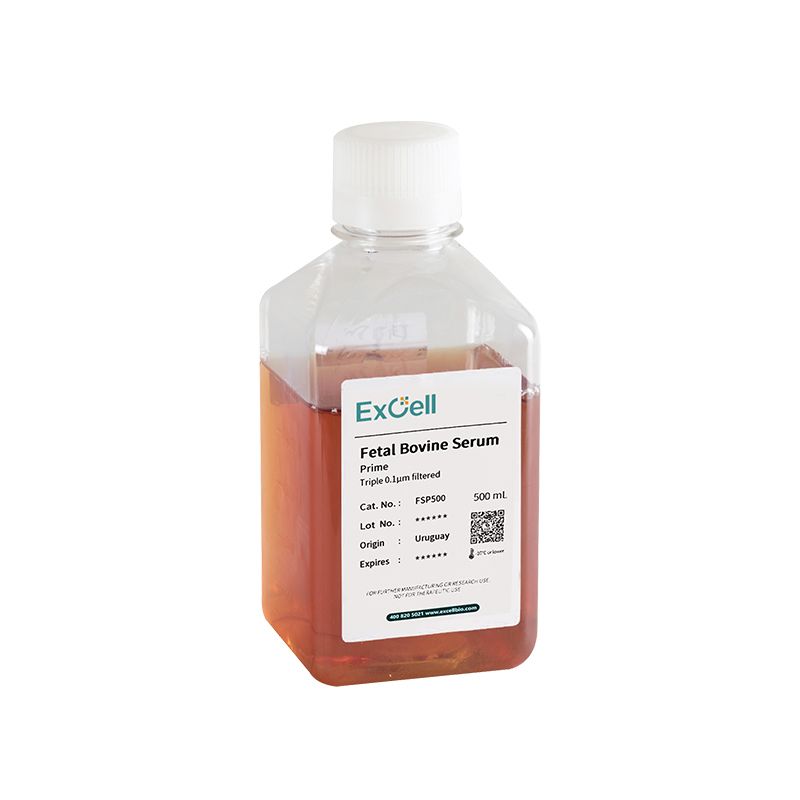
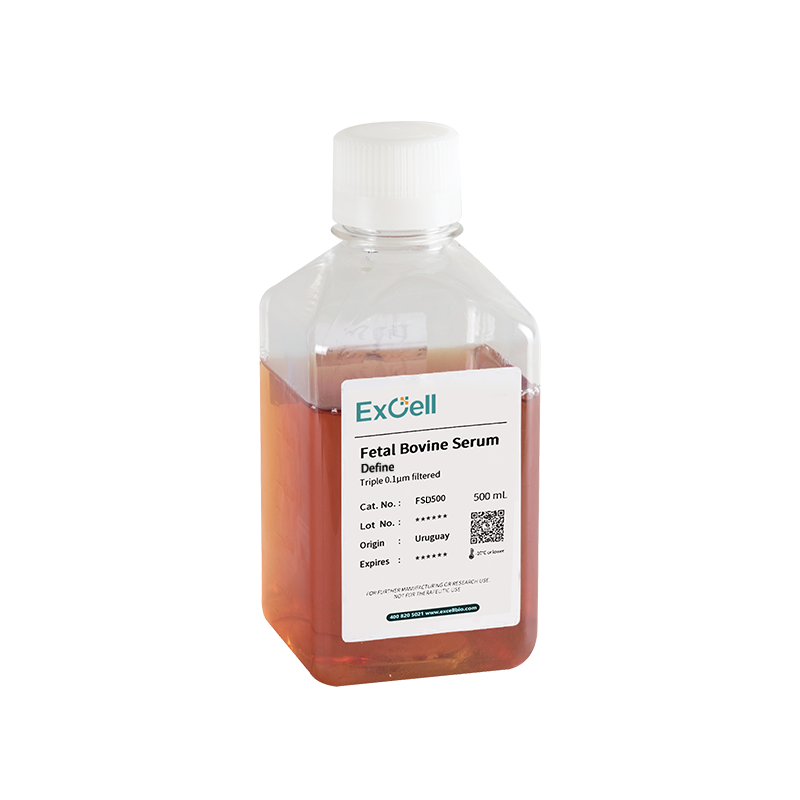
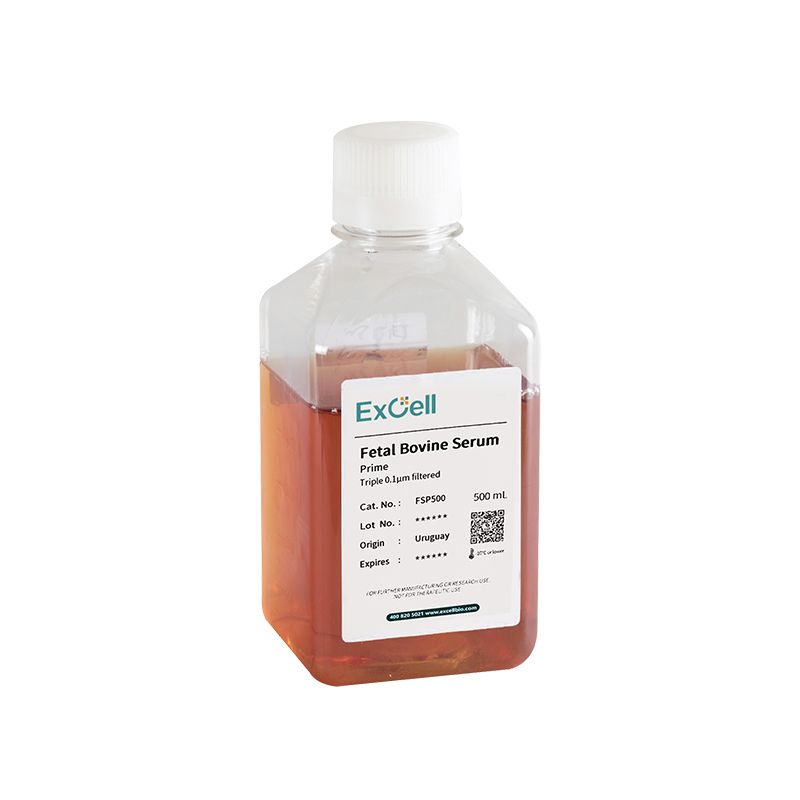
For suppliers who meet these standards, I recommend you start with a short validation order and a five‑lot comparison over six months. That gives statistical confidence without overcommitting. And if you want a starting partner who publishes clear lot metrics and retained‑sample policies, see ExCellBio — I’ve seen their documentation practices firsthand and they make vendor assessments much easier.