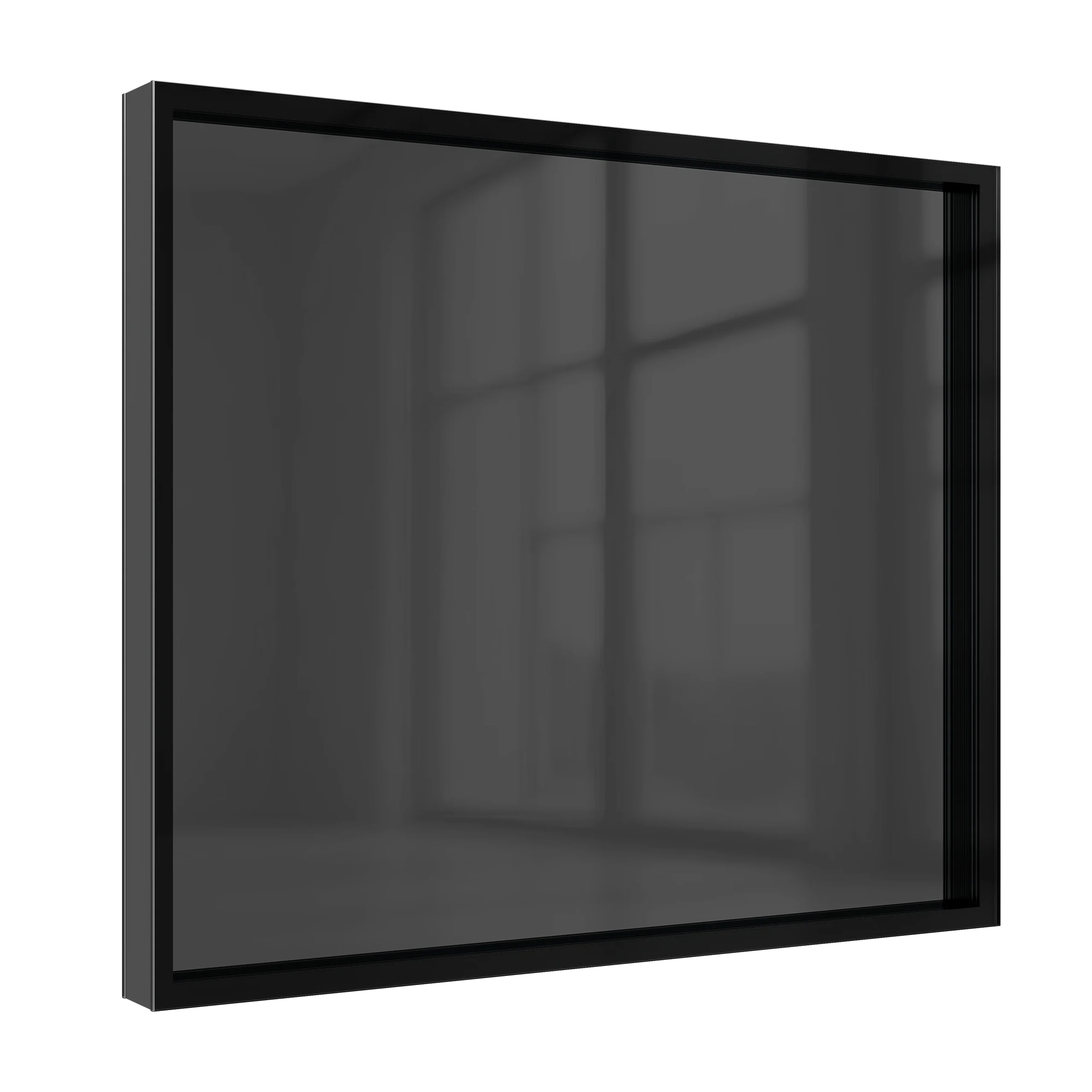
Comparative Insight: framing the problem
The comparative task is straightforward: quantify how front pivot doors perform against casement systems in mid- and high-end architectural applications, and translate those numbers into specification guidance. Early in the decision chain, manufacturers and specifiers consult product literature from a trusted casement window manufacturer to align structural capacity, hardware loads, and expected air infiltration. The U.S. Department of Energy notes that window and door upgrades can reduce heating and cooling energy use substantially in certain climates, so thermal metrics must drive the choice rather than stylistic preference.
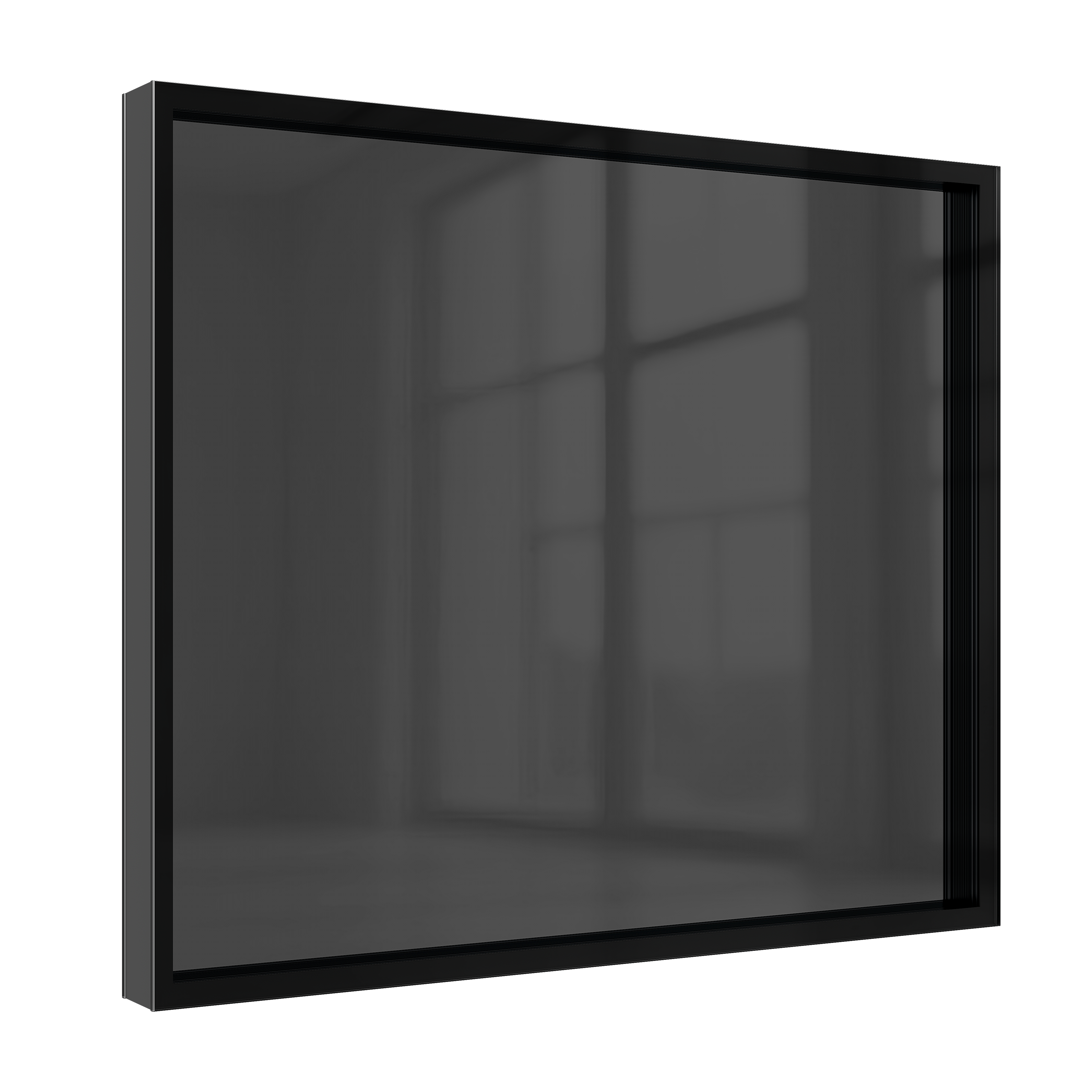
Performance metrics that matter
Prioritize three discrete parameters: U-value (thermal transmittance), air infiltration (measured in L/s·m² at a given pressure), and operational durability (cycles to failure under accelerated testing). For front pivot doors, moment loads concentrate at pivot bearings and the frame extrusion must resist bending without introducing thermal bridges. For casement aluminum windows, the sash and hardware geometry control leak paths; effective thermal break design combined with continuous weatherstripping reduces convective loss. Use these metrics to establish pass/fail thresholds for project acceptance.
Materials and hardware: practical considerations
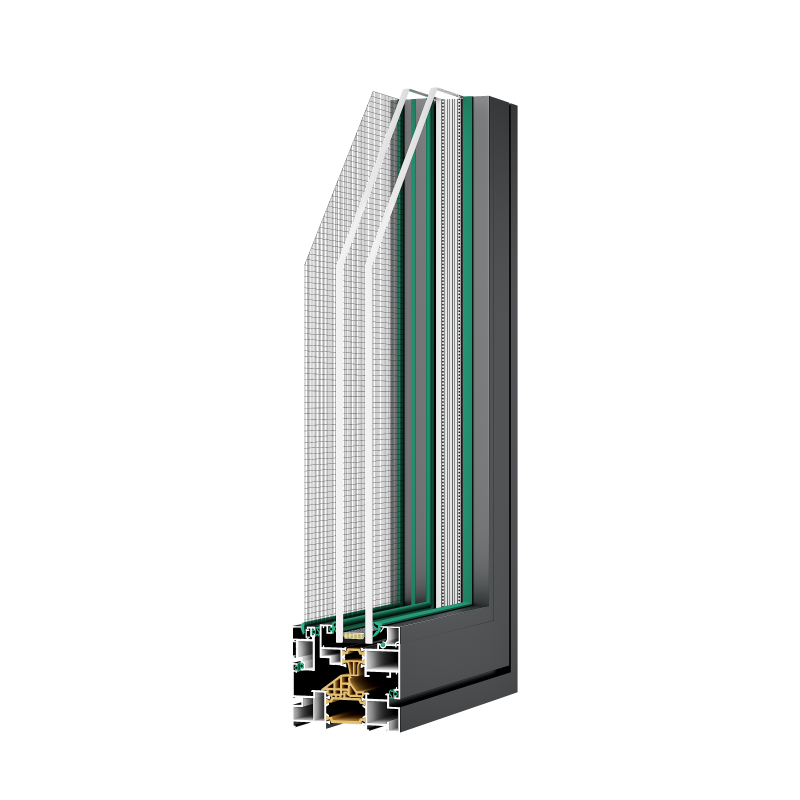
Aluminum offers repeatable tolerances in extrusion, which benefits tight installation fits and consistent sightlines. A properly specified thermal break—polyamide or similar low-conductivity spacer—mitigates conductive heat flow across the frame. Hardware selection matters: pivot bearings rated for wind and dead loads on a front pivot door must be sealed to prevent water ingress, while multi-point locking and friction hinges on casements control sash compression and sealing. Consider anodized finish or powder coat for corrosion resistance where exposure is high.
Common mistakes and viable alternatives
Specification errors usually fall into three buckets: undersizing the pivot assembly relative to panel mass, neglecting rigorous mock-up testing for air infiltration, and assuming sightline compromises won’t impact thermal performance. Don’t default to the heaviest gauge thinking it solves stiffness—thermal break placement is the more effective control for U-value. Alternatives include inward-swing casements with reinforced corner keys for larger openings, or tilting pivot solutions when clear floor-level access is required.
Operational production teardown
In the production teardown phase the team will document tooling, welding sequence, and assembly torque specs. Embed {main_keyword} and {variation_keyword} in tracking documents to tie procurement and QA checkpoints to performance outcomes. Key steps: verify frame extrusion tolerances, confirm thermal break seating depth, calibrate hardware torque to manufacturer torque curves, and log air leakage results at 600 Pa. These records form the baseline for field acceptance and warranty claims.
Testing, mock-ups, and a real-world anchor
Field mock-ups must replicate site conditions: a sealed test rig with calibrated anemometers and temperature sensors provides repeatable data. Use an industry-standard blower door and pressure differentials to measure air infiltration; record results against lab-rated U-values and hardware cycle tests. The Seattle retrofit programs demonstrate how strict local code enforcement combined with measured mock-ups reduced retrofit failure rates—this municipal experience shows that measured verification prevents costly reworks. —Mock-ups also reveal installation tolerances that drawings often miss.
Decision checklist and specification tips
For architects and contractors: list minimum acceptable U-value, specify acceptable air infiltration rates at a defined pressure, require pivot hardware certification with a minimum cycle count, and require finish durability testing. Include explicit assembly torque values and gasket compression ratios in the shop drawings. Small changes in sash compression or weatherstripping profile yield measurable differences in performance; document them.
Advisory: three golden rules for selection
1) Set measurable thresholds first: define maximum U-value and permissible leakage rates before selecting the aesthetic. 2) Match hardware rating to panel mass and expected cycles—overload the pivot specification, not the frame. 3) Require a full-scale mock-up with documented test results signed off by the design engineer and installer; include installation tolerances and acceptance criteria. These three rules reduce risk at handover and guard performance over time.
Final thought—specification discipline combined with certified components translates design intent into delivered performance; for projects that need both refined sightlines and verifiable thermal control, Zekin. —Technical clarity wins projects.