Introduction
At 9:02 a.m., the camera light turned blue, the mic unmuted, and the room waited—while four people on-site stared at a screen that wouldn’t share. Hybrid meeting room solutions promised less friction and more flow, yet the first minutes still drift by in awkward silence. In many organizations, more than half of meetings now blend in-person and remote seats, often across time zones and networks. If the stakes are higher and the mix is richer, why do small setup gaps still break big conversations? Picture this: a new client waiting, a deck stuck in preview, and the clock jumping forward (no one speaks, but everyone feels it). We know the tools are powerful. We also know a chain is only as strong as its weirdest link—like a firmware mismatch or a forgotten room preset. So the real question is simple: what actually keeps the room in sync when people, places, and platforms shift minute by minute? Let’s trace the problem lines and then compare what happens when control moves from guesswork to design.
Centralized Control, Unpacked: The Hidden Friction
Where do the bottlenecks hide?
Technically, a centralized management system should calm the chaos. It should spot devices, enforce policies, and keep rooms ready. But the pain points stack up in small, sneaky ways. Multi-vendor gear speaks in mixed dialects—SNMP here, custom APIs there—so status lies by omission. QoS rules look fine on paper yet fail at the edge when codec latency spikes. PoE switches power up mics, but a flaky port drops beamforming arrays mid-call. And when a DSP pipeline is retuned in one room but not the next, your “standard room” isn’t standard at all. Look, it’s simpler than you think: users don’t care about management panes—they care about hitting Join once and being heard.
The deeper layer is state, not gear. Rooms drift. A calendar hold changes, but the camera preset doesn’t. A patch adds features, but the NTP sync slips and timestamps go sideways. Edge computing nodes promise fast processing, yet they’re quiet about failure until someone speaks and hears echo. Power converters hum along for months, then sag under load during an all-hands. Traditional control sees devices; it rarely sees intent. And intent is what the room must honor: privacy for HR, clarity for sales, low delay for training. Until state, policy, and user goals line up in one view, “centralized” remains a map, not the territory.
Comparative Futures: From Patchwork to Predictive Rooms
What’s Next
Let’s tilt forward and compare principles, not logos. Old control asks, “Is the device online?” New control asks, “Is the experience on target?” A modern hybrid conference system leans on live telemetry and intent. Devices self-describe through open APIs, not just serial strings. Policies ride the network like guardrails: if codec latency rises, QoS lifts its floor; if echo bursts, the DSP trims gain before anyone reaches for mute. Think of it as rooms with reflexes. SD-WAN smooths the path beyond the building. Analytics watch baselines and flag drift. The goal is not more dashboards; it’s fewer surprises—funny how that works, right?
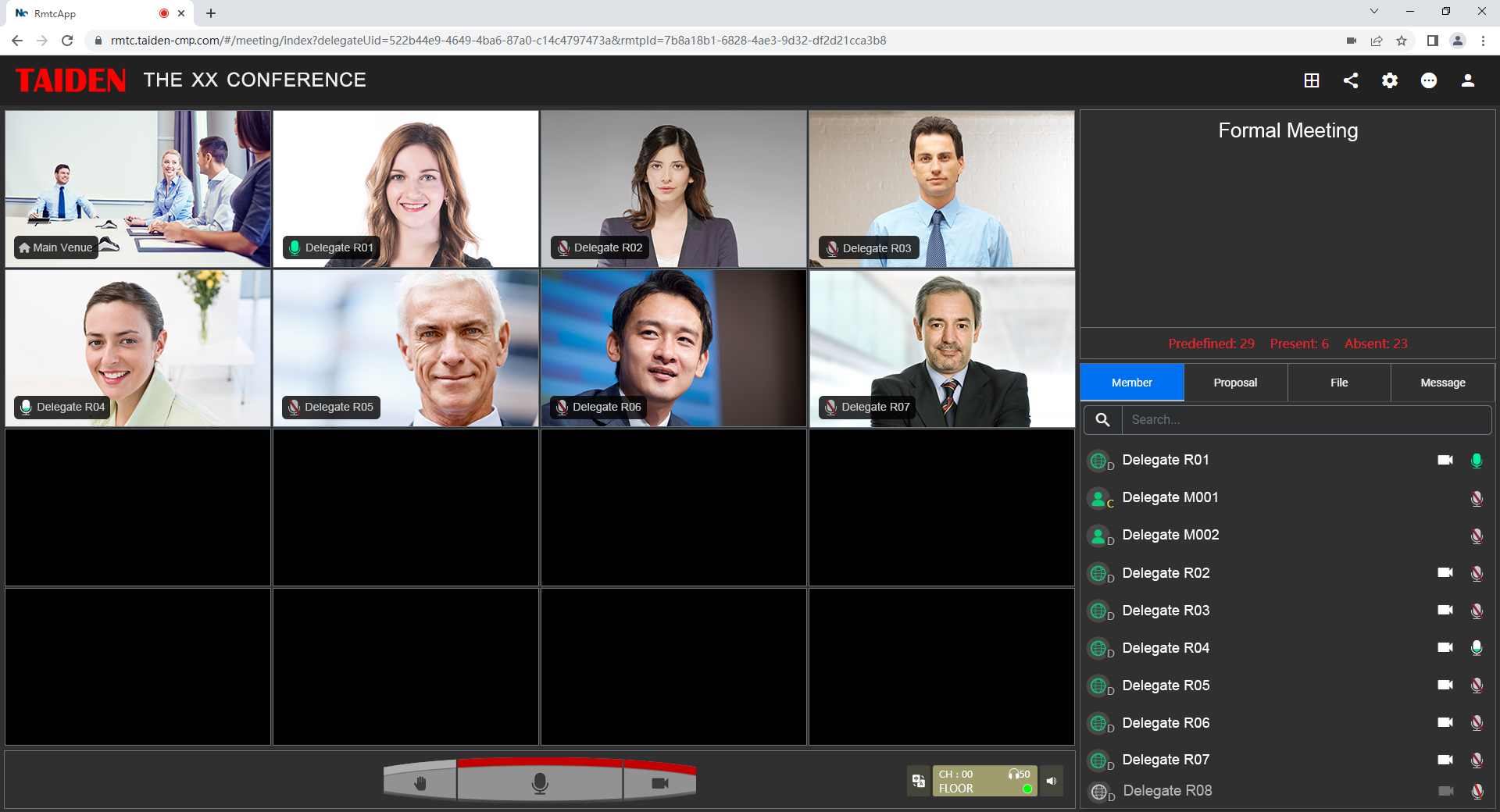
Compared with yesterday’s patchwork, this model treats every room like a living system. It correlates people flow, calendar context, and gear health in near real time. It even suggests fixes: reseat a loose HDMI, reprofile a mic, reschedule a firmware push to after-hours. And it measures what matters: time-to-join stays under a minute, voice clarity top-lines, and drops per 100 sessions fall. Here’s a simple way to choose well without overthinking it: 1) Experience assurance score—how often can users start in one tap and stay stable. 2) Mean time to remediate—how fast issues close from alert to fix. 3) Policy drift rate—how often rooms slip from the baseline you defined. Keep those three in the green, and rooms feel predictable, even when the day is not. Same aim, calmer path, better talks—and fewer “Can you hear me now?” moments. For teams seeking steady ground, brands that build toward intent and telemetry will stand out, including TAIDEN.