Introduction — Why does a silent wrench matter?
Have you ever paused mid-task, smelled a faint solvent haze, and wondered if the tool in your hand could start a fire? Non sparking tools sit at that exact crossroads — they’re the quiet guards in garages and tank farms. Industry reports and field notes often point to noticeable drops in ignition incidents when crews switch to non sparking tools (some sites report cuts in small ignition events by low double digits) — so why do teams still reach for cheap steel wrenches?
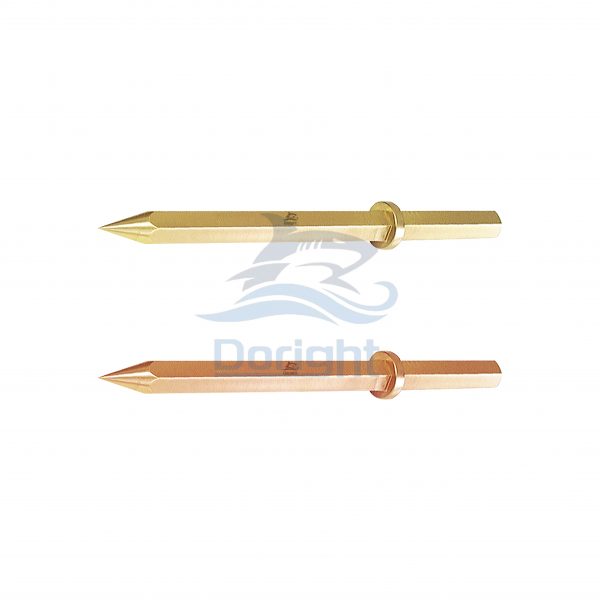
I ask this because I’ve seen both sides: the frantic swap of gear before entering a confined space, and the casual shrug when a labeled tool looks “close enough.” The reality is messy. ATEX certification matters, but so do habits and training. Spark-resistant alloy choices and the tools’ weight change how crews work. So — what really matters when a slip could mean a spark? That’s where I want to take you next, into the parts others tend to skip.
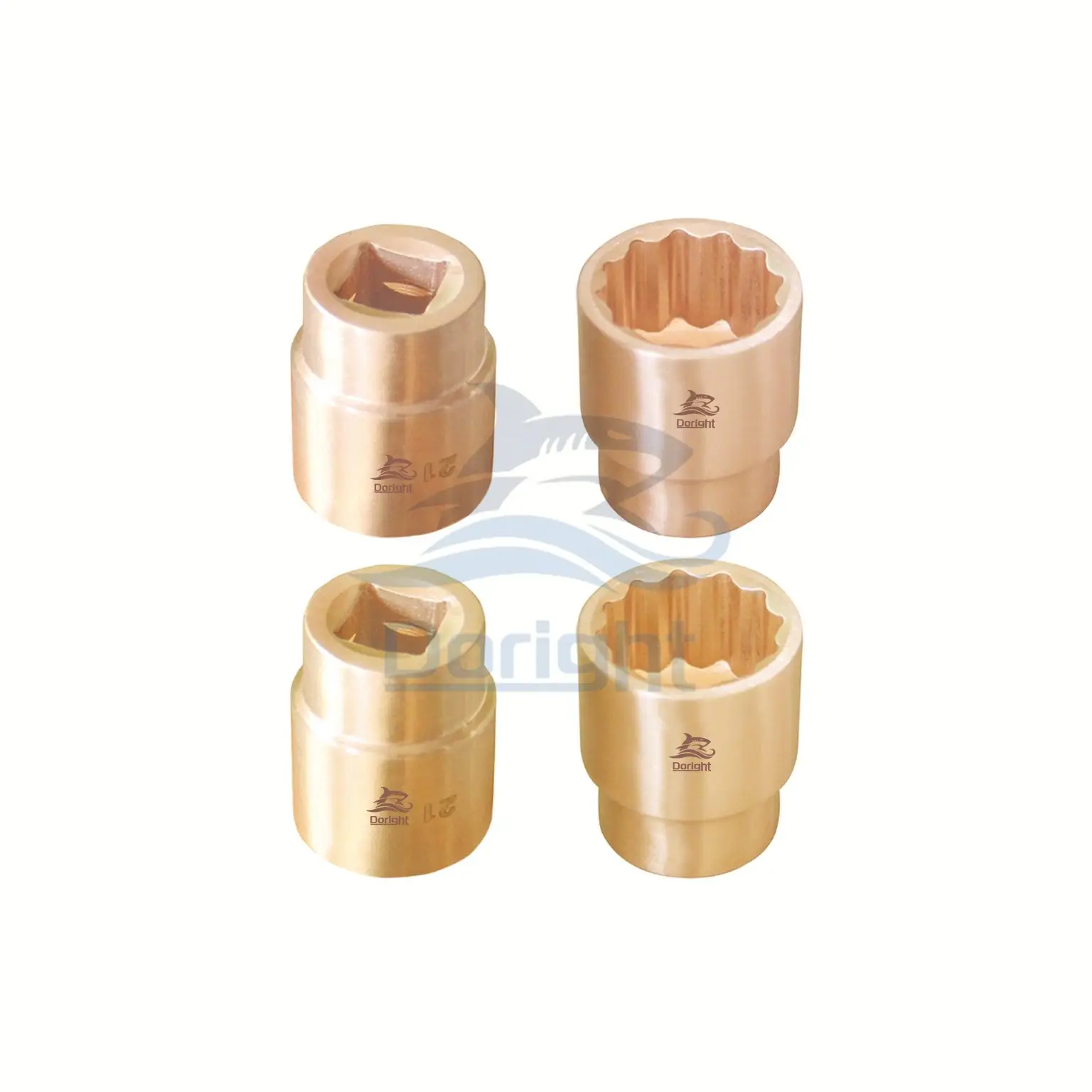
Traditional Solution Flaws: Where “safe” tools fall short
When I dig into toolbox choices, I start with one key item: a non sparking tool. Sounds simple, but labels can mask real problems. First, many legacy tools trade off strength for non-sparking metals. That bronze or beryllium copper mix resists sparks, sure, but it can deform under torque. I’ve watched a cheap non-sparking torque wrench bend on a tight bolt — and then workers cheat, adding cheater bars on top. That defeats the safety goal.
What are installers missing?
Look, it’s simpler than you think: inspection and suitability. Flash point awareness and matching tool material to the job are underrated. Tools sold as “safe” may lack ATEX certification for certain atmospheres. Others are heavier, making repetitive tasks more fatiguing and increasing slip risk. Maintenance is another blind spot — deposits and wear change how a non sparking tool behaves over time. I’ve fixed a few jobs where a worn edge turned a trusted tool into a hazard — funny how that works, right?
New Principles and the Path Forward
Moving forward, I focus on principles, not buzzwords. Modern designs blend better alloys and smarter geometry to keep the spark risk low without turning every bolt fight into a workout. New tool bodies use engineered reliefs and tempered profiles so the tool won’t mushroom or jam under typical torque ranges. That matters when crews need repeatable performance. We’re talking about mixing material science with practical hand-tool ergonomics — and that’s where true gains come from.
Also, think about systemic protection: grounding, proper personal protective equipment, and task sequencing reduce reliance on any single tool. This shifts us from “tool solves everything” to “tool fits into a safer process.” I want you to picture an operator choosing an explosion proof hand tools set because it matches torque needs, meets certification, and cuts fatigue. That decision changes outcomes on sites and in workshops — measurable, honest improvements. We’ll close with practical metrics so you can judge tools the way pros do.
Three Metrics I Use When Evaluating Safer Tools
1) Certification & Environment Fit — Match ATEX or equivalent to the actual zone rating. Don’t assume “non sparking” equals “rated.”
2) Mechanical Performance — Check torque curves, deformation thresholds, and whether the tool holds up under the job’s demands. A tool that bends invites risky workarounds.
3) Human Factors — Weight, grip design, and maintenance needs. If crews avoid a tool because it’s awkward, the best certification won’t save you.
I want to close by saying this: safety is layered. No single piece of gear is the silver bullet. When we combine well-chosen non-sparking materials, clear procedures, and honest checks on torque and wear, we cut risk. I’ve seen teams transform their playbooks by picking smarter tools and then training around real tasks — real change, not just sticker swaps. For practical, reliable options and to see how these choices look on a product level, check out Doright.