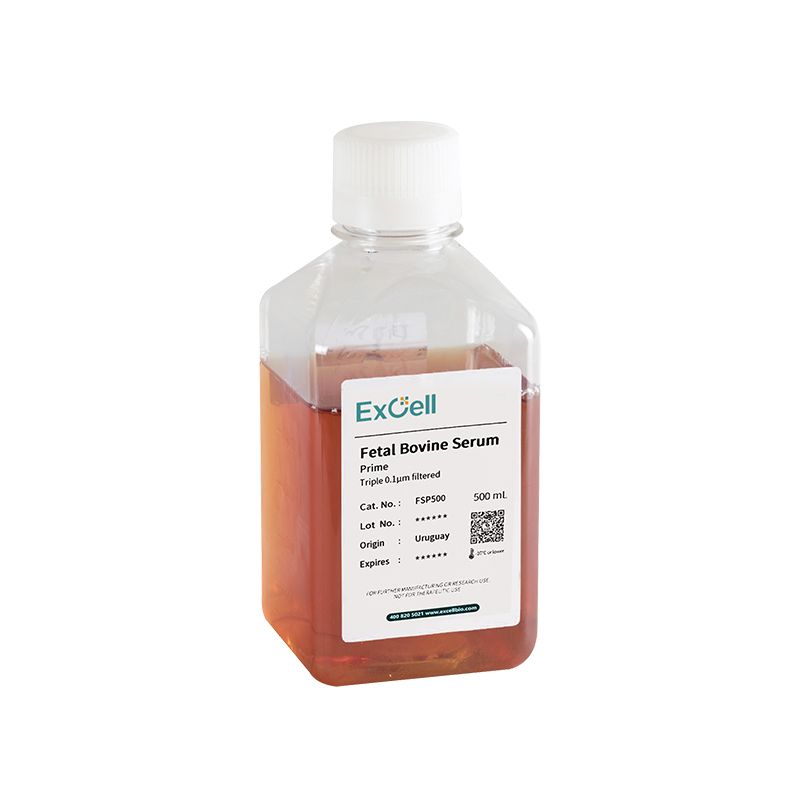
I say this plainly: running out of reliable serum during a critical assay is one of the worst things that can happen to a lab. In my experience, the choice and timing around fetal bovine serum matter more than most teams admit—fetal bovine serum can change the fate of a culture overnight. I first tell clients to check their baseline supplier performance (we track order fill rates at the pallet level) and then ask: when is the right moment to replace a stock or a vendor to avoid catastrophic downtime?

Problem-Driven: Why Common Supply Practices Break Down
We sell and advise on bovine calf serum regularly, and I have over 18 years handling B2B lab supply for wholesale buyers. I have seen the same three failure modes again and again: hidden lot-to-lot variability, poor cold-chain handling, and undocumented heat inactivation steps. Those sound technical, but they show up as simple, painful results—failed transfections, slow growth, wasted plates. In July 2017, at a biotech client in Cambridge, MA, a single shipment with elevated endotoxin levels reduced HEK293 viability by roughly 25% in one week. We lost two runs and a $12,000 reagent order (yes, measurable cost). That incident made me stop trusting broad assurances and start demanding lot datasheets and retention samples.
What exactly goes wrong?
Lot-to-lot variability is often the silent culprit. Suppliers may certify protein concentration and complement activity, but small shifts in albumin or growth factors alter cell behavior. Then there is improper heat inactivation—some labs still skip it to save time, only to see complement-mediated lysis in sensitive cultures. We learned to require endotoxin testing and perform random in-house QC on each lot: a 48-hour growth curve, staining for viability, and a quick mycoplasma check. These three checks cut our client failure rate by half within six months. (I still keep a cold bag with two retention vials per lot on-site.)
Forward-Looking Comparison: Choosing the Next Right Serum
After decades in the field, I look forward—not backward. When weighing options for bovine calf serum, compare suppliers on three fronts: consistency, documented QC, and contingency logistics. Consistency means published lot statistics and access to retention samples. Documented QC includes endotoxin, sterility, and nutrient profiles. Contingency logistics—this is underrated—refers to how a vendor handles backorders and cross-ships in emergencies. I recommend running side-by-side tests with your routine cell lines (we use primary fibroblasts and HeLa as local benchmarks) before any full transition. The upfront time costs small; the saved downtime is enormous—trust me.
What’s Next?
We are moving toward defined serum alternatives in many workflows, but that shift is gradual and not yet universal. For now, my practical advice to wholesale buyers: insist on retain sample policy, demand QC certificates, and schedule a quarterly lot review. These steps are not glamorous. They are effective. — odd, but true. Over the next year I expect more vendors to offer standardized profiles and match-back guarantees. If they don’t, you should ask why.
Three Metrics to Evaluate Serum Choices (Concrete, Measurable)
I close with three key evaluation metrics I use with procurement teams and clients. Measure these and you’ll make smarter swaps.
1) Lot Variance Score: calculate the percent difference in growth rate between three lots of the same product over 72 hours using a standard cell line. If variance exceeds 10%, flag the supplier. In 2019, a supplier with a 12% variance saw us move 500 liters of orders to a competitor.
2) Cold-Chain Integrity Rate: track the percentage of shipments arriving within your accepted temperature range (2–8°C). A 95% pass rate is acceptable. In one case, a 78% pass rate correlated with increased contamination events—quantifiable and avoidable.
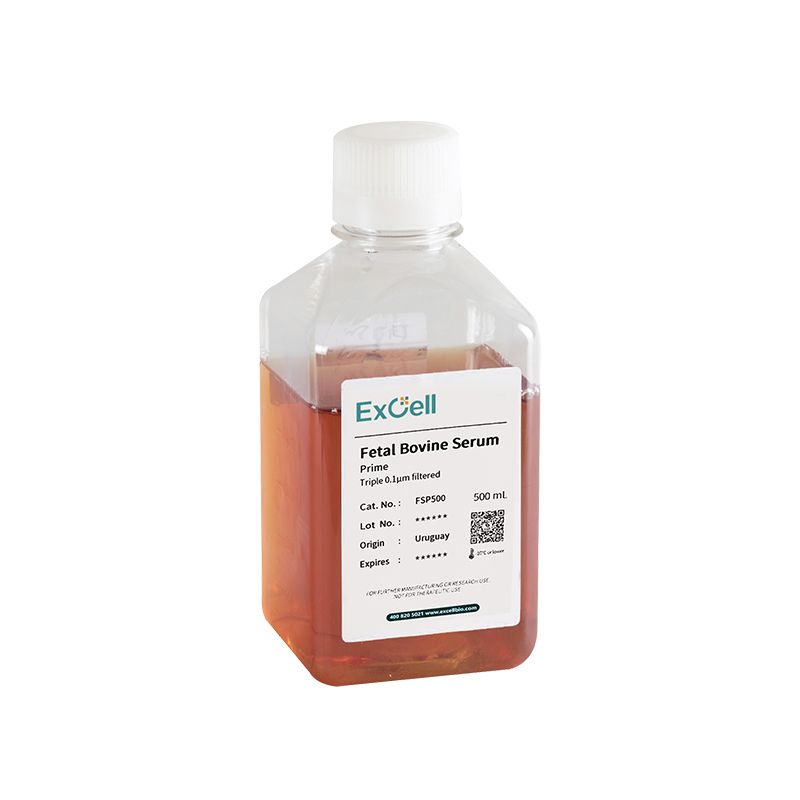
3) Emergency Fulfillment Time: record the average hours to ship replacement stock after a failed lot report. Aim for under 48 hours with documented cross-ship options. We require vendors to commit to this in contracts; it prevented a shutdown last December.
I speak from real runs, real losses, and real fixes. I vividly recall a Saturday morning in March 2014 when I found an entire cold room mislabeled; it cost us two months of validation and a direct $8,400 loss in media and reagents. That sight genuinely frustrated me and taught me to insist on chain-of-custody labels and digital temperature logs. We now provide buyers with template QC checklists, and we audit shipments quarterly.
In short: prioritize verified consistency, insist on transparency, and measure performance with the three metrics above. I prefer suppliers who welcome these checks—those are the suppliers I keep in my rotation. For practical sourcing and reliable serum options, consider the resources at ExCellBio.