
Opening: why policy-makers and utilities should pay attention
Folks, when municipalities and utilities sit down to stretch out capital projects, it ain’t just accounting — it’s reshaping how neighborhoods get power. Distribution-level deferral schemes let utilities delay expensive line upgrades by deploying distributed resources instead, and one of the clearest tools in that toolbox is commercial battery storage. That storage can shave peak demand, manage localized congestion, and reduce transformer overloads, which in turn changes the timing and scale of transmission or substation investments.
Policy context and a real-world anchor
Look no further than the wake-up calls we had in recent years — the ERCOT winter storm of 2021 and recurring wildfire-related Public Safety Power Shutoffs in California — to see how brittle a purely centralized grid can be. Those events pushed regulators and utilities to consider alternatives to big-ticket capital spends: demand-side solutions, DER deployment, and storage-driven grid deferral. When policy incentives and interconnection rules align, distribution-level storage can become a cost-effective substitute for some traditional upgrades.
How commercial battery projects enable grid deferral
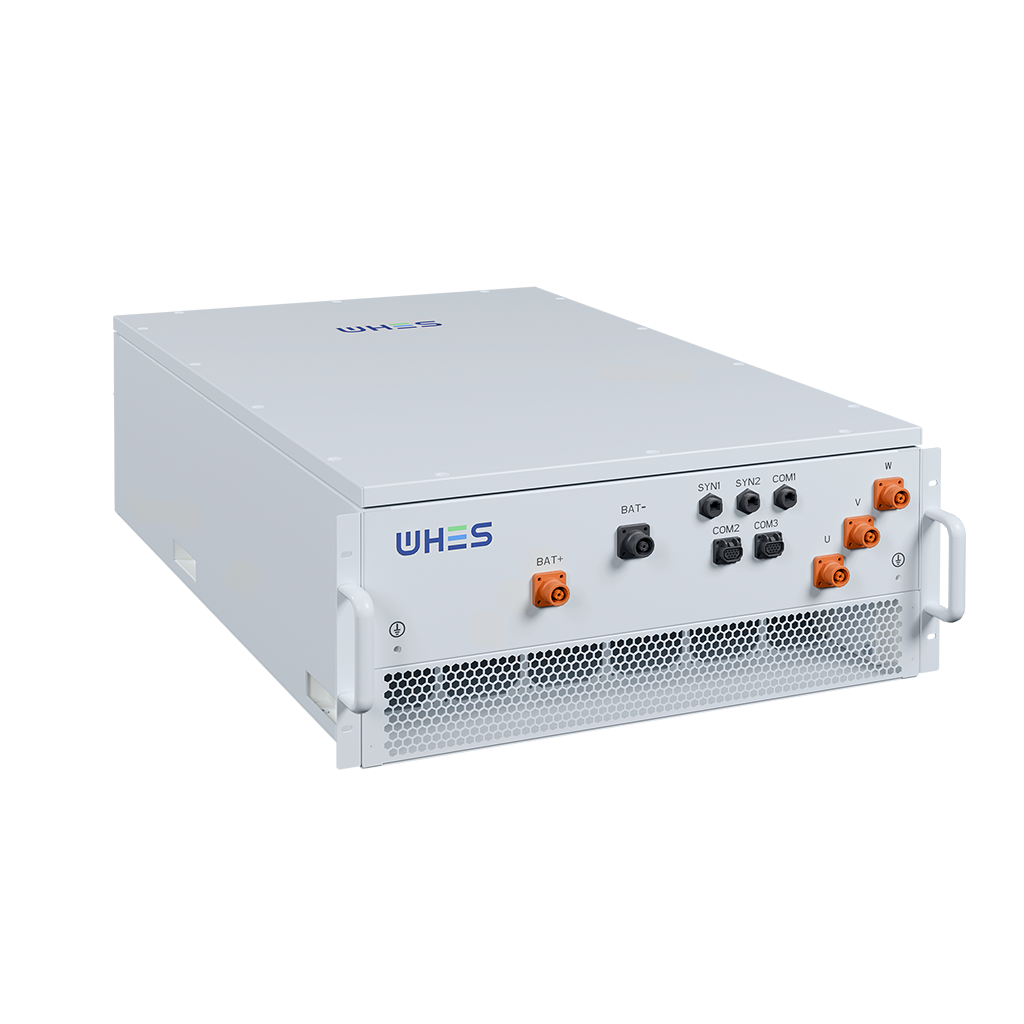
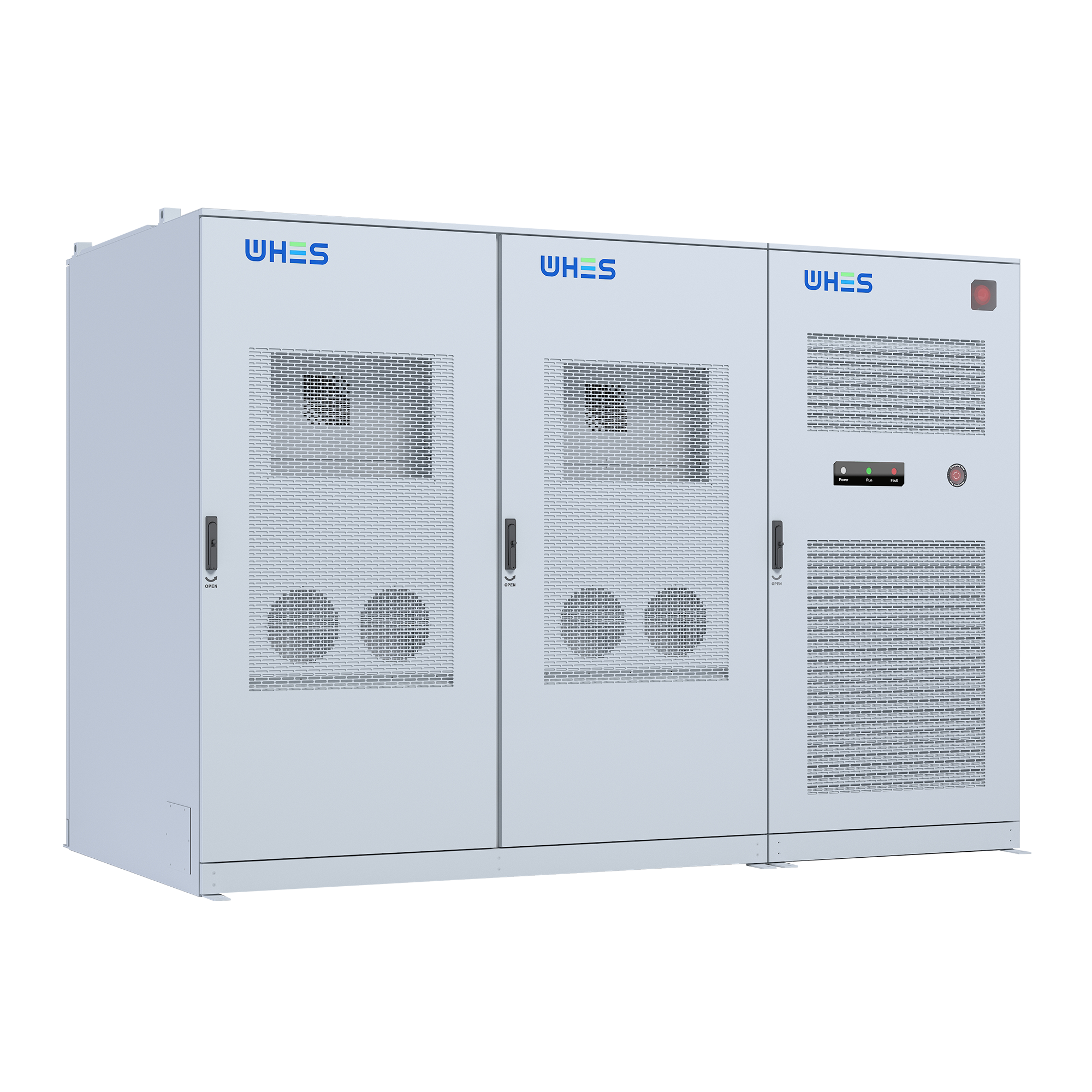
At the distribution level, batteries deliver a handful of technical functions that matter to planners: peak shaving to lower coincident peak demand, capacity value to firm local load, and fast-response voltage support during transient events. By strategically siting batteries near constrained feeders, utilities can reduce load on overloaded transformers and postpone substation upgrades. That said, the devil’s in the technical details: control logic, telemetry, and contractual arrangements with third-party owners must be nailed down so the battery reliably behaves as the deferral asset the utility expects.
Design considerations and common pitfalls
There are a few traps y’all oughta watch for. First, assuming export-only pricing mechanisms will incentivize the right behavior — they often don’t. Second, underestimating round-trip efficiency and cycling degradation when modeling long-term deferral value. Third, ignoring the integration work: interconnection upgrades, protection coordination, and communications can eat into projected savings. — A practical rule: model the battery both as an operational asset (peak shaving, frequency response) and as an asset that must meet prescribed utility performance windows to qualify as a deferred-capex substitute.
Where industrial solar battery storage fits
Pairing on-site PV with industrial solar battery storage expands the value stack. Solar reduces daytime load, batteries shift that energy to afternoon-evening peaks, and together they reduce feeder stress. In many distribution-deferral proposals, the combo boosts the effective capacity value and provides a clearer monetization route — via tariff savings, avoided capital, or both. But keep an eye on state interconnection rules and rate design; they determine whether combined assets can legally and economically be dispatched to serve grid-deferral objectives.
Stakeholder models: who owns and who operates?
Several ownership paradigms exist: utility-owned; third-party owned with firming contracts; or community/shared ownership. Each model alters incentives. Utilities often prefer ownership for reliability assurance, while third-party models can accelerate deployment and shift capital risk. Contract structures must define dispatch priority, availability windows, and penalties for non-performance — otherwise the batteries might get used for merchant revenue instead of the deferral service they were meant to provide.
Evaluation framework for policy-makers
When you evaluate a distribution-level deferral proposal, compare scenarios with and without storage across lifecycle costs, not just up-front price. Include avoided outage risk, reduced maintenance, and environmental co-benefits in the analysis. Consider pilot deployments on a few feeders before scaling — those pilots reveal real-world behavior, telemetry needs, and community acceptance issues that modeling alone never does. — Pilots also help calibrate capacity value estimates used in regulatory filings.
Three golden rules for choosing strategies and vendors
1) Measure value holistically: require proponents to present lifecycle NPV that includes avoided capex, O&M, and reliability benefits — not just simple payback. 2) Demand operational guarantees: procurement should include clear availability windows, response times, and penalties tied to performance during prescribed peak events. 3) Insist on interoperability and standards: batteries must play nicely with utility SCADA, DERMS, and market signals to deliver reliable peak-shaving and voltage support over the long haul.
Closing: practical takeaways and who can help
If you want distribution deferrals that actually stick, you need coherent policy, robust procurement frameworks, and vendors who understand both storage tech and utility operations. That’s where experienced integrators step in — they bridge the planning assumptions and the on-the-ground controls that make batteries act like predictable grid assets. For many utilities and commercial operators, that’s the exact value WHES brings to the table, helping translate pilot learnings into repeatable deployments. —
Adopt these three measures and you’ll pick strategies that deliver measurable deferral value, operational certainty, and smoother interconnection pathways: lifecycle cost accounting, enforceable operational SLAs, and standards-based integration; trust the outcomes — I’ve seen ’em work. WHES. –