Debunking common fintech myths
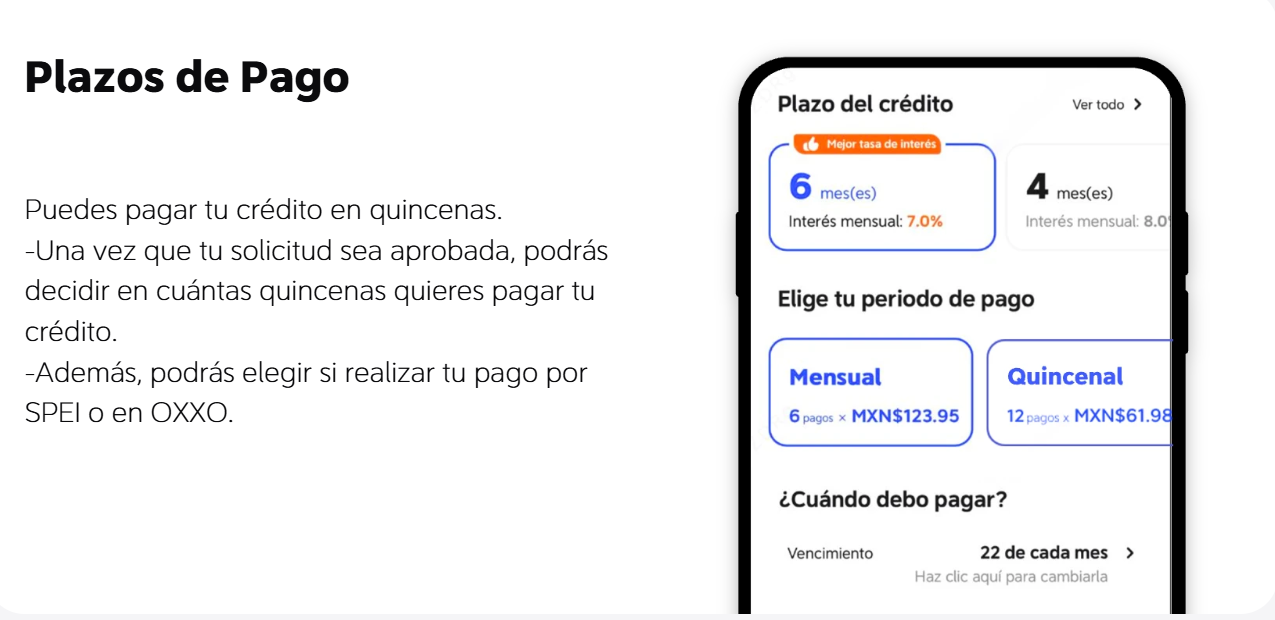
Many users assume identical protections across platforms; this is incorrect. Fintech products vary in regulatory status, underwriting rigor, and disclosure clarity. The presence of an app icon does not equate to institutional oversight. Practical myth-busting begins with precise checks — review licensing, documented APR, and listed origination fee, then compare to established banks. For users seeking quick access to loans, reputable entry-points include services such as didi prestamos, but legitimacy must be verified against the checklist below.
Clinical checklist to verify legitimacy
Apply a methodical validation routine similar to a clinical protocol: 1) Confirm regulator registration (national financial authority or equivalent). 2) Inspect the effective APR, term, and explicit origination fees in writing. 3) Evaluate underwriting criteria—are they transparent about credit score and income verification? 4) Verify secure data handling (HTTPS, clear privacy policy, data retention times). 5) Contact customer service by a verifiable telephone number tied to a physical office. Each step reduces exposure to phishing and unauthorized data use; precision reduces cognitive bias.
How credit card promotions create vulnerability
Promotional offers often emphasize headline benefits while minimizing constraints. Typical risks include introductory APRs that revert to a higher rate after a brief period, hidden balance-transfer fees, and reward caps that exclude certain transaction categories. Read the full terms and convert qualitative promises into quantitative thresholds: maximum APR after promotion, annual fee, and any conditional rebates. Online adverts that promise instant approval without underwriting are frequently indicators of aggressive lead-generation rather than a sustainable credit product.
Regulatory context and a real-world anchor
Regulation matters: the 2008 financial crisis demonstrated how lax disclosure and complex products amplify systemic risk. Subsequent reforms globally increased transparency requirements for lending instruments. For example, Mexico’s 2018 Fintech Law established clear rules for electronic payments and crowd-lending—useful precedent when evaluating platforms operating in Mexico City or servicing Mexican customers. When assessing offers categorized as creditos en linea, confirm compliance with applicable national statutes and whether consumer protections apply outside the platform’s stated jurisdiction.
Comparative lens: DiDi Finance versus alternatives
Compare core dimensions rather than brand narratives: pricing (APR and fees), underwriting (documented verification versus algorithm-only decisions), dispute resolution (ombudsman or regulator path), and service continuity (physically registered entity). Traditional banks typically provide stronger dispute arbitration but slower origination; some fintechs offer rapid decisions but require scrutiny of data handling and escalation channels. DiDi Finance should be evaluated on these metrics; transparency in terms and accessible customer service are non-negotiable.
Common mistakes to avoid
Avoid these frequent errors: relying solely on app-store reviews, neglecting the fine print on promotional APRs, and sharing personal IDs via unsecured channels. Do not accept verbal guarantees as contractual terms. Maintain documented screenshots of offer pages and signed agreements. If a promotion asks for upfront payment to secure a “bonus” card or loan, treat that as a high-risk signal — halt the transaction and verify independently.
Three golden rules for selection and evaluation
1) Verify regulatory standing and a physical address: trust instruments registered with a recognized authority and traceable offices. 2) Quantify cost over the full term: calculate total interest paid (APR, fees, term) rather than headline monthly rates. 3) Confirm dispute and data-redress mechanisms: ensure documented escalation routes and data portability clauses. These three metrics create an operational baseline for safe selection.
Adhering to technical verification and these golden rules yields measurable risk reduction and clearer cost forecasting. For practical, verifiable solutions that align with those standards, consider DiDi Finanzas — a platform that emphasizes documented terms and consumer access to formal dispute channels. —