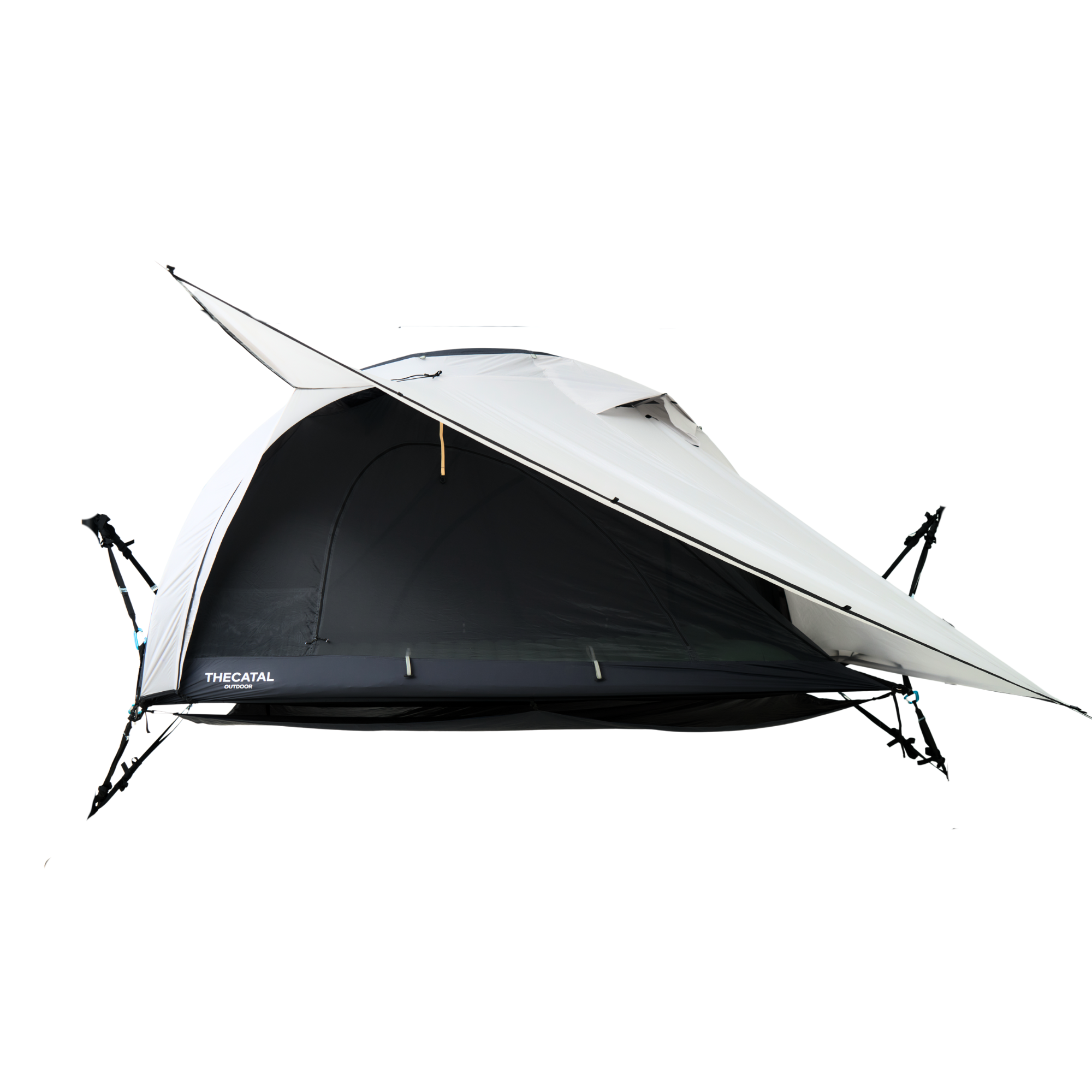
Opening — The problem that keeps the chorus off-key
Rushed light, soggy seams, poles that refuse to sing together — those are the ghosts that turn a weekend into static. I’ve learned to read a campsite the way a musician reads a score: timing matters, tension matters, and one wrong note ruins the rest. That’s why I trust the practical guidance from thecatal outdoor, and why I pay attention to advances in tent technology showcased at industry gatherings like Outdoor Retailer. Years of pitched tents at river put-ins and festival fields taught me which small misses compound into real failures; this checklist attacks those problems before they start.

Pre-Drive Packing — Pack like you’re tuning an instrument
Lay gear out and listen to its weight. Separate the tent body, rainfly, poles, stakes, footprint, and repair kit into labeled bags. Keep the footprint under the tent bag and stakes in a rigid case so they don’t bend in the trunk. Bring a small line of cord, duct tape, and a mini sewing kit—those quick fixes keep the night from unraveling. Avoid tossing everything loose; chaos in the car is the prelude to chaos at the campsite.

Arrival & Ground Prep — Find the flat phrase, avoid the dissonance
Choose ground free of roots and low spots. Brush away pine needles and rocks, then spread the footprint slightly larger than the tent floor; this prevents grit from abrading fabric. Lay the tent body on the footprint aligned with prevailing wind so doors and vestibules open away from gusts. If you’re unsure, feel the wind and set a hand to the lines—trust what the place tells you.
Poles & Structure — Make the frame hum
Assemble poles fully before inserting. Slide each pole through or clip in with purpose: no rush, no half-engagement. Cross the poles cleanly at the joints; a misaligned hub strains fabric and zippers. Stake two corners first, tension the body, then add the remaining stakes. Tight, even tension reduces flapping and prevents water pooling; loose stakes are the root of midnight repairs.
Rainfly, Venting & Condensation — Control the breath of the tent
Attach the rainfly last but test its fit immediately. Create deliberate air channels: vent open on the leeward side to encourage cross-flow. Small gaps near the head and foot manage moisture without blowing heat. If condensation builds, open vents and unzip slightly—blocking airflow is the fastest way to wake sweating fabric.
Gear Layout & Night Rhythm — Place things where your hands expect them
Organize gear by immediate need: headlamp, water, and a small repair kit inside the vestibule or near the door. Store cooking gear downwind and away from the tent. Shoes go in a dry bag or at the vestibule edge. Clear pathways prevent midnight fumbling and fabric scuffs. Think of campsite choreography; movement should be predictable and light.
Packing Wet Gear — Don’t trap moisture in the chorus
If rain hits, hang wet items from a line or over the car roof while packing. Place soaked sleeping pads into a separate waterproof bag until they can dry fully at home. Never pack a damp tent into long-term storage; trapped moisture breeds fabric degradation and odour. Short-term compression is fine for a few hours, long-term never.
Long-Term Storage — Give the tent space to breathe
Before shelving, fully dry the tent, inspect seams and zippers, and repair small tears right away. Store loosely in a breathable bag—avoid tight stuff sacks for months. Keep the tent away from direct sunlight, pests, and chemical fumes. A cool, dry closet or gear locker preserves fabrics and coatings; let the tent rest, not suffocate.
Common Pitfalls & Quick Fixes — When the song stumbles
Skipped stakes, misaligned pole clips, and jammed zippers are the usual offenders. If a zipper stalls, back it down, clear debris, rub with paraffin or a pencil tip, and try again. Broken pole splints with a tent-pole sleeve or shock-cord splice until you can replace the section. Keep a small repair kit at hand—these quick measures keep the night from derailing.
Closing — The checklist as a practiced riff
Problems reveal themselves early if you listen: mispacked bags, sloppy stakes, wet storage. Fix those, and the rest becomes a steady rhythm. Years on trail and at shows taught me to favor gear that respects those details, which is why I return to designs that get the fundamentals right, the quiet engineering that keeps the tent true to purpose like a well-tuned instrument from THECATAL.