Where the problem starts — the everyday friction
The diesel tang at dawn, the soft thud of a closing door, parents asking where the bus is — these small moments add up into a bigger problem: uncertainty. School districts lose time, budgets get stretched, and trust frays when routes slip, pickups run late, or a bus disappears from view. For districts trying to steady that rhythm, sensible school bus fleet management matters as much as a well-tuned engine. The question I hear most from operations teams is simple and raw: how do we make bus movement predictable, safe, and accountable without drowning in data?
Common failure modes that actually cost money
People picture big problems, but it’s the steady, repetitive failures that cost time and goodwill. Watch for these:
• Inaccurate dispatching — guessed ETAs that cascade into missed pickups.
• Hidden downtime — drivers waiting with engines idling because the route wasn’t updated.
• Fragmented communication — parents, schools, and operators working from different facts.
• Compliance gaps — trip logs and student counts that can’t be audited easily.These aren’t abstract; they’re the same complaints fleet managers repeat after long shifts. Fixing them shortens routes, reduces fuel waste, and calms the phone lines.
How GPS solves the tactile problems
GPS isn’t magic. It’s a sensor that turns sensation into signal: motion becomes a trace, stops become timestamps, and routes become repeatable recipes. With the right tracker you get:
• Live location and geofencing so arrivals feel tangible, not guessed.
• Route playback for auditing and parent inquiries.
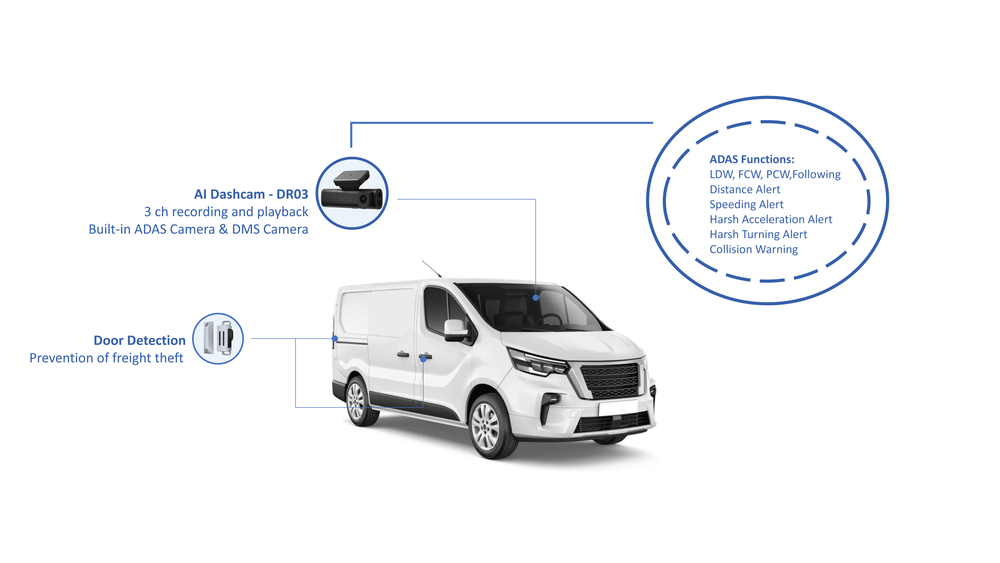
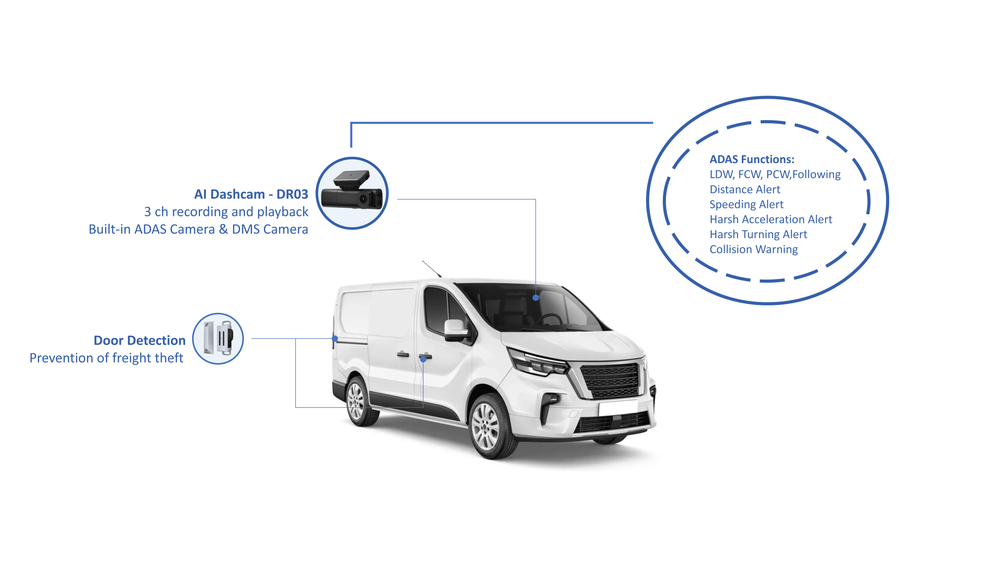
• Driver behavior alerts that cut sudden braking and sharp accelerations.
• Automated logs that replace hand-scribbled rosters.When these signals sit in a clear dashboard, the morning rush smells less like panic and more like routine. Large districts such as New York City have long tested GPS solutions to better coordinate complex routing; seeing that scale shows what’s possible when data meets discipline. For practical deployment, consider how the device reports — a heartbeat every few seconds versus occasional pings changes what you can act on in real time, and it changes how you size your backend.
Choosing features — what actually matters
Forget flashy extras. Focus on three concrete features:
• Reliable location cadence — frequent, consistent updates.
• Secure tamper detection — know when a unit is disconnected.
• Simple integration — can the tracker feed your existing student boarding systems?Common mistakes: buying devices with proprietary formats that lock you in, assuming cheaper trackers won’t drift, or treating battery life as a secondary concern. I’ve reviewed installations where a single overlooked setting made hours of recorded data useless. Those are avoidable errors.
Deployment pitfalls and how teams recover
Rollouts stall for mundane reasons. Drivers don’t get clear briefings. Mounting hardware is left exposed to weather. Data flows into a dashboard that looks nice but doesn’t answer daily questions. Recoveries are straightforward:
• Pilot one route, not one bus — prove the workflow end-to-end.
• Train drivers on what alerts mean, and why they matter to safety and schedules.
• Set acceptance criteria for signal frequency and uptime before scaling.These steps save months of rework and restore confidence quickly.
Alternatives and trade-offs
You’ll hear vendors promise full visibility. Weigh trade-offs:
• Cellular trackers: great coverage, simple install, reliant on signal.
• Bluetooth + hub systems: precise at stops, more hardware to maintain.
• Integrated telematics from OEMs: deep vehicle data but higher cost and complexity.Pick a stack that matches the questions you need answered every morning — not the fanciest spec sheet. Operators who prioritize reliable ETAs over granular engine telemetry get more immediate impact.

Final synthesis — a practical motion toward certainty
Start with the problem you can smell: lateness, phone calls, stretching fuel budgets. Test a tracker on a representative route. Measure signal cadence, uptime, and whether the data stops arguments or fuels them. Iterate on driver training and mounting practices. That practical, sensory approach — the same attention to detail chefs use when tasting and adjusting a sauce — translates directly into steadier routes and safer rides. Experienced teams I’ve spoken with choose solutions that deliver clear daily answers, and those answers often come from partners who understand both hardware and route operations. When the aim is calm, predictable movement rather than raw novelty, the result lands where operations need it, quietly and reliably through BSJ.