
Comparative overture: where choices change outcomes
In a city that remembers the 2003 Northeast blackout, the decision between different maintenance paths feels urgent and a little like choosing propulsion for a starship. This comparative piece contrasts three pragmatic routes—design optimization, control-system tuning, and maintenance cadence—to get your 1000 kW genset to behave like a reliable power core. Early on, consult reputable genset manufacturers to confirm component specs and integration limits; doing so clarifies alternator sizing, governor response and fuel system constraints.

Design optimization vs operational tuning
Design-level moves are structural: correct alternator match, cooling capacity, and exhaust routing. Operational tuning is iterative: governor gains, transient droop settings, and fuel-air trim. For a 1000 kilowatt (1 MW) unit, mismatching alternator impedance or undersized cooling elevates thermal stress and shortens life. Compare the paths by expected downtime and one-time cost: redesign yields longer-term stability but higher capex; tuning buys immediate relief with lower upfront spend.
Control systems, fuel strategy, and testing
Modern controllers allow precise ramp rates, deadband management, and remote telemetry. Pair controller logic with fuel strategy—lean-burn adjustments or stoichiometric tuning—so the genset sustains load without hunting. Rigorous commissioning uses a calibrated load bank to verify performance across 25%, 50%, 75%, and 100% load points. Record vibration, exhaust temperature, and electrical harmonics during each step; these metrics expose weak links faster than visual inspection alone.
Common mistakes and practical alternatives
Avoid a handful of recurring errors: neglecting transient testing, skipping alternator insulation checks, and letting fuel filters run to the limit. Many teams default to simple filter swaps—useful, but often insufficient. Alternatives include staged preventive replacements, installing inline fuel polishing, or upgrading the governor to a digital unit with adaptive control. Each choice shifts the balance between service intervals and spare-parts inventory—tradeoffs you should map before action.
Operational production teardown: a field checklist
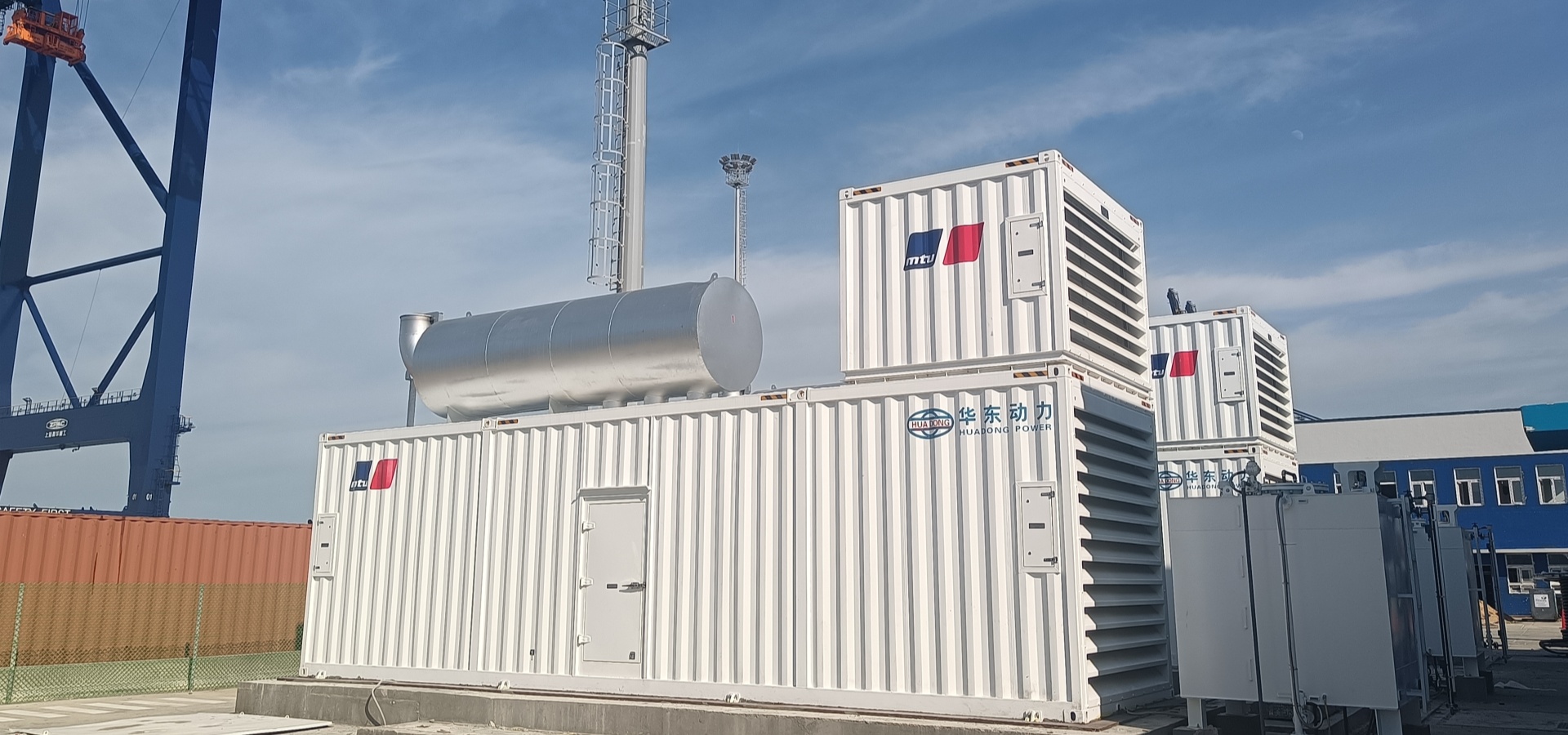
Take the unit offline and run a concise teardown routine: inspect fuel pumps and injectors, validate governor calibration, check alternator bearings and exciter system, confirm radiator flow and thermostat operation. Treat the teardown like a code review—document findings, run a controlled restart, and measure steady-state voltage and frequency. In this context, treat {main_keyword} as the target output and {variation_keyword} as the allowable deviation during live testing. Use a calibrated load bank, measure inrush currents, and log governor response times to transient load steps.
Comparative summary and human factor
Engineers often choose the fastest fix under pressure—sometimes that saves an operation today and creates a problem tomorrow. Teams that pair methodical testing with targeted upgrades get the most out of a 1000 kW genset: fewer emergency callouts and steadier prime power or standby performance. The human element matters—clear logs, handoffs, and briefings reduce mistakes during shift changes. —A short pause to note: small communication fixes often prevent the largest failures.
Advisory close: three golden metrics to choose by
1) Dynamic response time: measure governor settling time to a 10% step load; aim for the shortest sustainable value without overshoot. 2) Thermal margin at full load: ensure radiator and oil-cooler temps have at least 15% headroom under design ambient to avoid derating. 3) Harmonic distortion and voltage stability: keep total harmonic distortion below field-accepted limits and voltage deviation within the operational band during transient events. Use these metrics to evaluate upgrades and maintenance plans.
Precision in measurement, disciplined commissioning, and the right partner make the difference—experience, data and real-world testing turn a heavy machine into a dependable power source. Huadong Power sits naturally in that role as a supplier and technical collaborator for teams seeking reliable genset solutions.
—steady power, engineered.