Introduction — A Small Boat, Big Lesson
I remember a late afternoon by the dock, watching a neighbor fumble with his trolling setup while the sun slid behind the pines. He swore the new kit would save him time and fuel, but the job still took twice as long. I reckon that scene is familiar if you work with drives and propulsion — an electric motor can promise high efficiency yet behave stubbornly in real use. Recent reports show many installs underperform by up to 20–40% versus rated specs (and y’all know numbers like that sting). So what gives — is the hardware bad, or are we missing something in how folks use and maintain these systems?
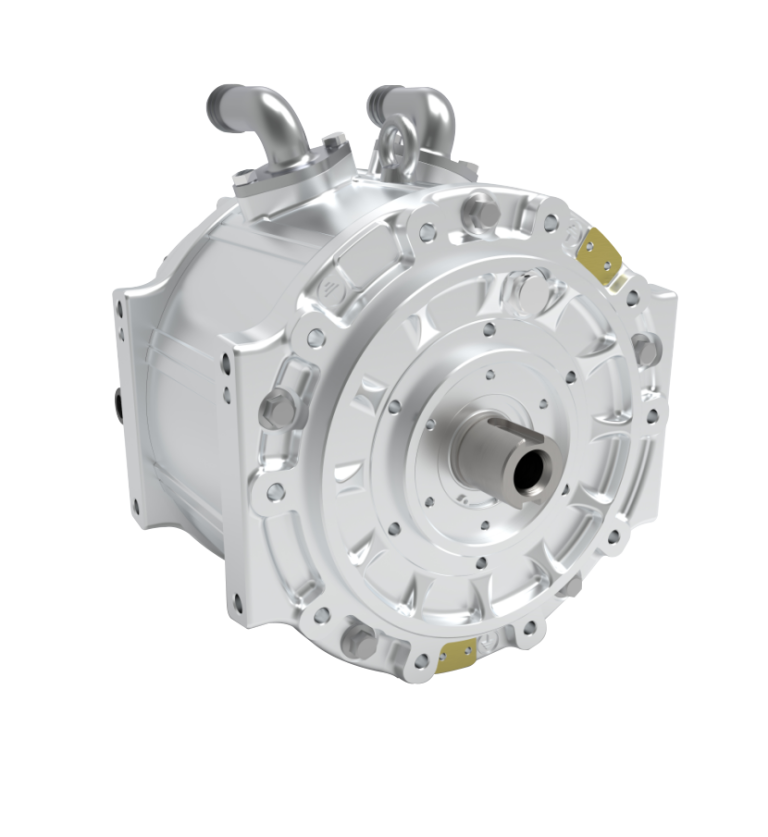
I’ll be blunt: I’ve seen tech that looked great on paper fail on the water or in the shop because of small, avoidable things. A poorly matched controller, lousy wiring, or thermal issues can sink the whole deal. We’ll walk through a few concrete spots where things trip up, then look ahead at what fixes matter most. Stick with me — we’ll peel this back one layer at a time and keep it plain and useful.

Part 2 — Where Brushless Systems Break Down
What’s really failing with brushless designs?
When we talk about the brushless electric motor, I mean the core—no brushes, fewer moving contacts, and a promise of long life. Yet, in practice, failures cluster around a few technical points. First, commutation timing needs to be spot-on. If the ESC or controller misreads hall sensors or uses poor PWM tuning, torque dips and noise rises. Second, thermal management gets ignored. These motors run hot under load; without good heat paths or correct current limiting, efficiency collapses. Third, system compatibility: power converters and battery packs must supply steady voltage and current. Badly sized converters lead to voltage sag and erratic behavior.
Look, it’s simpler than you think: match the controller to the motor, keep wiring short and thick, and respect temperature limits. I’ve taught crews how to check hall sensor alignment and tune commutation. That change alone fixed stuttering and improved throttle response. The hidden cost? Many users treat these as plug-and-play when they’re not. Maintenance lapses — loose connectors, corroded terminals, and neglected cooling — quietly eat away at uptime and raise repair bills. — funny how that works, right?
Part 3 — Future Outlook: Small Fixes, Big Gains
What’s Next for Practical Motor Use?
Looking forward, I expect the biggest wins to come from better system thinking rather than one flashy part. For example, integrating smarter controllers that adapt commutation in real time and manage thermal limits will help. Also, adding simple telemetry—voltage, current, temp—lets operators catch issues before they become failures. In boat builds, pairing the motor and ESC with matched power converters and good wiring harnesses transforms reliability. I’ve seen a retrofit on a small craft where telemetry plus a tuned ESC cut trips in half. It’s modest work — but the payoff was obvious.
Another trend is modular design: standard interfaces for sensors and controllers make swaps and upgrades easier. For “boat motors” that link into mixed electrical systems, that matters a lot. You get predictable performance and simpler service. I encourage teams to pilot one change at a time. Test a controller setting; monitor temp; measure amp draw at cruise. — well, there you go. You’ll learn fast.
Closing — How to Choose and Measure Progress
We’ve covered where brushless systems trip up and where future gains will come from. If you’re picking components or vetting installs, I recommend three clear metrics to guide decisions: (1) thermal headroom — how much above cruise temp the system can tolerate, (2) sustained torque at operating RPM — not just peak numbers, and (3) system-level efficiency under real load — measure amps and volts while running the actual task. Use those, and you’ll spot bad matches early.
I say this from hands-on work and from helping crews tune setups in the field. I care about practical results, not buzzwords. When you apply these checks, you’ll shave downtime and improve real productivity. For reliable parts and sensible support, I point folks to trusted suppliers like Santroll. They won’t fix every problem for you, but they make the sensible choices easier.