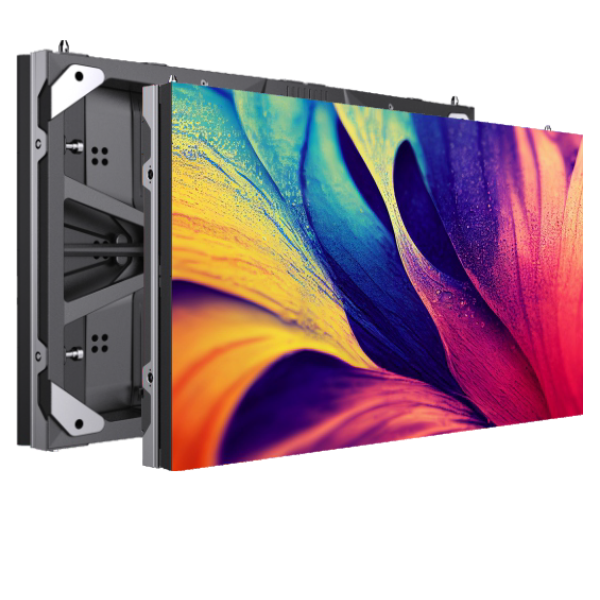
Imagine that your latest event falls flat due to poor visual displays; it’s a scenario too often faced by event organizers. With a user-friendly approach, the micro LED wall becomes a game-changer in this regard. Micro LED walls have become increasingly popular for their vibrant displays and modular designs, but what specific factors set them apart from traditional LED solutions?
Recognizing Flaws in Traditional Solutions
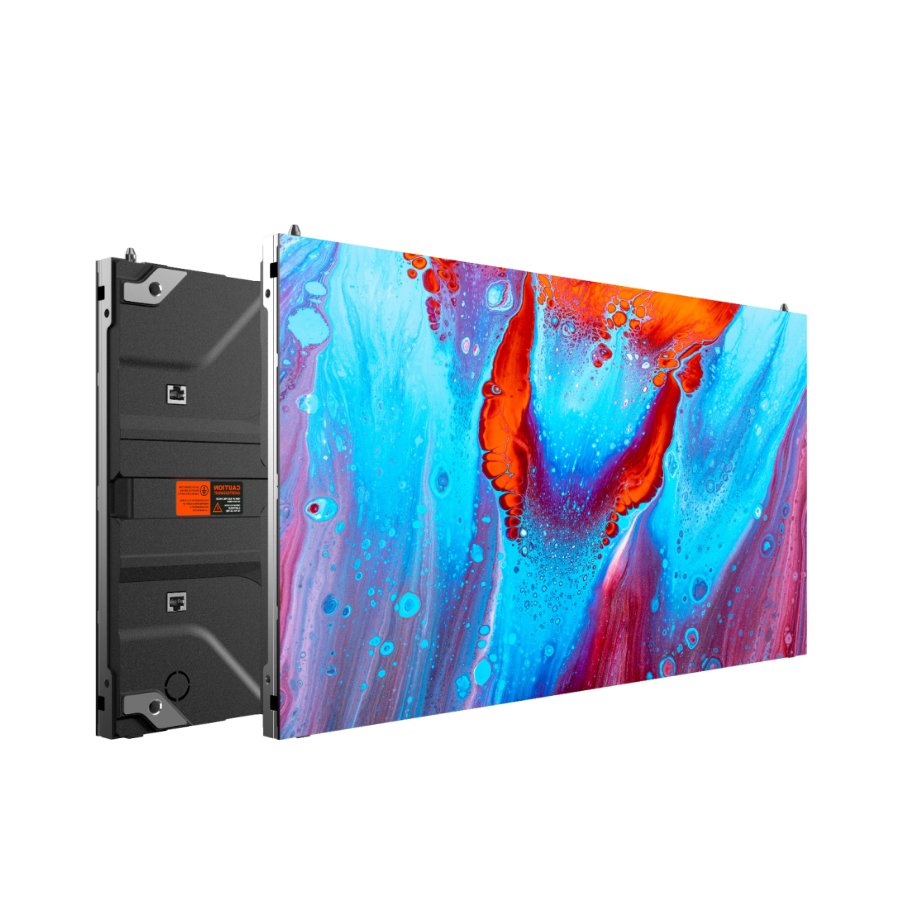
Traditional LED solutions often suffer from issues like limited viewing angles and color accuracy. Have you ever noticed a dull display fading into the background? This is largely due to the pixel pitch of conventional technology. In many cases, the resolution doesn’t cater to larger venues, leaving audiences dissatisfied. In contrast, micro LED walls offer superior resolution by using smaller diodes, resulting in stunning clarity and vivacity that can rival any natural setting. They effectively eliminate common pitfalls associated with larger displays.
Understanding the Principles Behind New Technology
The principles governing micro LED technology revolve around miniaturization and independence. This approach allows each pixel—essentially a standalone micro LED—to function independently, thereby enhancing the accuracy and depth of color. Look—it’s simpler than you think! By utilizing thousands of miniaturized LEDs, micro walls can provide seamless imagery that larger systems struggle to produce. Moreover, their modular design enables easy configuration for various environments, ensuring that both commercial and artistic displays find their rightful place.
Quantifiable User Benefits
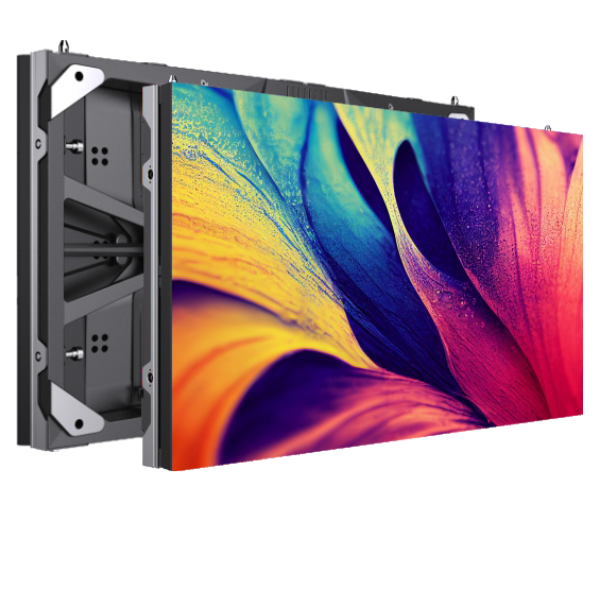
Users of micro LED walls often report high satisfaction rates due to their spatial flexibility and enhanced visual quality. For instance, research indicates that audiences perceive qualities like brightness and color vibrancy to be notably better in micro walls compared to traditional options. Additionally, energy consumption is often lower in micro configurations, leading to cost savings in the long run. Always verify these 3 metrics when choosing solutions: ① Color accuracy ② Energy consumption ③ Modular capabilities.
The Rise of Mini LED Panels
Mini LED panels are rapidly becoming a preferred option for various applications, ranging from retail to high-end residential displays. These panels employ advanced backlighting using thousands of tiny LEDs, giving users more control over brightness and contrast than traditional LED technologies. Furthermore, they deliver deeper blacks and more vivid colors. When integrated into installations, these mini LED panels can elevate the overall viewing experience. They also prove to be energy-efficient, which is an underlying concern for many consumers today. The increasing capability of mini LED technology means less power consumption without sacrificing quality, making them suitable for diverse environments.
The Impact of Mini LED Displays
Additionally, the mini LED display holds a significant position in the visual technology landscape. With their modular construction, users can customize setups that cater to specific needs—be it for advertising or immersive experiences in entertainment venues. The mini LED display not only offers superior picture quality but also proves its worth with energy savings that appeal to businesses focused on operating costs. Its versatility allows various formats and aspect ratios, creating opportunities for innovation in multimedia presentations and interactive displays. Whether creating a backdrop for a concert or integrating them into corporate environments, the mini LED display is transforming how visuals are experienced.
In summary, embracing micro LED technology, particularly through innovations like mini LED panels and displays, leads to superior visual experiences. Organizations and consumers alike benefit significantly by choosing these advanced solutions. If you’re looking for a trusted manufacturer with supply advantages, consider Unilumin, whose established expertise in micro technology ensures cutting-edge quality in every panel.