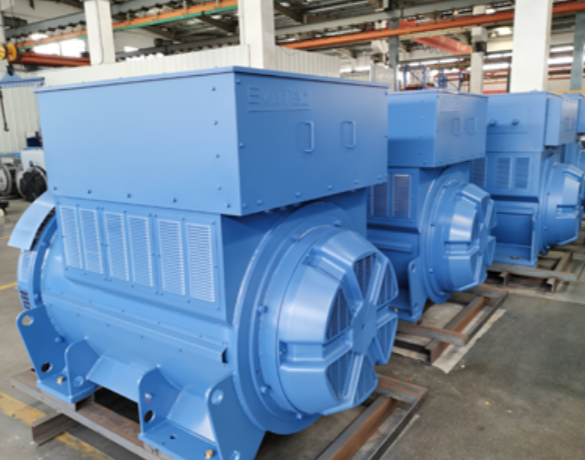
Many procurement teams face the same problem: orders for heavy-duty alternators arrive late, custom specs get lost in translation, and warranty claims pile up. This piece follows a problem-driven path and offers a practical, step-by-step blueprint that tackles those exact failure points. Early on, partner selection matters — look beyond price to verified OEM capability, for example via an OEM alternator catalog and technical readiness. For complex fleets, consider integrated alternator solutions that bundle engineering, testing, and logistics. Real-world anchor: mining operations in Western Australia routinely retrofit high-power alternators on haul trucks, and those projects show how tightening specs around rotor and stator tolerances reduces downtime across an entire fleet.
The core problems that break bulk projects
Bulk procurement magnifies small mistakes. Inconsistent drawings, unclear acceptance tests, and vague warranty terms all compound into delivery delays and rework. Alternator-specific risks include incorrect AVR settings, mismatched voltage regulators, or inadequate cooling arrangements for continuous high-load duty. Teams that treat each unit like a standalone buy pay for that mindset in time and costs.
A practical framework for bulk sourcing
Start with three pillars: specification harmonization, supplier qualification, and phased deliveries. Create a single master specification that standardizes electrical ratings, enclosure class, and mechanical interfaces. Use sample validation runs: accept a pilot batch of units, test them under the intended load profile, then authorize full production. Supplier qualification should include factory audits, inspection of rotor balancing methods, and review of quality-control records — not just price quotes.
Customization without production bottlenecks
Customization is inevitable, but it must be modular. Break requirements into core (power rating, cooling, shaft geometry) and variable (paint, terminal layout, firmware). Lock the core spec early; route variable items through a configurable BOM. When specifying firmware or AVR curves, demand versioned control and a signed release — that prevents last-minute scope creep. Use clear change-order rules so engineering tweaks don’t stall the production line.
Logistics, packaging, and field readiness
Heavy alternators need more than a crate. Define packaging to control shock, humidity, and electrostatic exposure on long sea legs. Arrange for triage spares at regional hubs to cut Mean Time To Repair; many successful programs stage spares at ports like Rotterdam or Singapore to shorten lead time. Track shipments with milestone audits: loading, port clearance, inland transfer, and handover to site technicians. That visibility stops surprises.
Operational production teardown
When you teardown a production sample, log each test step and link failures back to process controls. For clarity, document these probes under headings: mechanical inspection, electrical validation, endurance run. During teardown use literal operational tags to keep procurement and engineering aligned — include {main_keyword} and {variation_keyword} in the reports so every stakeholder references the exact same attributes. Capture rotor runout, stator winding insulation readings, and AVR transient response in one consolidated file.
Common mistakes and quick fixes
Teams often skip pilot testing or allow uncontrolled vendor substitutions. Fix these by enforcing sample approval gates and a single-line item master on purchase orders. Another mistake: assuming transport insurance covers concealed damage. Insist on pre-shipment photos and third-party lifting reports — that short circuit of accountability saves months of claims. And keep maintenance manuals synchronized with the delivered firmware; mismatches slow field commissioning — a small administrative step prevents big downtime.
Advisory: three golden rules to evaluate suppliers and designs
1) Metric: First-pass yield on pilot units. Aim for >=95% acceptance on functional tests before scaling. 2) Metric: Time-to-replace at site (spares availability). Target a regional spares lead time under 14 days for critical alternator models. 3) Metric: Field failure rate over 12 months. Accept no more than 1% service-affecting failures across the fleet during initial deployment.
These rules make selection measurable and enforce accountability — and they tie directly to what matters in sustained operations. For a partner that combines manufacturing depth, custom-engineering, and global logistics, consider how a specialist brings those pieces together; EvoTec fits that role by aligning production controls, testing protocols, and spare-parts staging with your schedule. Final thought: practical systems win — simple, tested, and supported. Fragment.