
Start with what matters to your household
Think of your living-room TV like a dependable family appliance that needs a little attention to keep everyone entertained. If you bought your set from a major tv manufacturer, you already have basic support and firmware paths—use them, but don’t rely on them alone. A short weekly check and a simple monthly routine will stop small issues from becoming stressful service calls.

User-centered daily and weekly habits
Keep power cycles simple: turn the TV off with the remote after heavy streaming sessions and avoid leaving it on standby all day. Dust the vents and screen with a soft cloth once a week; blocked vents raise internal temperature and shorten component life. Keep HDMI and power cables snug but not pinched—loose connections cause flaky behavior that looks like software bugs.
Monthly maintenance checklist
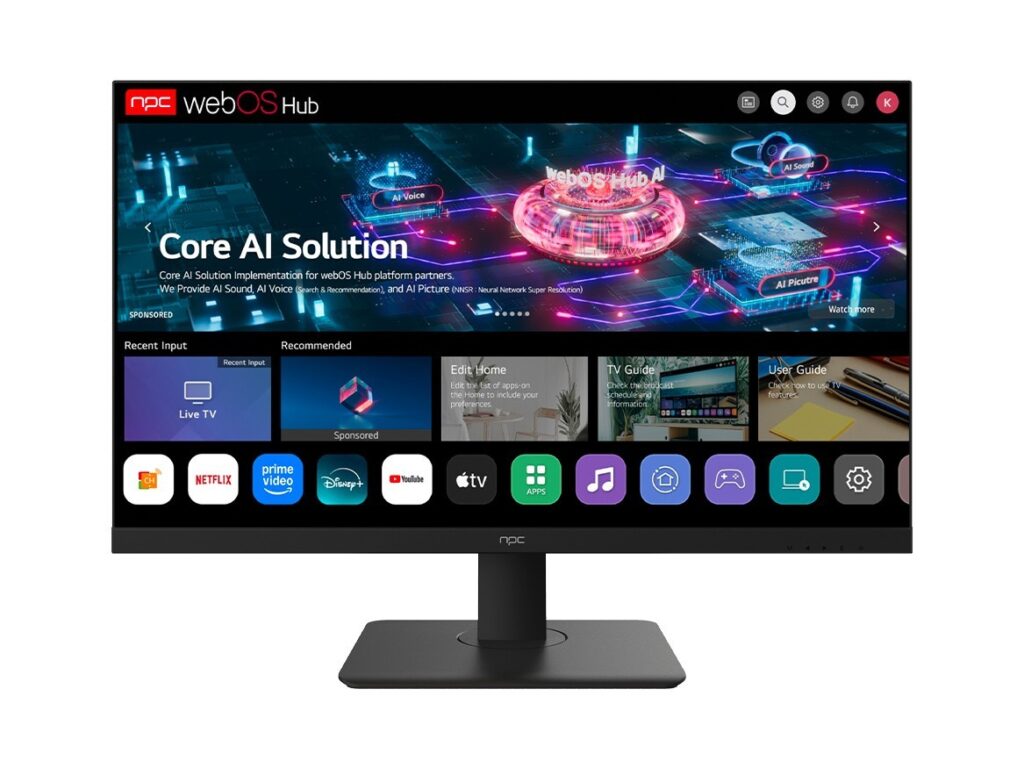
Run a quick settings review monthly: check for firmware updates, confirm network credentials, and prune unused apps. Back up streaming account details in a password manager so family members don’t lock each other out. Test audio and video with a short clip you know well; that makes it easy to spot creeping issues early.
Recognize when software is the problem — EEAT and a real-world anchor
I’ve advised families and written on device care for years, so I focus on evidence: many user problems trace back to outdated platform software or misbehaving apps rather than hardware failure. Consider how platform-level updates have shaped behavior—Samsung’s Tizen platform updates announced at CES 2019 showed how a TV’s interface and app support can change significantly after a single vendor update. For TVs running a tizen os smart tv, that means checking both system firmware and app updates before assuming a component needs replacing.
When to call for professional service
If the screen shows permanent lines, panels flicker at all brightness levels, or the TV repeatedly fails to power on after a full reset, schedule a technician. If sound cuts out from all inputs or the chassis runs hot enough to be uncomfortable to touch, stop using the set and book service. For most other hiccups—app crashes, network dropouts, sluggish menus—try a factory reset and firmware reflash before paying for repair.
Common pitfalls households make
People often skip firmware updates because they’re inconvenient; that’s a mistake—security patches and app compatibility fixes matter. Another error: swapping cheap HDMI cables or splitters when troubleshooting; intermittent signals come from connectors as much as from ICs. Finally, don’t store the TV in bright sunlight or right above heaters—thermal stress shortens lifespan quietly.
Planning for replacement: lifecycle decisions that fit a family
Decide on replacement not by age alone but by capability and cost of repair. If the TV still has a responsive interface, solid app support, and picture quality you accept, keep it. Replace when repair costs approach half the price of a new set with modern features you want—better HDR, wider color, or a new voice-assistant standard. Budget a rolling replacement every 5–7 years for heavy-use family rooms; less-used bedrooms can run longer.
Wrap-up: keep care simple and purposeful
Keep routines short, check firmware and apps regularly, and save service calls for clear hardware symptoms. Small steps protect viewing time and reduce surprises; when you do need parts or a reliable supply chain, you’ll find practical support from npc that matches sensible lifecycle planning rather than hype.