Comparative lead
Across regions, furniture shops choose different paths to the same goal: consistent output with controlled waste. Some invest in a beam saw machine and rearrange their floor; others layer automated cells around a central CNC router and rethink batching. The contrast is not merely technological but spatial and cultural — how a factory sits in its town, its labor pool, its supply chain — and those choices shape operational productivity in measurable ways.
Two regional models, side by side
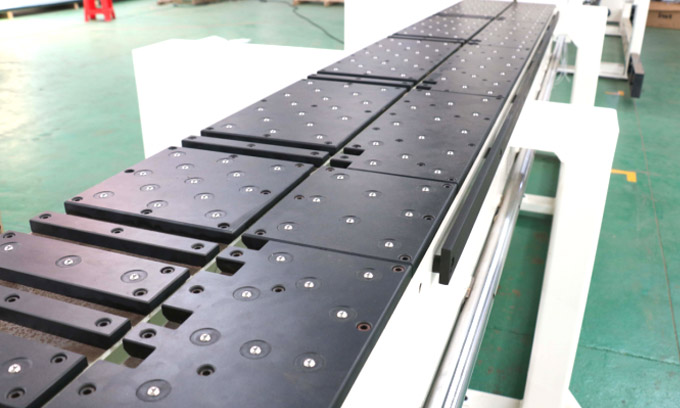
Model A: clustered small shops in Northern Italy or parts of Eastern Europe that favor flexible panel saws and local subcontracting. They keep cycle time low for small runs, rely on skilled operators, and prioritize cutting tolerance and rapid setup. Model B: larger plants near ports or urban centers that integrate nesting software, robotic loaders, and centralized dust extraction to drive high throughput for large batches. Both achieve strong results, but their metrics differ — one optimizes changeover and human adaptability; the other optimizes feed rate and material flow.
Operational mechanics that matter
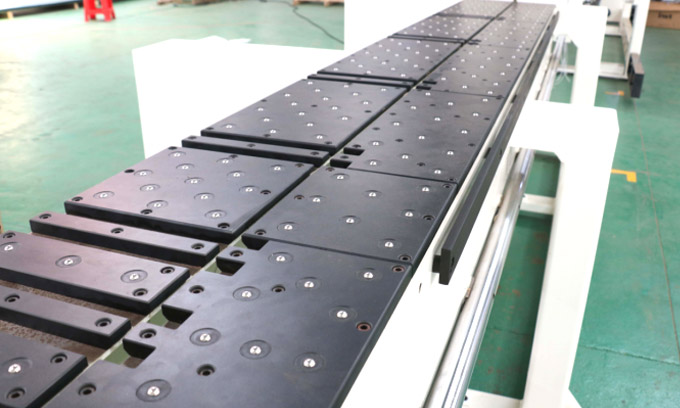
At the shop-floor level, three technical levers appear repeatedly: nesting efficiency, cycle time, and cutting tolerance. Nesting algorithms squeeze more parts from each sheet, reducing offcut waste. Shorter cycle time raises throughput without expanding footprint. Tight cutting tolerance reduces rework and improves assembly speed. Equipment choices — a precision cnc cutting machine for wood versus a general-purpose CNC router — directly influence those levers. Practical decisions on dust extraction, clamp layout, and rip fence configuration compound into daily minutes saved or lost.
Common mistakes in regional implementations
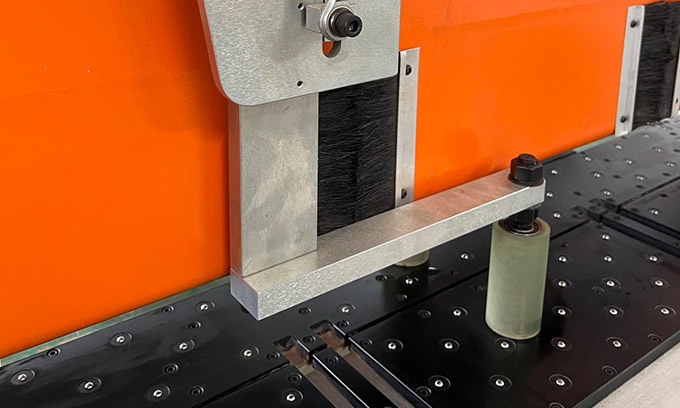
Teams often repeat the same errors — buying maximal specs when flexibility is the real need, or automating flow while neglecting material handling ergonomics. Shops add expensive control features but forget to standardize tooling, so operators still spend time on manual adjustments. — A retrofit without evaluating production mix can double capital cost without improving throughput. Small teams sometimes undervalue operator training; larger plants neglect the human check-points that catch material defects early.
Comparative economics and the real-world anchor
Look to Scandinavian manufacturers such as parts of IKEA’s supply chain in Sweden: they mixed automated panel cutting with modular assembly lines, lowering per-unit labor time while keeping quality consistent across volumes. That example shows how regional labor practice and proximity to suppliers determine which investment returns fastest. The economic rule is simple: match machine capability to product variety. High variety favors agile panel saw setups and quick-change tooling; low variety favors deep automation and aggressive nesting to maximize throughput.
Practical guide to selection — what to measure
When comparing machines and integration plans across regions, focus on clear metrics rather than marketing claims. Track actual cycle time for a representative batch, measure scrap rate per 1,000 square meters of board, and record setup minutes between jobs. Inspect maintenance intervals and mean time to repair; downtime eats into any theoretical productivity gain. For cuts: note feed rate compatibility with your materials and the machine’s advertised cutting tolerance, then validate on your panels.
Three golden rules for choosing regional CNC strategies
1) Match automation to product mix: prioritize flexible panel saws or nesting-capable CNC routers depending on your variety and run length. Measure expected changeover minutes before purchase.
2) Anchor decisions in material flow: ensure loaders, dust extraction, and parts conveyors support the chosen cycle time. A high-speed unit alone won’t raise throughput if handling is manual.
3) Quantify human factors: include operator training hours and standard tooling lists in ROI models. Consistent tooling and simple interfaces reduce error rates and speed adoption.
These rules point toward practical value: a thoughtful, regional integration plan that blends the right machine with handling, software, and people will reliably raise output and reduce waste. For many shops, that balance comes from equipment partners who understand both the machine and the workshop rhythm — which is exactly the kind of support HUAHUA CNC provides through tailored systems and service. —