Problem diagnosis
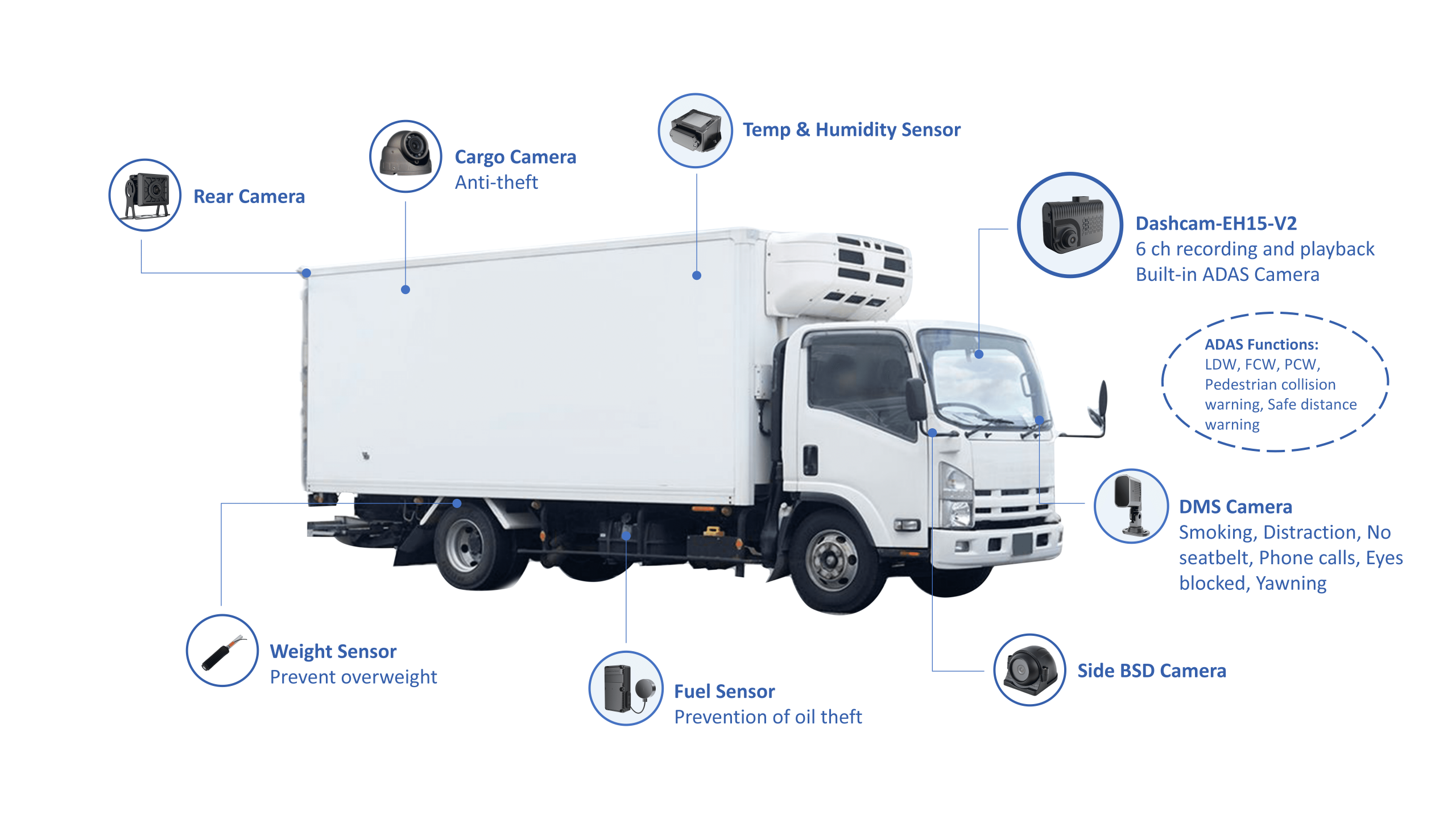
Fleets lose time and money when location data is unreliable, drivers repeat routes, and maintenance surprises show up mid-shift. Start with the problem: inconsistent location accuracy, delayed alerts, and sensor noise. Practical fixes rely on robust hardware and predictable software behavior. That’s where GPS fleet trackers first prove value — they give consistent coordinates and basic telemetry. Pair those devices with a gps fleet management system for rule-based alerts, route validation, and vehicle health correlation. Real deployments and audits tied to FMCSA hours-of-service rules show how missed data windows produce compliance headaches; that single constraint colors many technical decisions.
Symptoms to watch for
Check for these hard signs. If you see one, treat it as a priority: – Frequent “no-fix” location reports during night or urban canyons. – Telemetry spikes that don’t match driver logs. – Alerts arriving late or not at all. These are measurable. Log raw GPS fix rates, packet loss, and latency for seven consecutive days before changing firmware or antennas.
Root causes, short and technical
Problems usually trace to one of four technical faults. Inspect in this order and eliminate the easiest causes first:- Antenna placement and grounding: metal roofs, aftermarket racks, and window tinting block signals. – Power stability: voltage dips cause module resets and corrupt telemetry buffers. – Firmware and configuration mismatch: incorrect NMEA modes, sleep intervals, or aggressive throttling. – Backend ingestion: timeouts, rate limits, or parsing errors on the server side. Document the failure mode and reproduce it with a known-good device before replacing hardware.
Immediate technical fixes you can apply
Do these quick checks and fixes on-site. They’re diagnostic and low risk:- Move the antenna to a clear sky view and verify a steady 3D fix. – Add an inline transient voltage suppressor if you see resets during ignition cycles. – Force a firmware rollback to a stable build while you test a beta update. – Increase telemetry frequency only after confirming packet delivery rates. Each step produces data you can compare: fix rate, average latency, and packet success percent.
Implementation checklist for rollouts
Use this checklist during pilot and scale phases. Keep one log per vehicle and one aggregated log per depot:- Hardware: antenna model, harness, and mounting location. – Power: measured voltage curve during start, idle, and driving. – Software: firmware version, reporting interval, and NMEA/OBD mappings. – Backend: API throughput, retry logic, and time-series retention. – Operational: driver training note and one-line SOP for hard resets. Run the checklist on a 30-vehicle pilot for 3 weeks, then compare performance metrics before expanding.
Common pitfalls and how to avoid them
Avoid these predictable mistakes:- Swapping devices without revalidating configuration. You’ll inherit the same bad data. – Ignoring environmental tests — mounting indoors or behind tints fails in daily service. – Tuning telemetry purely for bandwidth savings; you lose context needed for diagnostics. Plan for incremental change, measure after every step, and retain raw logs for at least 90 days to correlate incidents.
Final synthesis
Fix the basics: antenna position, power stability, and consistent firmware, then instrument decisions with measured data. Practical experience shows that disciplined pilots and simple checklists reduce downtime and produce reliable location and vehicle health streams. That reliability is what partners like BSJ bring into operating fleets — steady data you can trust and act on without extra noise.