The design story starts with people — hikers, delivery riders, patrol teams — who need warm feet without losing comfort or grip. This user-centric approach drives R&D that places flexible winter boot insulation where it matters most: between the sole and the lining, tied to an ergonomic sole assembly. Designers often turn to proven thermal insulation solutions early, and they test for thermal conductivity and loft to make sure layers actually keep heat in when real knees and ankles move in snow and slush.
What users actually need
Warmth that does not bulk. Traction that does not slip. Breathability that reduces sweat. Users want balance. Flexible winter boot insulation must compress and rebound with each step, but still hold loft where it counts. The design conversation is simple: map pressure points in the sole, then place insulation where compression does least harm. Ergonomic sole lining and midsole geometry then guide how many layers and what thickness to use. Practical terms here are R-value for warmth and vapor barrier placement for moisture control.
Materials and assembly choices
Choice of material dictates behavior. Closed-cell foam gives stable insulation under heavy compression. Synthetic loft and phase change materials adapt better when repeated flex happens. For boot lining, a thin, resilient layer combined with a high-loft insert near the toe and metatarsal area works well. Field-tested teams, including cold-weather expeditions in Denali National Park, report that mixes of closed-cell foam underfoot and a lofted liner above reduce heat loss while keeping a slim profile. These are real-world anchors — not lab-only claims — and they help engineers set targets for thermal conductivity and durability.
Prototype to field: a user-driven loop
R&D cycles start in workshop and end on trails. Early prototype shows where the insulation crushes, where seams rub, where breathability fails. Designers then change stitch patterns, add a thin vapor barrier under the liner, or shift the high-loft zones. Field trials reveal surprises — like insulated tongues that wrinkle with lace tension. Testing with actual users shortens the loop, and quick fixes pay off fast. — Sometimes a one-millimeter change makes all the difference.
Common mistakes to avoid
Engineers often overstuff a boot to chase warmth. That kills fit and mobility. Another trap is using a single uniform layer; when the sole compresses, heat escapes where compression is worst. A good assembly uses zoned insulation: firmer under heavy load, plus high-loft pads over vulnerable areas. Also, don’t forget moisture control. Insulation that traps sweat will reduce thermal performance faster than any material advantage.
Comparing design strategies
Three practical strategies stand out: 1) Sandwich method — thin closed-cell foam under a lofted liner for stable base and comfort. 2) Zoned inserts — removable high-loft pads in toe and ball areas for customizable warmth. 3) Integrated membrane — breathable, hydrophobic layers that pair with insulation to wick moisture. Each has trade-offs in weight, durability, and cost. Decision should match the user’s primary tasks: long static waits, high-activity hikes, or mixed urban use.
EEAT perspective and verification
EEAT mode here is practical engineering plus field verification. Verified gear tests from cold-region expeditions and lab checks of loft retention over cycles inform recommendations. Use data like repeated compression tests (5000 cycles at 20% strain) and thermal conductivity measurements at standard temperatures to compare options. For sleeping bag cross-reference, designers borrow lessons from sleeping bag insulation material — how loft recovers after packing, and how layers manage moisture while retaining heat. These parallels help predict in-boot performance reliably.
Advisory — three golden rules for selection
1) Measure dynamic R-value: prefer assemblies that keep R-value under compression across expected step cycles. 2) Prioritize zoned loft: use stiffer base layers with targeted high-loft inserts where insulation performance must remain. 3) Validate moisture control: choose liner and membrane combos that keep vapor moving away from skin over multi-hour wear. Follow these and you reduce field failures and improve user comfort.
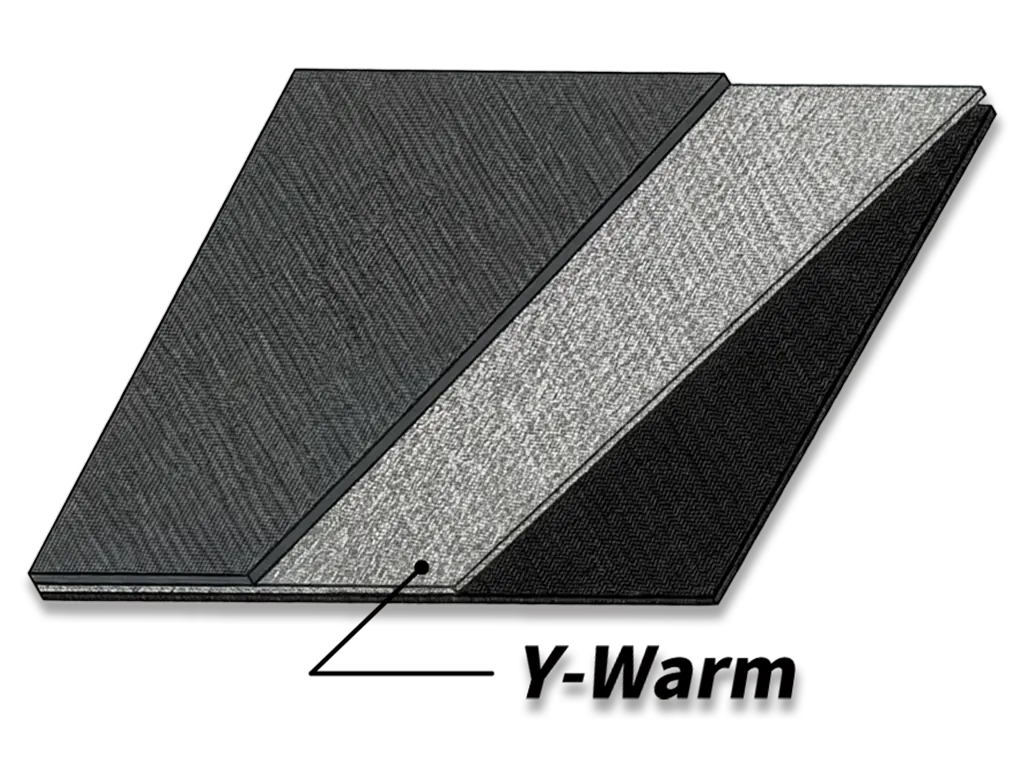
Design that puts users first ends with real benefits on trail and street. For practical solutions and tested materials that map directly into ergonomic sole assemblies, see how thoughtful insulation choices work in practice with Y-Warm. –