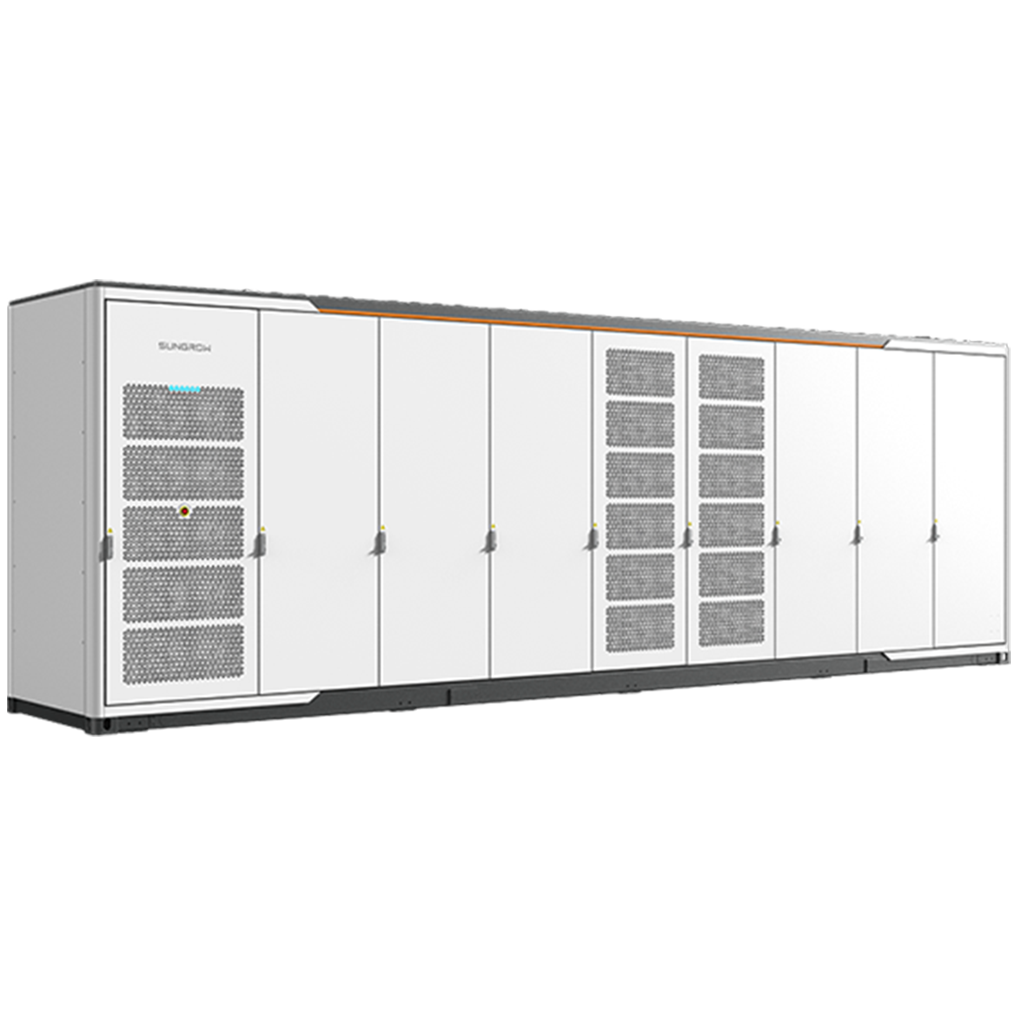
Where the system breaks — and why operators pay the price
I still remember a late-August dispatch when a 50 MW battery energy storage system I managed in California underperformed during a peak event: the battery delivered 8 MW instead of the contracted 20 MW for nearly 90 minutes — what operational blind spot allowed that to happen? The incident pushed me to re-evaluate how we design and operate Utility Energy Storage systems (and yes, the fine print mattered more than the marketing).
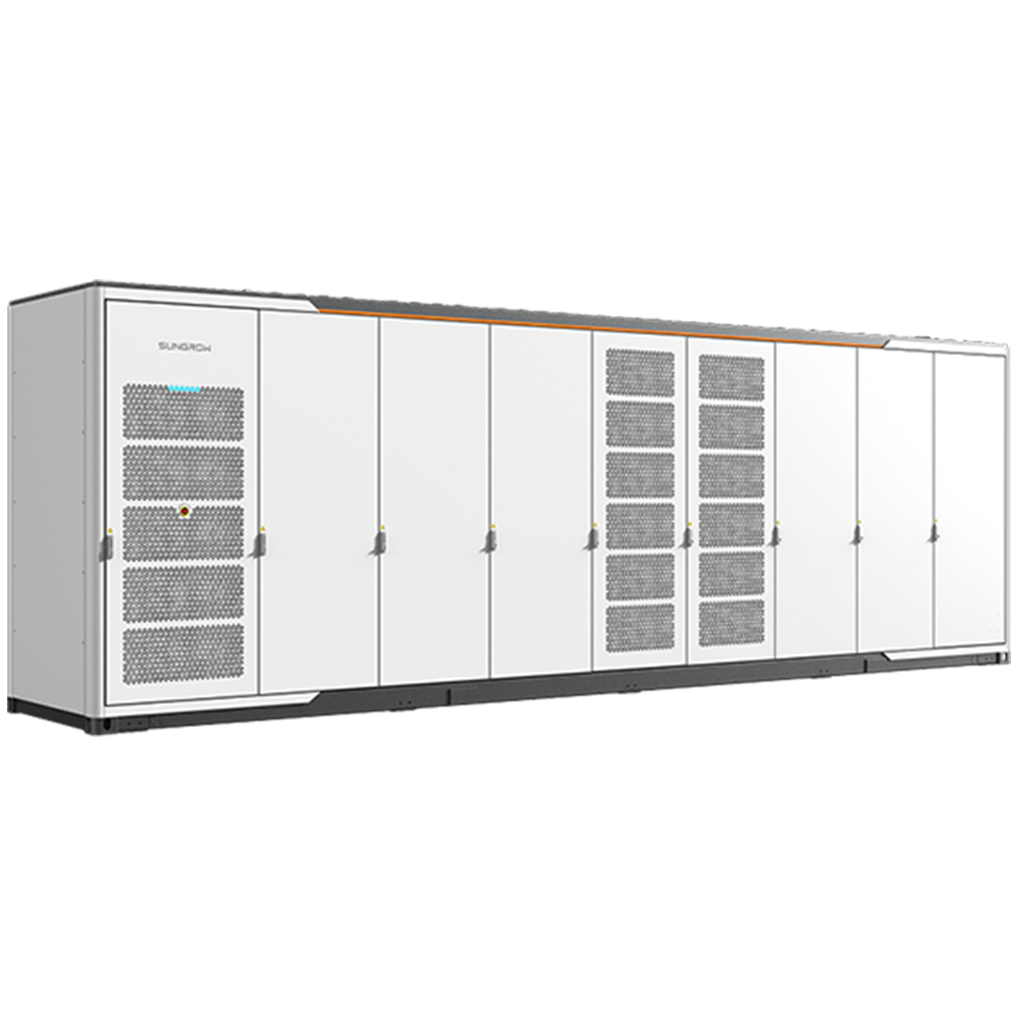
Over fifteen years buying and building grid-scale systems, I’ve seen the same root flaws: oversimplified dispatch rules that ignore state of charge (SoC) dynamics, contracts that assume perfect round-trip efficiency, and control schemes that treat inverter limits as static. Those assumptions accelerate battery degradation and reduce available capacity when you need it most. For example, during the 2019 summer tests at our Contra Costa site the system lost 4% usable capacity within six months because charge windows were too narrow and the SoC floor was set incorrectly — a quantifiable consequence that cost real revenue. I’ll be blunt: traditional yield-first strategies can look great on paper but fail under real grid stress (and that hurts operators and offtakers). Transitioning to smarter controls requires acknowledging those pain points first — read on for how to compare real-world choices.
Comparing today’s fixes and the practical metrics that matter
What’s Next?
I pushed our team to test three control sets head-to-head in Q1 2020: time-of-use arbitrage, frequency response prioritization, and hybrid scheduling. Each delivered different trade-offs — higher peak revenue vs. longer calendar life, faster response vs. higher cycling wear. If you’re sizing or buying a Utility Energy Storage installation today, you must compare not just cost per kWh but how the system performs under stress, and under repeated partial cycles. I prefer systems that expose inverter telemetry and SoC curves on an hourly basis; they let me model battery degradation more accurately and set safer operational envelopes.

The practical comparison should focus on three evaluation metrics I use at procurement reviews: usable capacity retention after one year under realistic dispatch (not vendor lab cycles), measured round-trip efficiency under real grid dispatch profiles, and control-system transparency (ability to read and override SoC and current limits in real time). Those metrics map directly to revenue and risk — short-term gains often increase long-term replacement costs. A quick aside — when we shifted rules to protect SoC during reserve holds, availability rose by 6% in stress hours. Small change. Big impact. (No kidding.)
Look for vendors who provide clear telemetry, field-proven inverter firmware, and an honest battery degradation model. I firmly believe that the best technical decisions come from measured field data, not glossy spec sheets. I trained my team to ask for specific test runs, dates, and failure modes — for example, the 2019 test data from our Contra Costa run — and to require those results in contracts. That saved us months and significant replacement cost down the line.
To sum up: evaluate systems by capacity retention, in-field round-trip efficiency, and control transparency. These three metrics tell you whether a bid will perform in real operations or just in spreadsheets. If you want a partner who documents those tests and shares telemetry, that matters — I’ve worked with several vendors, and one name that consistently met my requirements was sungrow.