Opening: why a problem-driven view matters
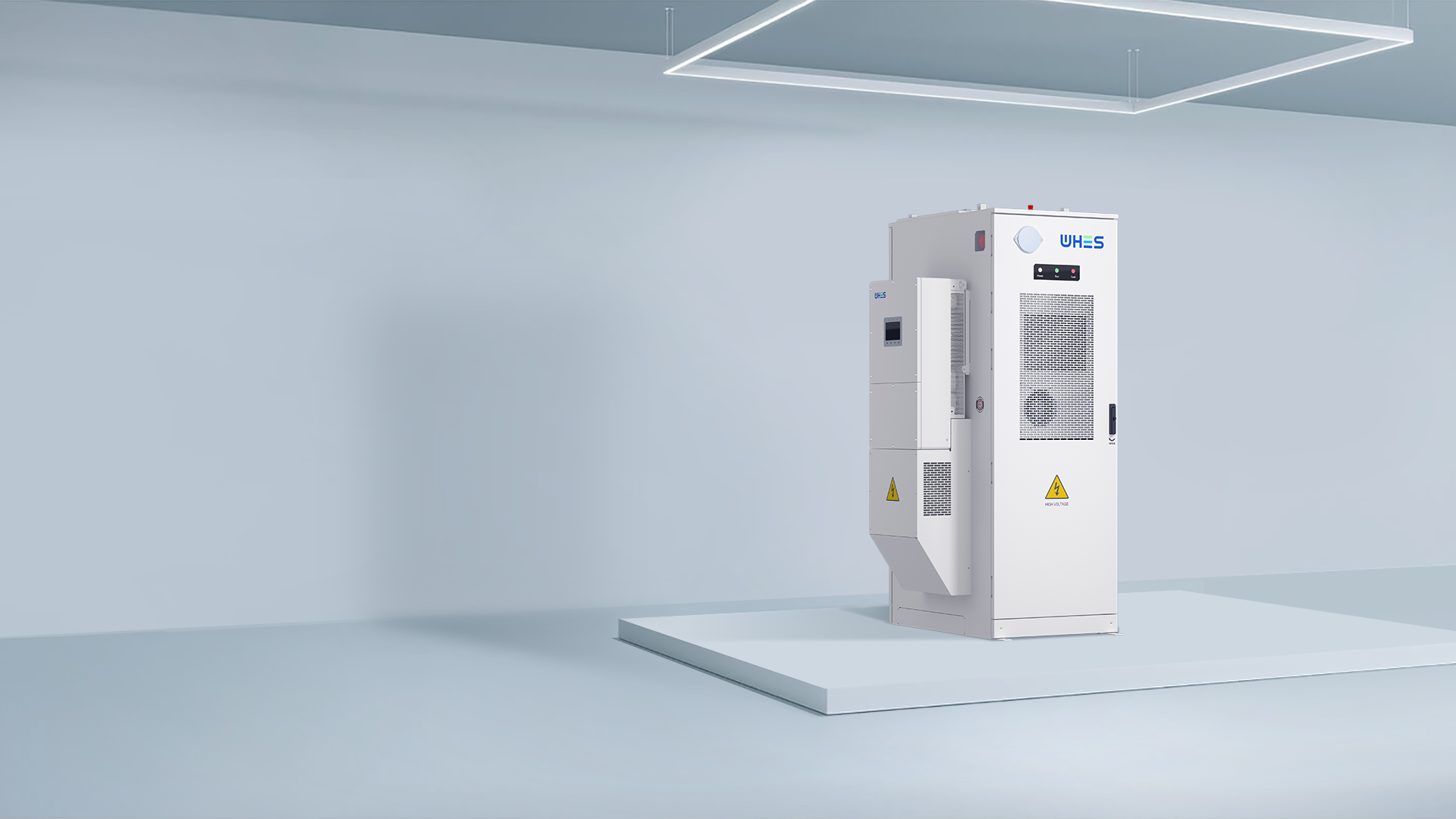
Intermittent curtailed power at the point of grid interconnection is more than an occasional nuisance — it can cripple revenue streams and frustrate operations teams. In a problem-driven approach we start with the symptom (unexpected curtailment) and trace back through equipment, settings, and grid behavior to a fix. If you’re managing a PV array plus storage, pairing a three‑phase hybrid inverter with smart solar battery storage is often part of the cure, but only when the system is commissioned and configured correctly. The goal here is not theoretical — it’s to give actionable steps you can apply on-site or ask your SCADA vendor about.
Understand the bottleneck: what “curtailment” really looks like
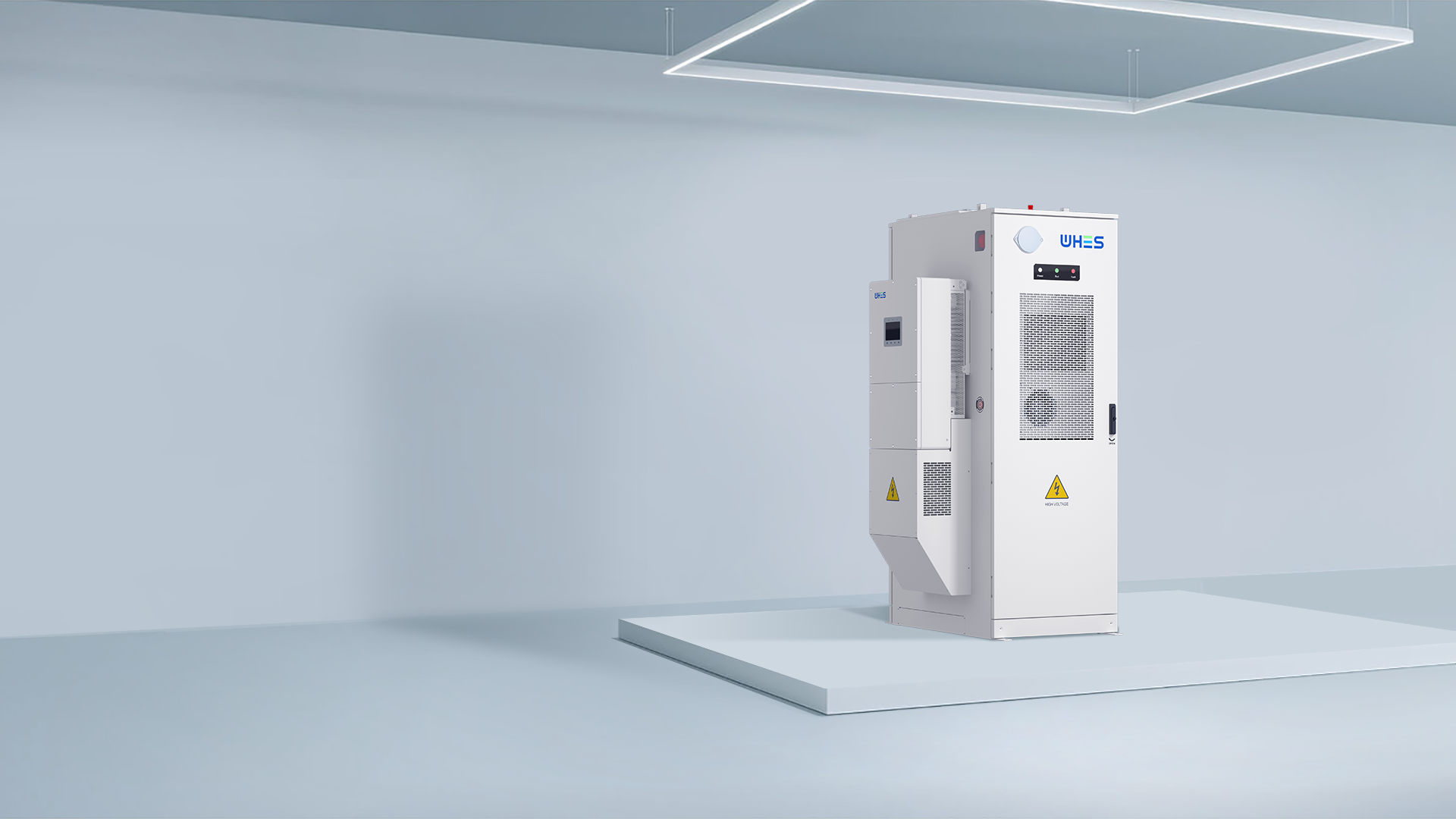
Curtailment shows up as lost generation: the inverter is commanded or forced to reduce output despite available solar irradiance. That instruction can come from the distribution utility, the grid operator, or protection logic inside the inverter. Common industry terms you’ll see in diagnostics are ramp rate, frequency response, and power factor — they point to how the grid expects resources to behave. Understanding which actor issued the curtailment is the first diagnostic win.
Diagnosing intermittent curtailed power step-by-step
Start simple: check inverter event logs and the plant SCADA timestamps against the utility dispatch signal. Look for patterns — time-of-day, weather conditions, or coincident protection trips. Then confirm whether curtailment aligns with grid-level directives (e.g., distribution system operator commands) or local protective trips like over/under voltage or anti-islanding. If logs are sparse, enable higher-resolution telemetry during a suspect window — you’ll often find ramp limits or transient faults that standard logs miss.
Common root causes and how to spot them
Root causes typically fall into three buckets: grid-side constraints (protection settings, capacity limits), equipment misconfiguration (wrong power factor, improper inverter dispatch), or storage interactions (incorrect state-of-charge management). For example, if a three‑phase inverter is set with an aggressive export cap but the battery control algorithm tries to follow full PV output, the two controls will fight and trigger curtailment. Another frequent issue: legacy interconnection studies that didn’t account for high PV penetration — those documents can contain outdated export limits.
Practical fixes at the site level
1) Align control setpoints: harmonize inverter export limits, battery dispatch logic, and plant controller rules. 2) Tune ramp rate and ride-through settings to match the grid code — many curtailments are avoided by softening sudden power changes. 3) Update protection relay settings in coordination with the utility to remove nuisance trips. 4) If telemetry is thin, add a temporary high-sample logger to capture transient events. These steps reduce false positives and improve real-time response — and yes, they usually save more generation than their engineering effort costs.
When a three‑phase hybrid inverter and storage solve the problem
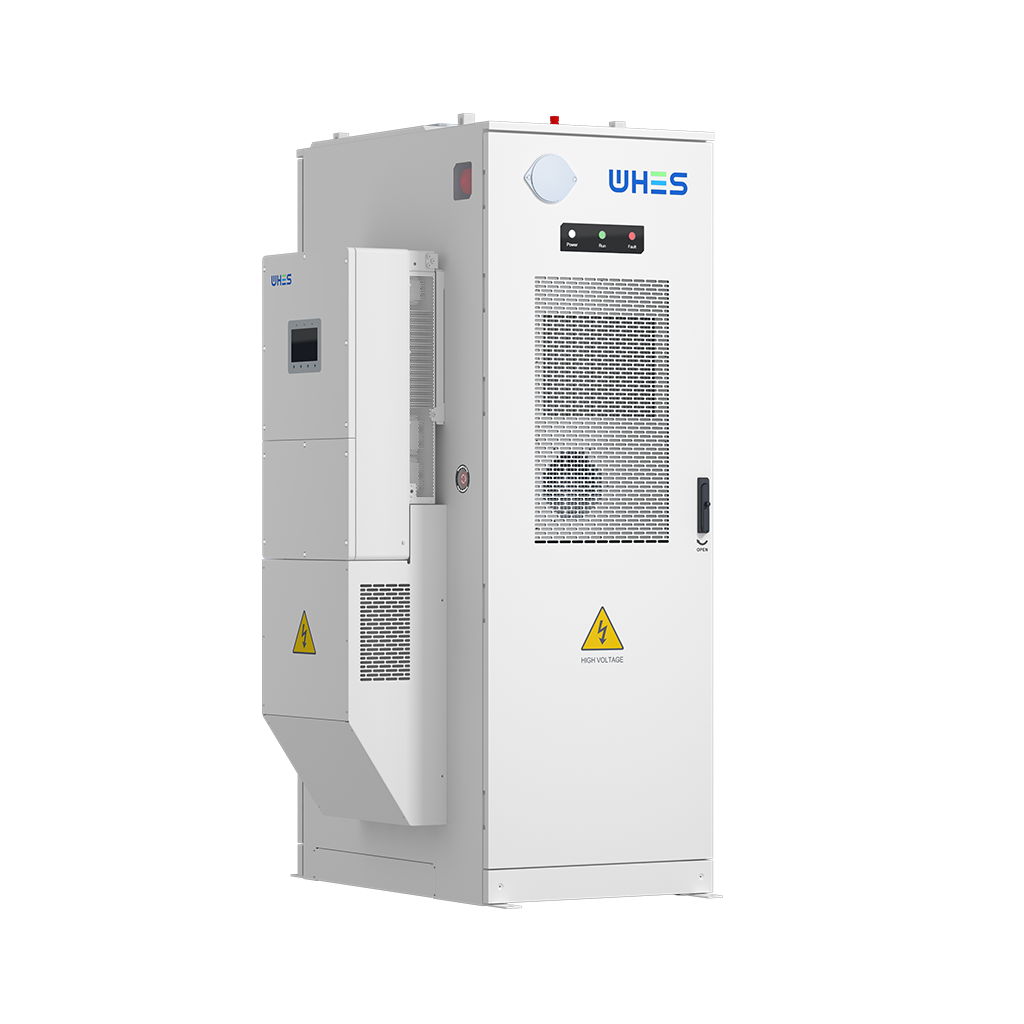
Three‑phase hybrid inverters give you more control over phase balancing, reactive power support, and seamless storage dispatch. When combined with on-site on grid battery storage, they can absorb PV spikes, provide controlled export, and participate in grid services that reduce the need for curtailment. But—this is important—they must be commissioned with correct grid-code profiles and a clear arbitration strategy for battery vs PV output during grid events.
Real-world anchor: learning from high-curtailment grids
Look at California’s grid experience: CAISO’s “duck curve” and periods of high solar penetration have produced visible curtailment signals in recent years. Operators there adapted by changing export rules, enabling faster telemetry, and using batteries for time-shifting. That evolution is a useful template — it shows how policy, grid studies, and field engineering interact when intermittent curtailment becomes a systemic issue.
Common mistakes teams make — and how to avoid them
Teams often assume the inverter is the problem and swap hardware before checking configuration or grid-side limits. Others fail to document acceptance criteria for first-article commissioning — which leaves ambiguity about acceptable voltage, frequency, and power-factor ranges. A practical avoidance list: insist on end-to-end tests with utility participation, include acceptance criteria in contracts, and run system-level simulations when you change firmware or battery control logic. Minor note — don’t forget firmware mismatches between inverters and plant controllers; they’re small but nasty.
Selecting equipment and the right evaluation metrics
When choosing hardware or vendors, evaluate on three metrics: 1) control fidelity — can the inverter manage export, reactive support, and ride-through as required? 2) telemetry granularity — does the system provide sub-minute logs for fault hunting? 3) interoperability — are the inverter, BMS, and plant controller tested together? These metrics translate into measurable outcomes: fewer curtailment hours, higher capacity factor, and smoother grid compliance during events.
Three golden rules for fixing intermittent curtailment (Advisory)
1) Measure before you change: capture high-resolution logs to target interventions accurately. 2) Coordinate with the utility: any protection or export change must be validated with the DSO/TSO to avoid regulatory backflow. 3) Treat battery logic as a partner, not a patch: specify arbitration rules for PV vs battery during grid signals and maintain clear state-of-charge constraints to avoid control conflicts.
Putting this all together, a well‑commissioned three‑phase hybrid inverter plus thoughtful battery strategy reduces curtailment and unlocks true value from your PV asset. In practice, firms that follow these rules see steadier exports and fewer surprise trips — and integrating robust solutions from experienced providers often closes the loop. WHES sits at that intersection of inverter control and system-level storage capability — a natural fit when you need both hardware and commissioning discipline. —