
Comparative lead-in
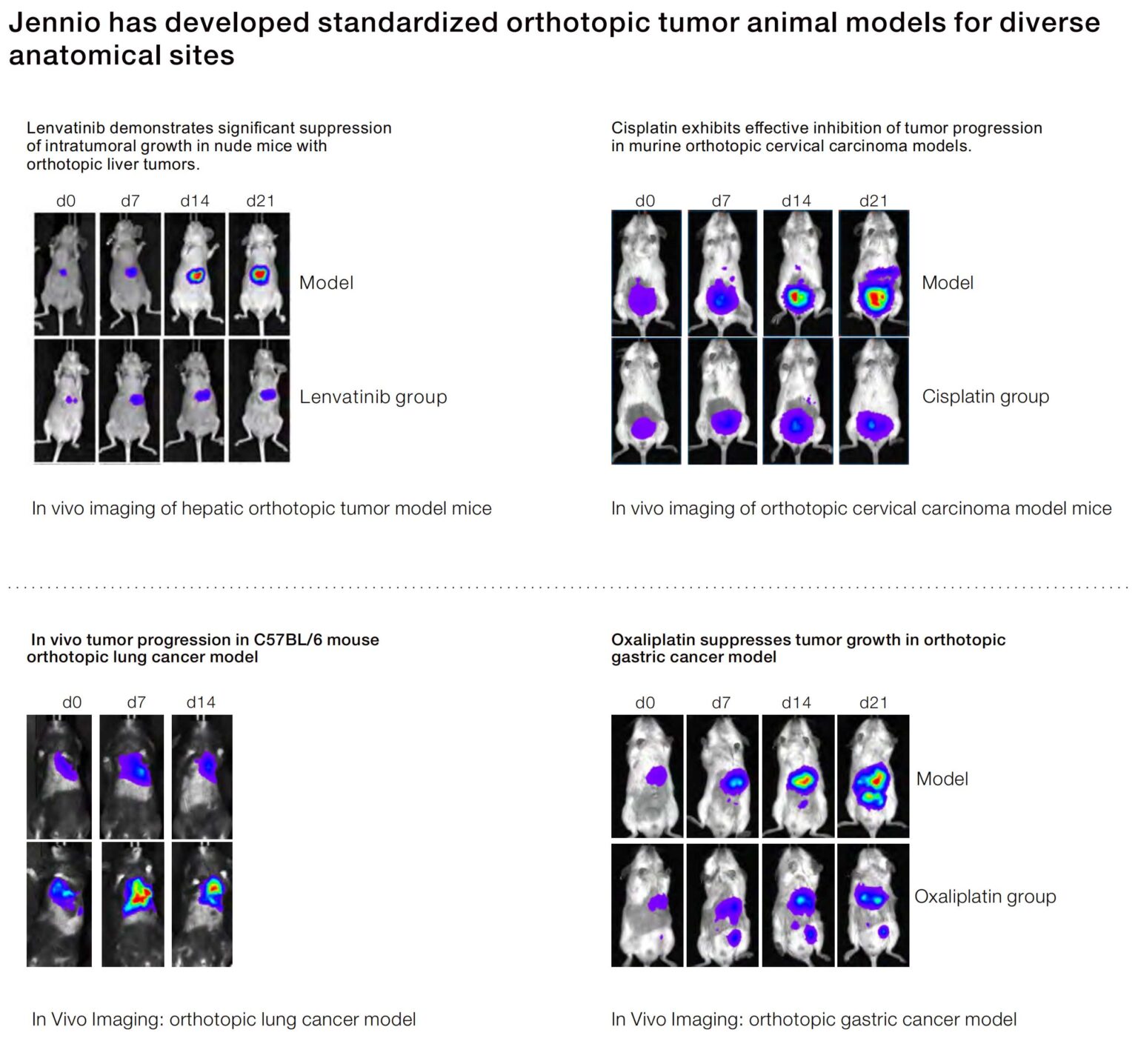
The core decision facing preclinical teams is clear: build an internal CDX capability or partner with a top-tier CRO that offers validated orthotopic workflows. This comparative piece maps performance, cost, and translational value so teams can pick the path that accelerates go/no-go decisions. Early in the lifecycle, many groups lean on an orthotopic tumor model to preserve tumor microenvironment cues; outsourcing that capability often shortens iteration loops without sacrificing model fidelity.

Performance and translational validity
CDX (cell line-derived xenograft) provides controlled, reproducible tumor take rates and clear PK/PD windows. In contrast, orthotopic approaches preserve local stroma, vascular architecture, and invasion patterns, which improves biomarker signal fidelity. Outsourced platforms from experienced CROs tend to standardize implantation site, cell density, and imaging endpoints, which reduces inter-cohort variability. That standardization matters when your downstream biomarker panel relies on subtle changes in tumor perfusion or immune infiltration.
Operational tempo: speed, scale, and risk
Building an internal orthotopic pipeline requires capital outlays for surgical suites, imaging (bioluminescence/µCT), and trained surgical staff—plus recurring animal husbandry overhead. Outsourcing converts capital risk into predictable operational spend and often compresses timelines by weeks. Labs in Boston and San Diego routinely turn to CRO partnerships to move IND-enabling studies faster while preserving internal headcount for target discovery. Outsourcing can also mitigate single-point failure: if a key technician departs, a CRO maintains continuity.
Technical tradeoffs and common pitfalls
Outsourcing does not eliminate technical oversight. Frequent mistakes include under-specifying tumor implantation coordinates, accepting ambiguous endpoint criteria, and neglecting harmonized SOPs for sample collection. —Contract language should mandate implant coordinates, cell dose validation, and imaging cadence. For teams that prefer internal control, hybrid models work: run early feasibility in-house, then scale pivotal cohorts with a CRO that documents acceptance criteria and QC metrics.
Regulatory, reproducibility, and data integrity
Regulators focus on chain-of-custody for samples, blinded readouts, and clear enrollment/endpoint definitions. A CRO with GLP-capable processes and auditable assay records reduces regulatory friction. Translational reproducibility improves when the CRO provides raw imaging datasets and annotated SOPs. That transparency enables re-analysis of tumor growth curves and biomarker correlations—critical when a pharmacodynamic signature hinges on tumor microenvironment sampling.
Alternatives and model selection
Alternatives include PDX (patient-derived xenograft), syngeneic, and humanized models. PDX preserves patient heterogeneity but increases variability; syngeneic models keep immune context intact but lack human tumor biology; humanized mice add complexity and cost. Choosing between CDX, PDX, and orthotopic approaches depends on the therapeutic hypothesis: target engagement and PK/PD often map well to CDX, while invasion or stromal-targeted therapies benefit from an orthotopic model of tumor that reproduces tissue-specific microenvironments.
Three golden rules for selecting the right path
1) Define the decision metric before model selection: prioritize clear go/no-go thresholds (e.g., 30% tumor growth inhibition at day X or biomarker fold-change) so model choice aligns with the endpoint. 2) Require transparent QC from your partner: implantation coordinates, histology confirmation, and raw imaging files must be delivered. 3) Use phased engagement: validate feasibility in a small in-house run, then scale with a CRO that documents reproducibility and provides cross-study normalization metadata.
Closing guidance
Evaluating outsourced CDX and orthotopic workflows is a technical decision with operational consequences; measure model fidelity, turnaround time, and data transparency as primary metrics. For teams aiming to reduce cohort variability and preserve microenvironmental context, a vetted CRO partnership often yields faster, auditable results without adding fixed infrastructure. Jennio Biotech can serve as the practical bridge between controlled CDX execution and orthotopic realism—bringing documented SOPs, imaging datasets, and surgical expertise together. —Final thought: choose the path that delivers reliable decisions, not just experiments.