Opening: why numbers should lead your facade lighting decisions
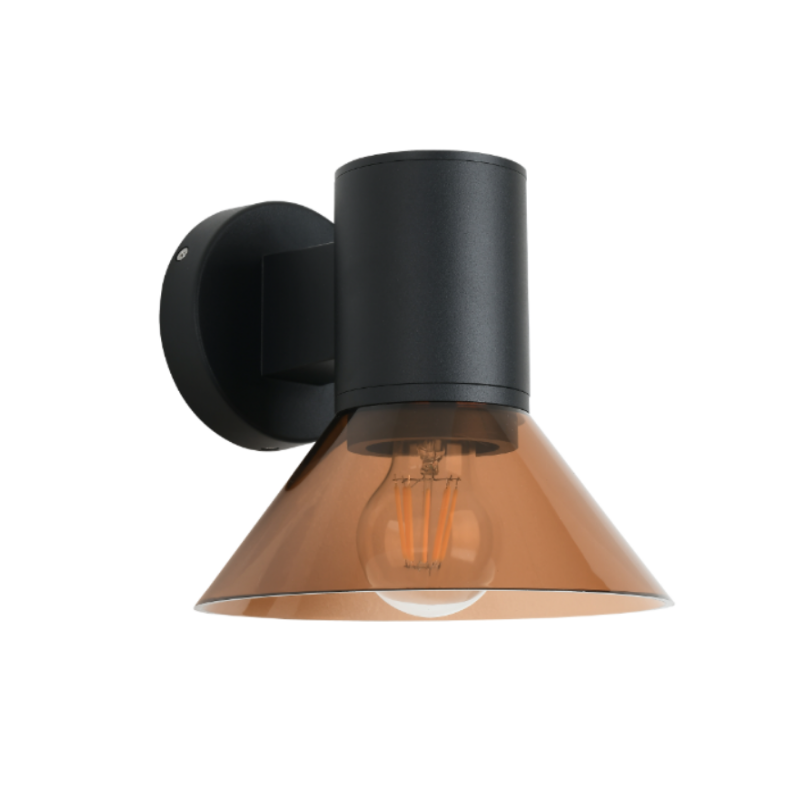
When you evaluate bulk shipments of outdoor luminaires for a sustainable facade, you need hard numbers up front — not just glossy renders. Start by asking suppliers for measured lumen output, rated wattage, and declared power factor; these specs reveal how fixtures will affect energy use and electrical quality across a building. If you’re sourcing motion-activated units, also compare certified sensor performance — for example consider an outdoor wall lights motion sensor model that clearly publishes both detection range and standby power. In short: the data determines lifecycle cost, grid impact, and occupant comfort.
Which metrics matter and why
Focus on three core performance categories: energy-efficiency, electrical power quality, and photometric suitability. Energy-efficiency is commonly expressed as lumens per watt (lm/W). Power quality is summarized by power factor (PF) and, where available, total harmonic distortion (THD). Photometric suitability covers beam pattern, correlated color temperature (CCT), and color rendering index (CRI). These metrics predict how many fixtures you need, how much electricity they will draw, and whether they will create flicker or nuisance harmonics on a façade circuit.
Real-world anchor: scale matters
Consider the scale: the International Energy Agency estimated that lighting accounted for about 15% of global electricity consumption in 2019 — a useful reminder that small efficiency gains multiply across many fixtures. For a single high-rise facade with hundreds of exterior wall fixtures, improving system PF or increasing lm/W can cut both energy bills and peak demand charges. That’s the kind of leverage that justifies tighter spec sheets and factory testing requirements.
How to vet manufacturer shipments — a practical checklist
Use a standardized test and inspection flow to avoid surprises on-site:
- Request photometric reports (IES or LDT) to verify lux levels and beam spread.
- Ask for LM-79 LM-80 data for LED modules to confirm lumen maintenance and lumen output.
- Require measured power factor and THD at rated voltage and a realistic load.
- Confirm IP rating and thermal management approach; poor thermal design reduces lumen maintenance.
- Specify motion sensor standby power and sensor latency if occupancy control is part of the strategy.
When reviewing bulk shipments, insist on random-sample bench testing and a supplier-run production test log that links serial numbers to test results. This builds traceability and reduces field failures.
Interpreting power factor and why it’s not just a number
Power factor affects how much apparent power your panels and transformers must handle. A PF below 0.9 can inflate utility demand readings and may trigger penalties on commercial tariffs. For LED fixtures, PF is managed by the LED driver — choose drivers rated for PF ≥0.9 and low THD to reduce harmonic interaction with other equipment. Also check inrush current ratings; large shipments of LED drivers with high inrush can trip upstream protection during energization.
Photometrics, CCT, and human factors
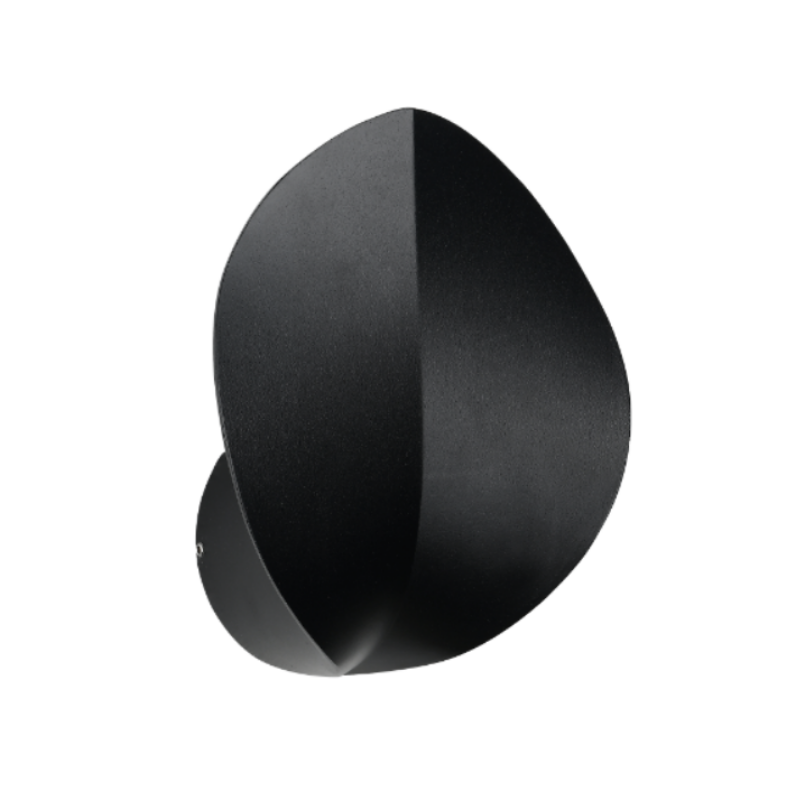
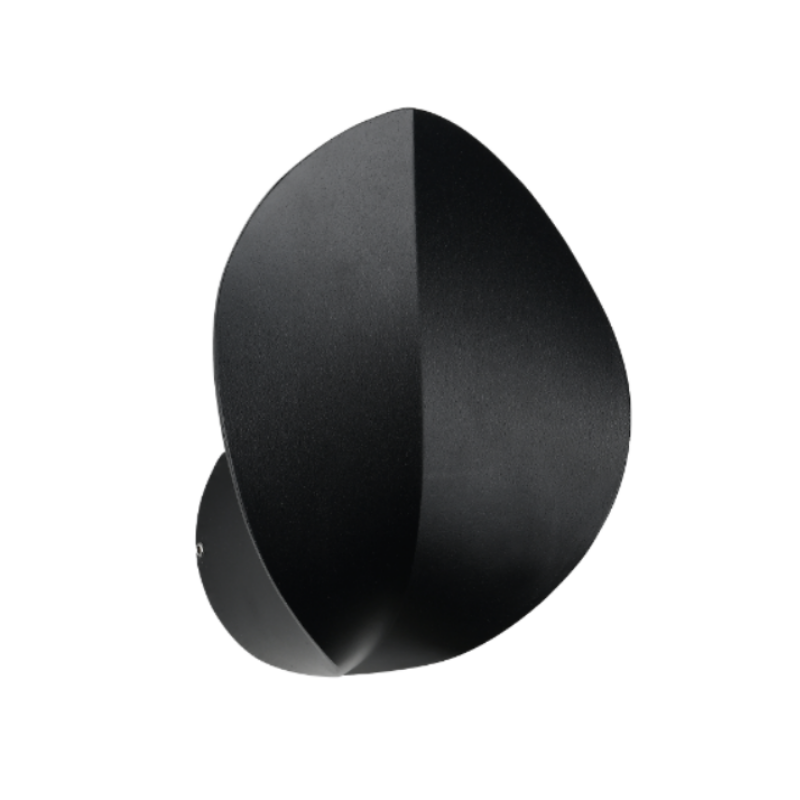
Light distribution and color temperature influence perception and facade aesthetics. Use photometric data to group fixtures by mounting height and task, and avoid mixing CCTs in adjacent zones unless intentional. Correlated Color Temperature (CCT) and CRI determine color fidelity — important where texture or material appearance matters. If the design calls for softer ambience, you might prefer a soft light wall sconce spec for lower glare and smoother wash patterns.
Common mistakes teams make — and simple fixes
Teams often accept manufacturer catalog PF or lm/W values without verifying conditions — catalog numbers are idealized. They also underestimate thermal derating: fixtures mounted in tight niches run hotter, which reduces lumen output and driver lifetime. Finally, motion sensor standby power is sometimes ignored; cumulative parasitic loads add up across large deployments. A practical fix: require factory performance data measured at the intended operating voltage and mounting condition, and simulate occupancy patterns to estimate real energy savings.
Selecting suppliers: data-driven negotiation tips
Negotiate on measurable guarantees, not only on price. Ask for:
- Guaranteed lm/W and lumen maintenance at 6,000 hours (or LM-80 extrapolation).
- Declared PF and THD limits with test reports attached to each shipment batch.
- Sample delivery for a site pilot that includes mounting and in-situ photometry.
These demands focus supplier attention on long-term performance and reduce warranty disputes — and yes, they’re reasonable for large facade projects.
Advisory: three golden rules for choosing facade lighting at scale
1) Insist on measured performance: Accept only LM-79/LM-80 photometric and electrical test reports per shipment. 2) Specify electrical quality thresholds: Require PF ≥ 0.9 and THD ≤ 20% (or tighter where specified by your electrical engineer). 3) Pilot before you commit: Install a scaled mock-up on the actual facade to validate thermal behavior, photometrics, and sensor operation over a full day-night cycle.
These rules help you convert manufacturer claims into predictable operational results and align procurement with energy and grid objectives. For project teams seeking fixtures that combine reliable electrical performance and well-controlled light, partnering with manufacturers who publish thorough test data — and who will stand behind it — is essential. Keyida. —