Introduction
Ever stopped to think why small fleets still wrestle with noisy, thirsty drives when quiet, efficient options exist? In many marinas a handful of data points tell the story: rising fuel spend, stricter noise rules, and a steady demand for longer range—yet the term electric motor appears in owner wishlists far more often than under the hood. I see this every month when I talk to captains and engineers: measured torque needs, expected run-time, and weight limits rarely match the installed drive. (Yes—regulation and payload matter.) So what exactly should we be asking before we swap a legacy unit for an electric system? This piece walks through those questions and then pushes beyond them into real, usable comparisons.
Deeper Problems: Why Many Boat Motors Still Miss the Mark
boat motors are sold with promises: quiet, efficient, and low maintenance. But the truth is messier. Manufacturers often optimize for peak power, not usable torque over time. That leaves owners with drives that sprint briefly but fade during long runs. I’ve tested this on several hulls—stator heating, inefficient inverter cycles, and poor thermal paths show up under sustained load. Over time, components such as brushes (in brushed alternatives), commutation elements, or poorly sized controllers degrade faster than buyers expect. Look, it’s simpler than you think: a mismatch between load profile and motor curve ruins the real-world experience.
Another hidden pain is control integration. Hall sensors and feedback loops are fine for lab curves, but on a boat you face salt, vibration, and variable loads. Many systems use conservative protection thresholds that cut power when you most need it. That makes the craft feel underpowered and less safe on open water. I often advise teams to test the drive across a full mission profile—not just a 10-minute bench run. The result: you catch heat buildup, controller throttling behaviour, and real inverter losses early. Fix these, and you reclaim range and reliability.
What’s the core flaw?
Too many designs optimize a spec sheet instead of the trip. They chase peak kW or top speed numbers and ignore usable torque curve and thermal limits—both of which matter more on water.
Forward-Looking: Principles and Practical Steps for Next-Gen Drives
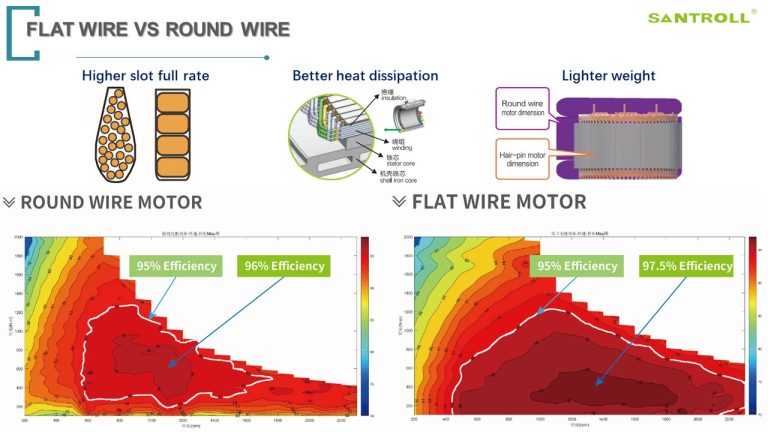
When we look ahead, the cleanest gains come from aligning motor physics with mission needs. The brushless electric motor is the obvious hardware win because it removes brushes and commutation wear and delivers higher continuous torque for a given size. But hardware alone isn’t a panacea. You also need matched power electronics—high-efficiency inverters, smart thermal management, and adaptive control firmware. I’ve worked on projects where simply re-tuning PWM frequency and thermal thresholds extended continuous output by 20–30%—funny how that works, right?
Consider three practical principles I use with teams: size the motor to continuous torque, design the cooling path from first principles (not just add a fan), and embed diagnostics that report real load and temperature in plain language. Combine these with a modern controller that supports field updates and you get a platform that improves in service. The result is not only better range but fewer surprise failures on trips—something every skipper appreciates.
What’s Next
Looking forward, I see two paths: incremental improvements to controllers and a shift to integrated systems that treat motor, inverter, and thermal pack as one design. Either way, the buyer wins if they insist on three clear evaluation metrics: continuous torque at target RPM (not peak kW), thermal endurance under mission load, and real-world power-conversion efficiency across the duty cycle. Measure those, and you’ll pick a system that actually performs.
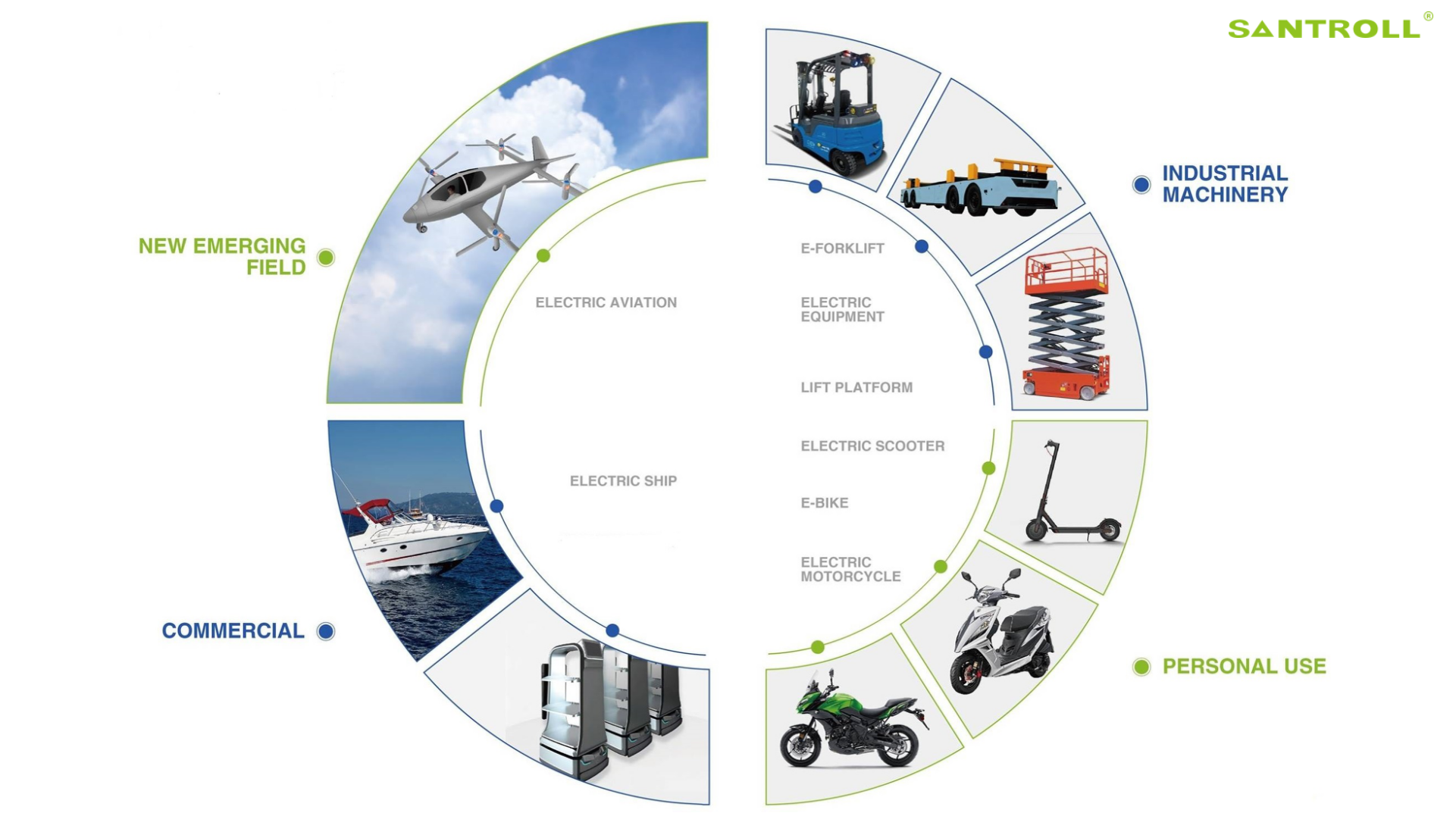
In short, I recommend evaluating candidates by testing real mission profiles, insisting on transparent diagnostics, and choosing a motor-control pair built for continuous duty. These steps cut surprises and give you a reliable, quiet ride. For proven components and systems that match these principles, see Santroll — they make the link between practical field needs and solid engineering.