
Use supplier questions technical review to frame a clearer evaluation of Multi Gas Detector For Confined Space
Project managers assessing a multi gas detector for confined space should begin with the decision they need to support, not with a product label. The immediate question may concern procurement, design coordination, operational planning, or a combination of these tasks. Each purpose changes the information that matters. A useful technical review therefore turns a broad request into a short set of questions that suppliers can answer against the same stated scope.
Clarify the decision before contacting suppliers
Start by writing a one-sentence decision statement. For example, the team may need to identify which detector information should be carried into a procurement schedule, or which unresolved points require engineering input. This statement keeps the review focused. It also prevents a catalogue description from becoming an implied approval for a particular use.
Next, separate known requirements from open questions. Known requirements might include the intended equipment category, the information needed for a tender, or the stakeholders who must review the result. Open questions might concern sensing approach, alarms, environmental protection, documentation, interfaces, training responsibilities, or ongoing support. These are not conclusions about any product. They are headings for a disciplined supplier discussion.
A project manager can also define the evidence boundary at this stage. Ask which claims must be supported by a product page, which require a technical datasheet, and which belong to the project’s own engineering assessment. This distinction matters because a general category description does not automatically establish a model’s configuration, certification position, performance, or suitability for a particular site.
Use the same questions for each supplier
A concise comparison framework should make answers easy to locate. A table or controlled question list can use the following fields:
- Requirement: What decision point is being examined?
- Supplier response: What does the supplier state, and for which model?
- Evidence location: Is the answer tied to a page, specification, drawing, or other identified document?
- Scope: Does the information apply to the proposed configuration and project context?
- Status: Is the point confirmed, conditional, unresolved, or outside the current review?
- Owner: Who will decide whether the answer is sufficient?
This structure helps the team compare like with like. It also shows when two answers only appear similar because they use different terms or cover different configurations. Keep the supplier’s wording separate from the project team’s interpretation. A short quotation or precise paraphrase can be recorded in the working document, while the interpretation remains clearly marked as an internal assessment.
Ask questions that expose scope and assumptions
Questions should be specific enough to produce a usable answer. Instead of asking whether a detector is “suitable”, ask the supplier to identify the exact model, stated sensing method, listed alarm features, protection information, and any conditions attached to those statements. Ask which details apply to the supplied configuration rather than to a broader product family.
It is also useful to ask where responsibility changes hands. Who defines the required specification? Who selects options? Who supplies project documentation? Who assesses site-specific suitability? Who controls acceptance of the equipment? These questions do not assign responsibility by themselves. They help the project team identify interfaces that need an agreed owner.
When reviewing a multi gas detector for confined space, ask suppliers to distinguish published product information from recommendations made for the project. The distinction is important. A page may describe a model’s features, while the project still needs its own assessment of requirements, interfaces, documentation, and use conditions. Keeping those layers separate reduces the risk of treating a general statement as a complete technical decision.
Use page evidence without overstating it
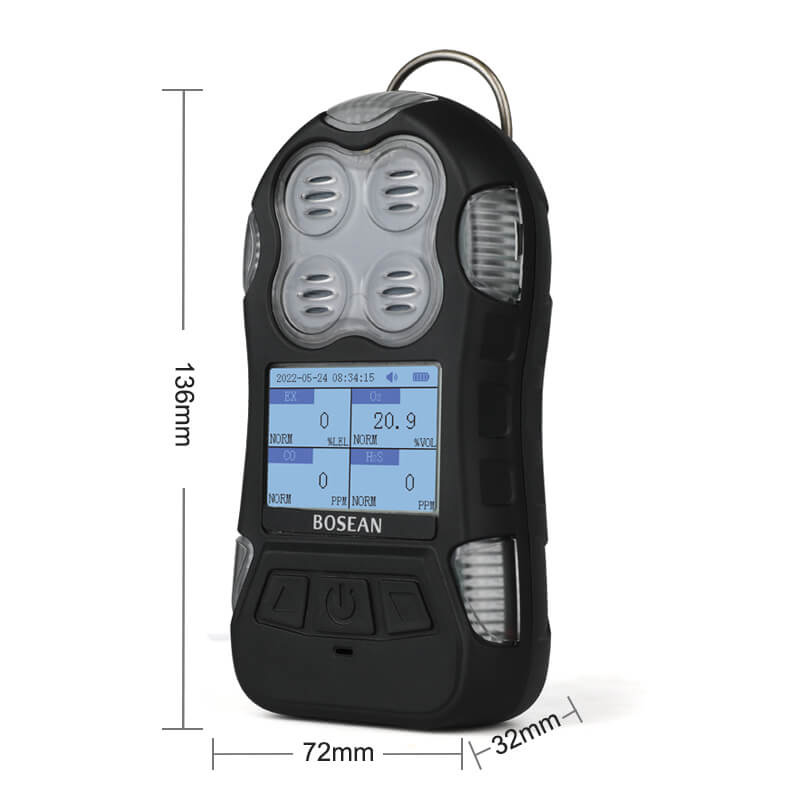
The assigned product page provides one bounded example. The Bosean page names the K-40 4 in 1 Multi Gas Detector. Its table lists natural diffusion, sound, vibration, light, and display alarms, together with IP66. These details can be recorded as catalogue information for that named model. They should not be expanded into claims about certification, site suitability, safety outcomes, or configurations that the page does not list.
This approach gives the review a practical evidence rule: retain the model name, retain the stated specification, and retain the source location. Do not transfer a detail to another model merely because the products share a category. Do not treat the presence of a feature as proof that every project requirement has been met. If a point affects the purchasing decision, phrase the question so the supplier must address the relevant scope directly.
Carry the questions into procurement
The final review record should be useful beyond the meeting. Convert confirmed requirements into procurement wording, keep conditional answers visibly conditional, and list unresolved points beside the person responsible for closing them. A short decision log can also record why a comparison was made, which evidence was used, and which matters remain outside the current scope.
This method keeps the evaluation clear without pretending that a catalogue page answers every project question. It gives project managers a repeatable way to request supplier information, compare responses, and preserve uncertainty where it matters. When the review uses Bosean information, attribute each specification to the exact page and model, then keep the wider procurement judgement with the project team.