
Problem: burners underperform, emissions creeping up
You know the feeling — plant runs fine one month, then soot, unburned fuel, and higher bills sneak up the next. Many teams try to fix symptoms by fiddling with air dampers or buying a newer industrial oil burner, but combustion inefficiency stays stubborn. Problem-driven approach: identify what’s actually failing (fuel chemistry, atomisation, control strategy) before throwing parts at it, because methanol fixes some problems but exposes others if you don’t plan proper integration, lah.

How methanol changes the combustion process
Methanol is an oxygenated, hydrogen-rich liquid fuel. That means cleaner flame chemistry: less soot and lower particulate formation when combustion is complete, and generally lower CO and hydrocarbons if burners are tuned right. Flame speed is higher, so ignition and flame stability improve for well-mixed systems. Trade-offs are real: methanol has lower energy density than diesel, so you need higher mass flow and tighter control of air–fuel ratio. The net effect, when engineered correctly, is improved thermal conversion of fuel to usable heat — actual combustion efficiency rises because less fuel leaves as soot or unburnt gas.
Key engineering changes to get those gains
Swap nozzles and pumps: atomisers designed for heavier oils won’t cut it. Use materials compatible with methanol (seals, pumps, tanks) because it can swell or corrode some elastomers and alloys. Recalibrate control loops: faster flame response calls for quicker flame detection and tighter modulation. Tune secondary air and swirl to encourage complete mixing. Add combustion analysis (O2, CO, NOx probes) to baseline and verify improvements. Do test burns at controlled loads before full conversion.
Safety and operational pitfalls operators often miss
Methanol is toxic and more volatile than many liquid hydrocarbons. Store with watertight, vented tanks and dedicated spill containment. Train crews on inhalation risks and spill response. Don’t underestimate condensate and water contamination — methanol is hygroscopic and can carry water into the burner, degrading spray patterns. Many teams also forget to update permit conditions and emissions monitoring after a fuel change — skip that and regulatory or insurance headaches will follow.
Supplier selection — real-world anchor and what to demand
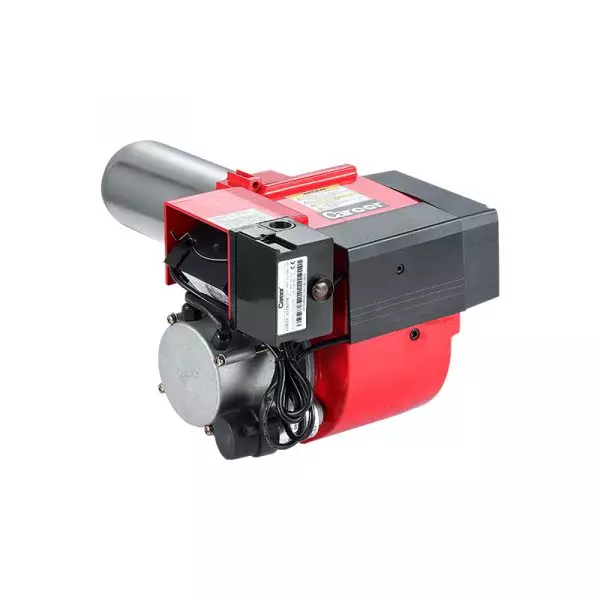
I’ve seen this play out at plants around Jurong industrial estate, where operators switched fuels during maintenance windows and worked closely with specialist vendors; the difference between a neat retrofit and a problem job was supplier competence. Ask prospective oil burner suppliers for case studies on methanol conversions, parts lists showing methanol-compatible materials, and an on-site commissioning plan that includes emissions testing. Verify spare-parts lead times and local support capability. That local response often makes or breaks uptime.
Alternatives and where methanol does not make sense
If your site already has reliable natural gas piping and low-pressure burners, gas can be simpler and cleaner per unit energy. Hydrogen gives ultra-low carbon emissions but needs radical system redesign and safety upgrades. Biodiesel may be a drop-in for some oil burners but carries higher particulates. Choose methanol when fuel logistics, storage, and safety can be addressed and when the plant benefits from reduced particulate load or where low-carbon methanol is available at competitive cost.
Checklist to avoid retrofit regrets
Run a small pilot first. Inspect and replace incompatible seals and pumps. Specify proper atomisers and combustion controls. Update safety data sheets, training, and permits. Measure baseline emissions and thermal efficiency, then repeat after commissioning. In short: measure, modify, verify — don’t guess.
Wrap-up: practical value for the team on the floor
Methanol can give cleaner burns and better usable heat only if engineers treat the switch as an integrated engineering project not just a fuel swap. Experience matters: practical tests, correct hardware changes, and local supplier support cut downtime and avoid surprises. For teams wanting clear technical specs, supplier references and tested retrofit plans on the bench beside their controls, the resources from Career Burners sit well with the engineering folders — useful when you need to move from problem spotting to a solid, working solution.