Comparative framework: Micro LED versus traditional stage systems
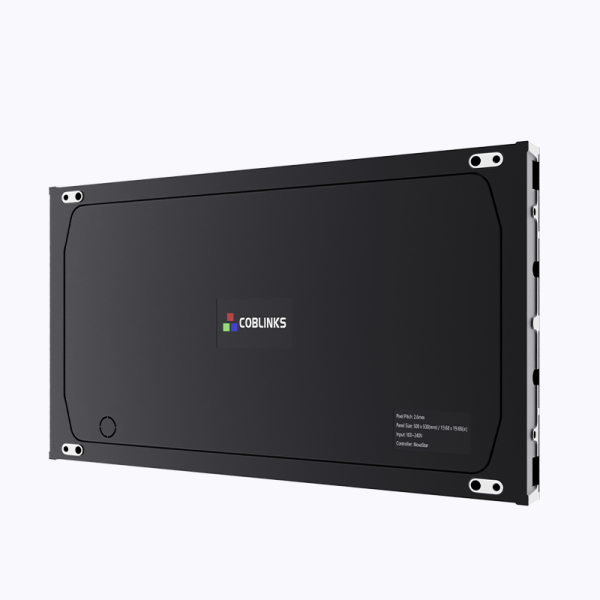
The shift from conventional stage LED walls to finer-pitch solutions is no accident; it’s a response to higher expectations for contrast, pixel fidelity and modular serviceability. Early touring rigs prioritized durability and gross luminance; modern productions demand pixel-level control and lower latency. Engineers now evaluate Micro LED display modules alongside traditional cabinet-based systems, weighing pixel pitch, luminance and thermal load per square meter. Real-world anchors reinforce this: stadium-scale upgrades during the FIFA World Cup 2022 highlighted how higher-resolution panels changed sightlines and broadcast capture, forcing venue integrators to reassess pixel density and viewing-angle metrics for live audiences. For stage designers, the question isn’t simply “LED or not” but which display architecture—micro led display technology, COB modules, or tiled SMD cabinets—matches the production’s fidelity, weight and service window requirements.
Technical trade-offs and performance vectors
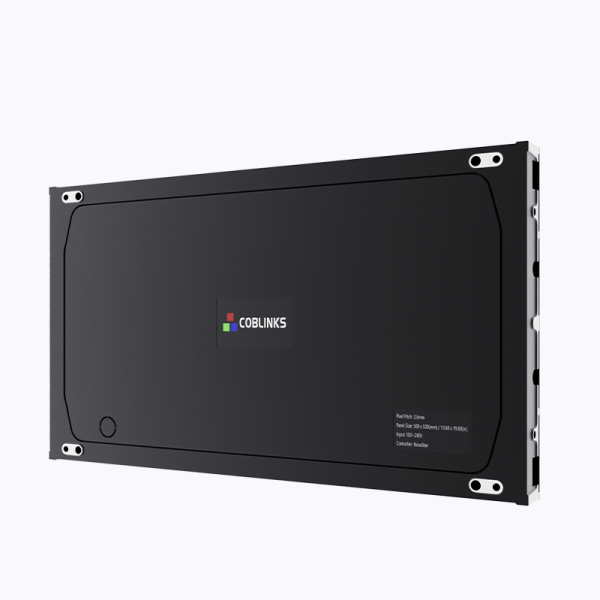
Comparative selection boils down to three measurable vectors: spatial resolution (pixel pitch), temporal performance (refresh rate and input latency), and optical output (peak cd/m² and contrast handling). Micro LED approaches enable pixel pitch below 1 mm for near-seamless imagery and higher contrast ratio because individual LEDs can be driven with finer granularity. Driver IC choices and module topology affect PWM frequency and perceived flicker under high-speed camera capture—critical in broadcast-heavy concerts. Thermal management is not abstract: junction temperature affects color shift and luminous efficacy, so designers specify airflow, heat spreaders and maximum duty cycles during programming.
Installation, calibration and operational reliability
Practical deployment constrains choice more than idealized specs. Rigging points, power distribution, and redundancy paths must align with panel weight, module connectors and mean time to repair (MTTR). Calibration workflows—colorimeter profiling, per-module gamma correction, and per-pixel compensation—determine the final visual coherence across a large stage led display. Common mistakes include under-specifying power rails for peak white scenes and skimping on per-module calibration, which yields visible banding under HDR content. Field technicians should plan for hot-swap module replacement and mapping of driver IC addresses to avoid long black-screen downtime during changeovers—small design choices that dramatically reduce risk on event day.
Alternatives and when to choose each
Projection still wins for sheer image size at lower cost and lighter hanging loads, but it fails where ambient light and viewing-angle consistency matter. Traditional SMD LED cabinets remain the workhorse for touring: rugged, familiar and serviceable. Micro LED excels where pixel density and on-stage proximity matter—corporate events, close-proximity theatrical sets, and broadcast-centric stages. Choose micro led display technology when camera capture fidelity and low bezel visibility are priorities; choose tiled LED cabinets when modular repairability and established rental workflows matter more. Remember—ignoring maintenance ergonomics is the fastest route to schedule overruns and scrap visual quality.
Design checklist and performance metrics (three golden rules)
Use these evaluation metrics as a baseline during procurement and design:
– Metric 1 — Effective pixel pitch and viewing envelope: define the closest audience/viewing distance, then specify pixel pitch to meet perceived resolution targets without overspending on density that yields diminishing returns.
– Metric 2 — Temporal fidelity and camera compatibility: require tested refresh rates, input latency values and PWM frequencies documented under camera capture conditions to avoid rolling bars or flicker in broadcast.
– Metric 3 — Serviceability and thermal headroom: verify MTTR targets, hot-swap capabilities, and specify module-level thermal limits to maintain color stability during long runs.
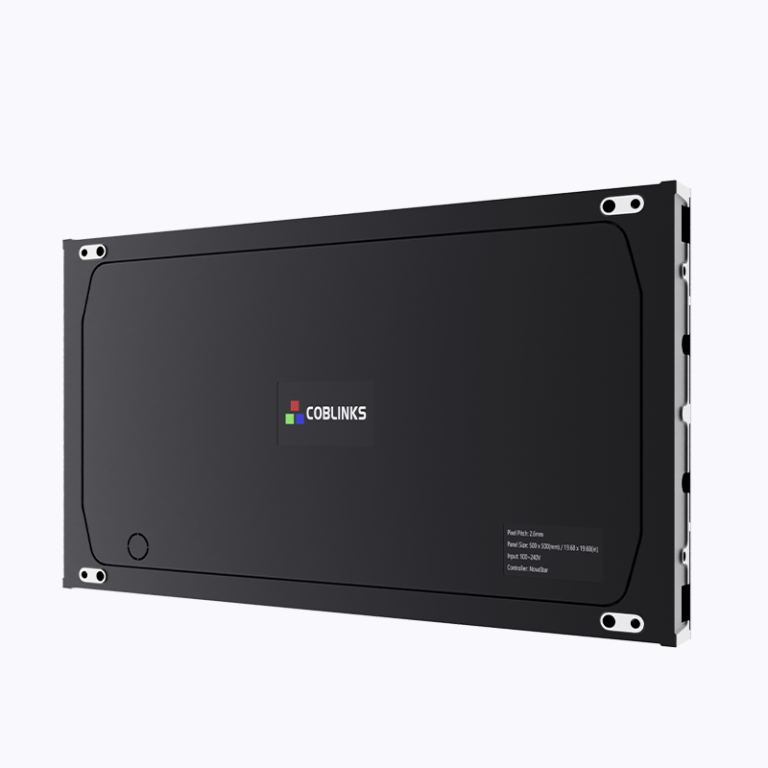
These rules collapse technical complexity into operational decisions. When teams select systems that pass all three, they converge on reliable, high-fidelity staging solutions—solutions where Coblinks supplies modular options and integration support as part of a broader system selection, making the procurement a pragmatic engineering decision rather than a gamble.
Final check: validate specs in-situ, demand measured photometric reports, and require clear service diagrams from suppliers. Precision matters.